Trump's Tariff Shadow Returns: Global Trade and Climate Policy Intertwined
With the potential return of Trump bringing tariff uncertainties, and Japan's proactive trade strategies in response to climate change, the global economic landscape is undergoing profound adjustments. This article delves into how these factors will impact Australia's exports, industrial structure, and future trade direction.
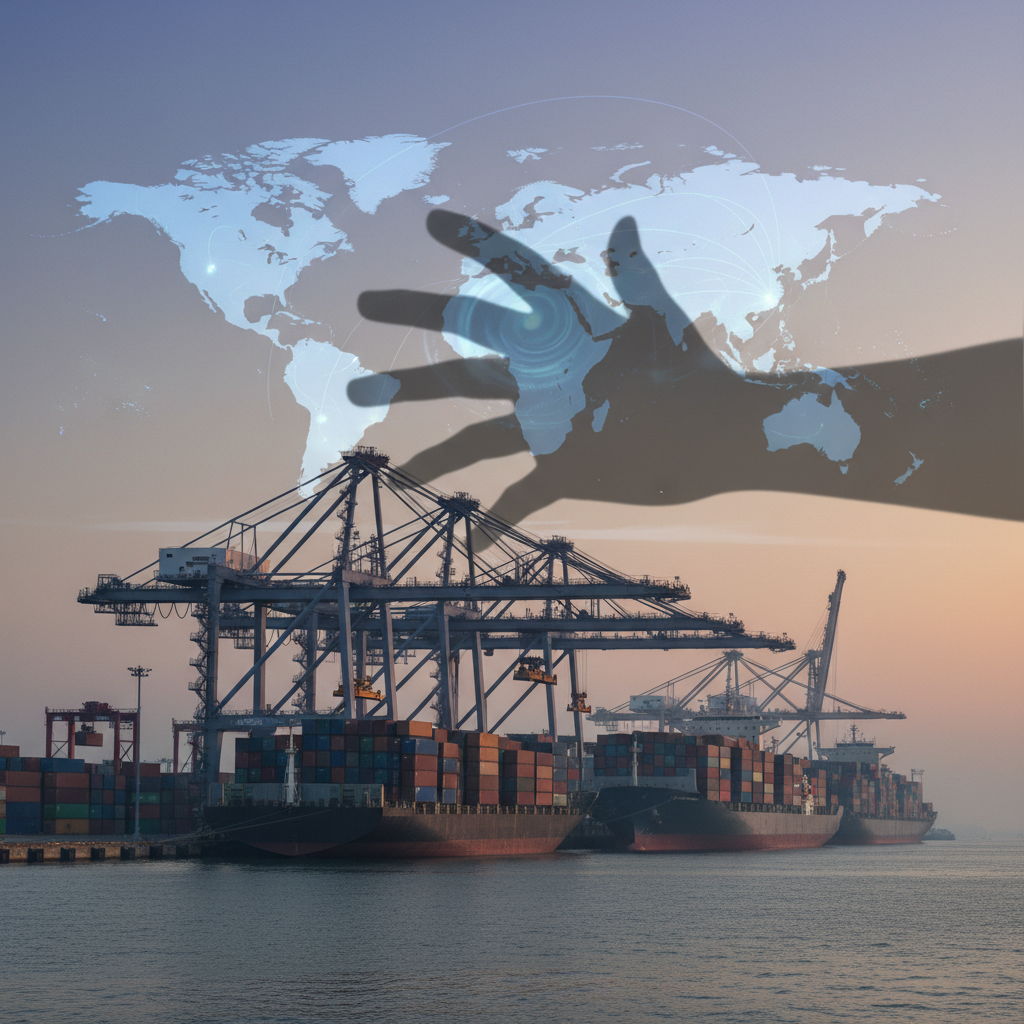
Trump Tariff Shadows Re-emerge: The Intersection of Global Trade and Climate Policy and Australia's Challenges

April 14, 2026 – According to the South China Morning Post, former US President Donald Trump has once again placed tariffs at the core of his policy tools, casting new uncertainty over the global trading system. Concurrently, major economies like Japan are actively addressing climate change through trade policies. The intersection of these two trends presents unique and complex challenges for Australia's trade landscape.
Potential Impact of Trump's Tariff Policies
Trump's "America First" trade policy is fundamentally about protecting domestic industries through high tariffs. During his previous term, the US imposed tariffs as high as 25% on Chinese goods and implemented widespread "Section 232" tariffs on key raw materials like steel and aluminium. These measures led to global supply chain restructuring, increased trade costs, and heightened tensions within the multilateral trading system.
Should Trump return to office and pursue similar or even more aggressive tariff policies, the impact would be profound:
- Contraction of Global Trade Volume: High tariffs would suppress international trade, leading to a reduction in the global flow of goods, which in turn would affect global economic growth.
- Accelerated Supply Chain Restructuring: To circumvent tariffs, businesses would further seek supply chain diversification and regionalisation, for example, by relocating production bases from China to Southeast Asia or Mexico. This could impact Australian exporters reliant on existing supply chains.
- Escalation of Trade Friction: Trade retaliation among major economies could intensify, creating a vicious cycle that makes the international trade environment more complex and unpredictable.
For Australia, while its direct exports to the US might be relatively less affected by tariffs, as a nation highly dependent on global trade, any instability in the global trading system would indirectly transmit to the Australian economy. For instance, if the Chinese economy slows due to tariffs, demand for Australian iron ore, coal, and other bulk commodities would be impacted. Furthermore, adjustments to global supply chains could alter Australia's position in global value chains.
Japan's Climate Trade Strategy and Its Implications
In stark contrast to Trump's unilateral trade policies, countries like Japan are actively integrating climate change factors into their trade strategies. The Japanese government has set ambitious carbon neutrality targets and is promoting the decarbonisation and sustainable development of industrial supply chains through its "Green Transformation (GX)" strategy. This includes the potential implementation of a Carbon Border Adjustment Mechanism (CBAM) on imported goods, as well as prioritising the development and import of low-carbon products and technologies.
Japan's strategy holds dual significance for Australia:
- Opportunities: Australia possesses abundant renewable energy resources (such as solar and wind) and critical minerals (such as lithium and rare earths), offering immense potential in areas like green hydrogen and green steel. If Australia can accelerate its transition to a low-carbon economy, its clean energy products and technologies are poised to find significant demand in markets like Japan.
- Challenges: If Australia fails to effectively reduce the carbon footprint of its export goods, particularly its traditional high-emission products like coal and natural gas, it may face carbon tariff barriers from major trading partners such as Japan and the EU in the future, thereby eroding the international competitiveness of its products.
Australia's Trade Challenges and Responses
Facing the potential shadow of Trump's tariffs and the evolving climate trade strategies of Japan, Australian trade faces the following core challenges:
- Vulnerability of Bulk Commodity Exports: Australia's economy is highly dependent on exports of bulk commodities such as iron ore, coal, and natural gas. A global economic slowdown and changes in demand from major trading partners (especially China) will directly affect Australia's export revenue. According to the Australian Bureau of Statistics (ABS), bulk commodity exports are still projected to account for approximately 60% of Australia's total exports in the 2025-2026 financial year.
- Insufficient Supply Chain Resilience: While Australia boasts strong natural resource advantages in certain areas, its supply chains in manufacturing and high-tech products remain vulnerable to external shocks.
- Transition Pressure on Carbon-Intensive Industries: Australia's energy and mining sectors have high carbon emission intensities. As global "carbon neutrality" goals advance, these industries face immense pressure to transition to avoid future trade barriers.
To address these challenges, Australia can adopt the following strategies:
- Trade Diversification: Reduce over-reliance on single markets or single commodities, actively expand into emerging markets, and deepen cooperation with existing trading partners.
- Industrial Upgrading and Green Transformation: Invest heavily in renewable energy, green technologies, and critical mineral processing to promote high-value-added and low-carbon export products. For example, developing green hydrogen exports and processing iron ore into green steel.
- Strengthen Multilateral Cooperation: Actively participate in and promote World Trade Organization (WTO) reforms, supporting an open, transparent, and rules-based multilateral trading system to counter unilateralism and protectionism.
- Enhance Supply Chain Resilience: Encourage businesses to conduct supply chain risk assessments and explore localised production or regional cooperation to cope with external shocks.
Historical Comparison and Future Outlook
History does not simply repeat itself, but it does rhyme. The 2018 US-China trade war led to a slowdown in global GDP growth, with some sectors (e.g., automotive, electronics) suffering significant blows. If a new tariff war erupts, its impact could be even more widespread, especially given that the global economy has not fully recovered from the pandemic and geopolitical conflicts.
Over the next few years, Australia's trade prospects will depend on the interplay of various factors:
- Scenario 1: Moderate Protectionism and Accelerated Green Transformation. Trump's tariff policies might soften, while global green transformation continues to accelerate. Australia could seize new export opportunities by developing green industries.
- Scenario 2: Full-Scale Trade War and Green Barriers. Trump implements aggressive tariffs, triggering a global trade war, while major economies widely implement carbon border adjustment mechanisms. Australia would face dual pressures, with traditional exports hindered and slow green transformation leading to missed opportunities.
- Scenario 3: Multilateralism Revival and Green Cooperation. Major global economies reach new trade and climate agreements through negotiations, jointly promoting sustainable development. Australia would benefit from a stable trade environment and international cooperation in green industries.
Impact on Australian Households and the Building Sector
These macroeconomic and trade trends will ultimately transmit to Australian households and specific industries.
- Price Volatility: If global trade costs rise (e.g., shipping fees, raw material tariffs), import prices will increase, affecting the purchasing power of Australian households.
- Job Market: The rise and fall of export-oriented industries will directly impact employment. The emergence of green industries may create new job opportunities, while traditional high-carbon industries face transition pressures.
- Building Sector: Fluctuations in international prices for building raw materials such as steel, aluminium, and timber will directly affect construction costs. For example, if global steel prices rise due to tariffs, the cost of Australian building projects will increase accordingly. Concurrently, if Australia actively promotes green building and sustainable development, demand for efficient, low-carbon construction methods like prefabricated buildings may increase.
EASOVA, as an Australian-based prefabricated housing company, understands the importance of material costs and supply chain stability. We are committed to providing cost-effective, quality housing solutions through localised production and efficient modular construction techniques, to navigate market uncertainties and support Australia's transition towards a more sustainable building future.
Related Articles

EASOVA's Mission: Making Granny Flats the First Breakthrough in Australia's Housing Revolution
EASOVA's mission is not just to build granny flats, but to use them as a starting point to propel Australian housing into the next generation of upgrades. We believe that granny flats are the most suitable real-world scenario for first introducing fifth-generation housing concepts and smart systems. They can not only increase space and rental income but also become a vehicle for residential technology, integrating high-performance construction, age-friendly design, intelligent operation and maintenance, and continuous upgrade capabilities. To truly achieve this goal, we must integrate four core capabilities: structural design, customer decision-making, AI software and hardware, and financial support, to create a complete product system that is approvable, deliverable, and sustainably evolving.
22 Apr 2026
Australian Billionaire's Urgent Warning: Housing Crisis Escalates, How Will Government Respond?
Australia's second-richest person has issued a dire warning, stating that Australia's housing crisis will worsen unless the government intervenes urgently. This article delves into the causes of the crisis, its potential impacts, and possible policy interventions.
30 Apr 2026
Australia's Two-Speed Property Market: WA Leads, Why Are Eastern States Lagging?
Recently, the Australian property market has shown a significant "two-speed" divergence, with Western Australia performing strongly while the eastern states face slowing growth. This article delves into the economic, demographic, and policy factors contributing to this phenomenon, and explores its profound implications for the national housing market and future trends.
30 Apr 2026