Tasmania's Backyard Home Revolution: Prefabrication Reshaping Australian Housing?
Tasmania is leading a granny flat revolution, combining traditional construction with modern prefabricated technology. This article delves into how this trend is impacting the Australian property market, from construction costs and approval processes to sustainability, and explores its profound implications for housing solutions in Sydney and across the nation.
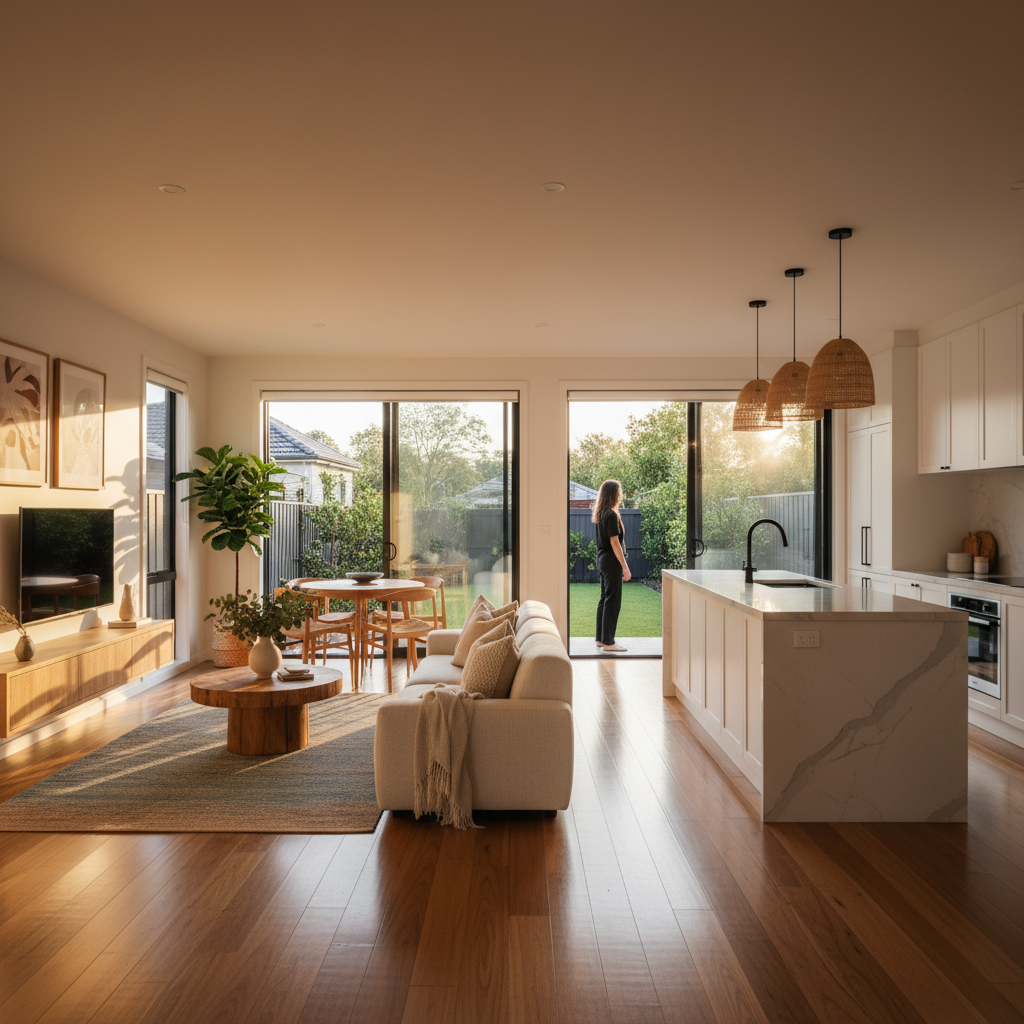
Tasmania's Backyard Housing Revolution: How the Prefabrication Wave is Reshaping Australia's Housing Market?
Australia's housing crisis is worsening, and solutions often emerge from unexpected corners. Recently, the Australian Broadcasting Corporation (ABC) reported on March 17, 2026, that Tasmania is leading a revolution in granny flats, combining traditional construction concepts with modern prefabrication technology to offer new approaches to housing affordability. This trend is not only significant for Tasmania but also signals a profound shift in the future direction of housing construction across the entire Australian property market, especially in major metropolitan areas like Sydney.
News Hook: Tasmania's "Prefabrication" Breakthrough in Granny Flats
According to the ABC report (March 17, 2026), the Tasmanian government is actively promoting the streamlining of granny flat approval processes and encouraging the adoption of prefabrication (prefab) technology. The aim is to deliver high-quality housing units in a shorter timeframe and at a lower cost. This initiative seeks to alleviate the growing local housing demand and provide viable solutions for first-home buyers and homeowners seeking additional income. The Tasmanian government's forward-thinking policy undoubtedly sets an example for other states nationwide, particularly in areas with scarce land and high construction costs like Sydney, where the potential of prefabricated granny flats is being re-evaluated.
Impact Chain Analysis: Ripple Effects from Tasmania to the Nation
This trend in Tasmania is not an isolated incident; it reflects the deep-seated challenges facing Australia's housing market and offers an innovative response strategy. Its impact chain can be unfolded as follows:
- Policy Drive and Market Response: The Tasmanian government's policy direction, such as simplified approvals and encouragement of prefabrication, directly reduces the time and administrative costs of developing granny flats. This will stimulate more developers and individual homeowners to consider building granny flats, thereby increasing market supply.
- Construction Cost and Efficiency Optimisation: The core advantage of prefabricated construction lies in its factory-based production model. Compared to traditional on-site construction, prefab homes can effectively mitigate issues such as weather delays, labour shortages, and material waste. For example, according to data from Master Builders Australia, the average construction cost in Australia rose by approximately 7% in 2023, with labour costs accounting for a significant portion. Prefabrication can shift most processes to a controlled factory environment, thereby improving efficiency, reducing reliance on skilled workers for on-site construction, and lowering overall building costs.
- Improved Housing Affordability: The reduction in costs and acceleration of construction speed make granny flats a more attractive housing option. For average families, a granny flat with a short construction period and transparent pricing can serve as an independent dwelling for family members or generate stable rental income through leasing. In Sydney, the average rent for a detached house has exceeded AUD 800 per week, making the return on investment (ROI) for building a granny flat extremely appealing.
- Population Growth and Housing Demand: Australia's continuous immigration policy leads to rapid population growth. Australian Bureau of Statistics (ABS) data shows that Australia's population grew by 2.5% in 2023, reaching a record 26.8 million people. This population surge has directly led to an imbalance in housing supply and demand, especially in major cities like Sydney. Granny flats, as a "density-enhancing" solution, can add housing units to existing plots without the need to purchase additional land, effectively alleviating some of the pressure.
- Sustainable Development and Environmental Benefits: Prefabricated buildings typically employ more precise material management and more efficient energy use, reducing construction waste and aligning with Australia's increasingly stringent green building standards and sustainable development goals.
Historical Comparison: How Prefabrication Emerged from GFC to Pandemic
Looking back, Australia's construction industry has faced challenges multiple times and learned from them. For example:
- 2008 Global Financial Crisis (GFC): At that time, the construction industry was hit by a double blow of credit crunch and declining demand. Many traditional construction projects stalled, but some smaller, economical housing solutions began to gain attention, laying the groundwork for subsequent miniaturised and efficient construction models.
- 2020 COVID-19 Pandemic: The pandemic caused global supply chain disruptions, soaring prices for building materials (such as timber and steel), and exacerbated labour shortages. For instance, timber prices rose by over 30% at one point in 2021. Against this backdrop, prefabricated construction demonstrated strong resilience due to its greater control over supply chains, shorter on-site construction times, and better management of worker social distancing. Many builders began to re-evaluate prefabrication as a strategy to cope with future uncertainties.
Tasmania's current prefabrication wave draws on these historical lessons, placing efficiency and cost control at its core to address the current, more complex economic and demographic challenges.
Data Support and Market Outlook
- Sydney Property Market Status: As of early 2024, the median price for a detached house in Sydney has exceeded AUD 1.4 million, and the median apartment price is close to AUD 800,000, with rental yields generally below 3%. High property prices and rents make it difficult for many families to afford housing. Granny flats, especially prefabricated ones, with their relatively low construction costs (typically between AUD 150,000 and AUD 300,000, depending on size and configuration) and quick return on investment, have become an extremely attractive alternative.
- Growth in the Prefabricated Construction Market: According to an IBISWorld report, Australia's prefabricated building industry has experienced steady growth over the past five years and is expected to continue this trend in the coming years, with an anticipated annual growth rate of 5-8%. Tasmania's policies will undoubtedly further accelerate this growth.
- Policy Dividends: With Tasmania's successful practice, it is expected that other states, such as New South Wales, will follow suit, further simplifying the approval process for granny flats. Currently, the NSW planning department already allows granny flats to be built without a DA (Development Application) under specific conditions, significantly shortening approval times.
Future Predictions: 2-3 Possible Scenarios
- Scenario One: Prefabrication becomes mainstream, policies further relaxed. Tasmania's success will prompt more state governments to adopt similar policies, further streamlining the approval process for prefabricated granny flats. Prefabrication technology will continue to innovate, offering more design options and higher energy efficiency standards. This will lead to rapid expansion of the granny flat market, making it a vital component in addressing the housing crisis, especially in major cities like Sydney, where granny flats will become a common way for families to add value and generate extra income.
- Scenario Two: Market differentiation, quality and innovation coexist. As the prefabricated granny flat market expands, different tiers of products and services will emerge. Some companies will focus on providing cost-effective basic models, while others will pursue high-end customisation and smart home integration to meet diverse customer needs. Market competition will drive technological advancements and design diversification, but consumers will need to be more discerning in evaluating supplier quality and credibility.
- Scenario Three: Initial challenges and gradual improvement. Although prefabrication has broad prospects, it may encounter some challenges in the initial stages of promotion, such as public prejudice against the quality of prefabricated buildings, local council approval officers' adaptation period to new technologies, and the need for upgrades to existing infrastructure (such as electricity and plumbing). However, with an increasing number of successful cases and continued government support, these challenges will be gradually overcome, and prefabricated granny flats will eventually gain wider acceptance.
What Does This Mean for Homeowners and Investors?
For homeowners in Sydney and surrounding areas, this trend in Tasmania presents significant opportunities:
- Increase Property Value and Income: Building a prefabricated granny flat not only provides additional living space for the family but also generates substantial passive income through rental, effectively hedging against rising living costs and mortgage pressures. In Sydney, a well-designed granny flat can increase property value by 10% to 20%.
- Rapid Return on Investment: Prefabrication significantly shortens the construction period, typically taking only about 3 months to complete, meaning homeowners can convert their investment into rental income faster.
- Controllable Costs, Reduced Risk: Prefabricated homes typically use fixed-price contracts, avoiding common risks of cost overruns and uncertainties often seen in traditional construction.
EASOVA's Advantage: Leading the Sydney Prefabricated Granny Flat Market
As an Australian prefabricated granny flat company rooted in Sydney, EASOVA deeply understands market demands and industry trends. We leverage the following advantages to provide our clients with exceptional housing solutions:
- 90% Factory Prefabrication: Our granny flats are 90% built in a controlled factory environment, ensuring excellent quality and efficiency, and minimising the impact of on-site construction on your life.
- Fixed-Price Contracts: We offer transparent fixed pricing, giving you a clear understanding of the total project cost and avoiding any hidden fees or budget overrun concerns.
- 3-Month Fast Delivery: Thanks to our efficient prefabrication process, we commit to completing your granny flat project in just 3 months, allowing you to enjoy the convenience of your new space or rental income sooner.
- No Weather Delays: Factory production means our projects are unaffected by adverse weather, ensuring on-time delivery.
- Cost Certainty: From design to delivery, we provide you with comprehensive cost certainty, making your investment more secure.
Tasmania's granny flat revolution paints a clear picture for Australia's housing future. EASOVA is committed to bringing this efficient, economical, and sustainable prefabricated solution to every home in Sydney, working together to address housing challenges and create a better future.
Related Articles
Climate-Resilient Prefab ADUs: Facing Extreme Weather
With the increasing frequency of extreme weather events in Australia, the construction industry is facing severe challenges. This article delves into the unique advantages of prefabricated granny flats in enhancing climate resilience, exploring how they offer safer, more sustainable living options for families in Sydney and across Australia, from materials to construction processes. It also looks ahead to future building trends, incorporating insights from the latest industry reports.
7 Apr 20262026 Sydney Backyard Home Design Trends: Small Space, Big Wisdom
Explore the latest design trends for Sydney granny flats in 2026, focusing on how to maximise limited space. From multi-functional furniture to smart home technology, discover how to create efficient, comfortable, and CDC-compliant modern granny flats that enhance property value.
6 Apr 2026