Sydney's Safety Challenges: Reshaping Communities & Life
Sydney's recent security situation has drawn widespread attention. From rising crime rates to a decline in community safety, these challenges are profoundly impacting residents' daily lives, business activities, and even urban planning. This article will delve into Sydney's security issues, exploring their underlying causes, historical comparisons, and prospective future impacts and response strategies.
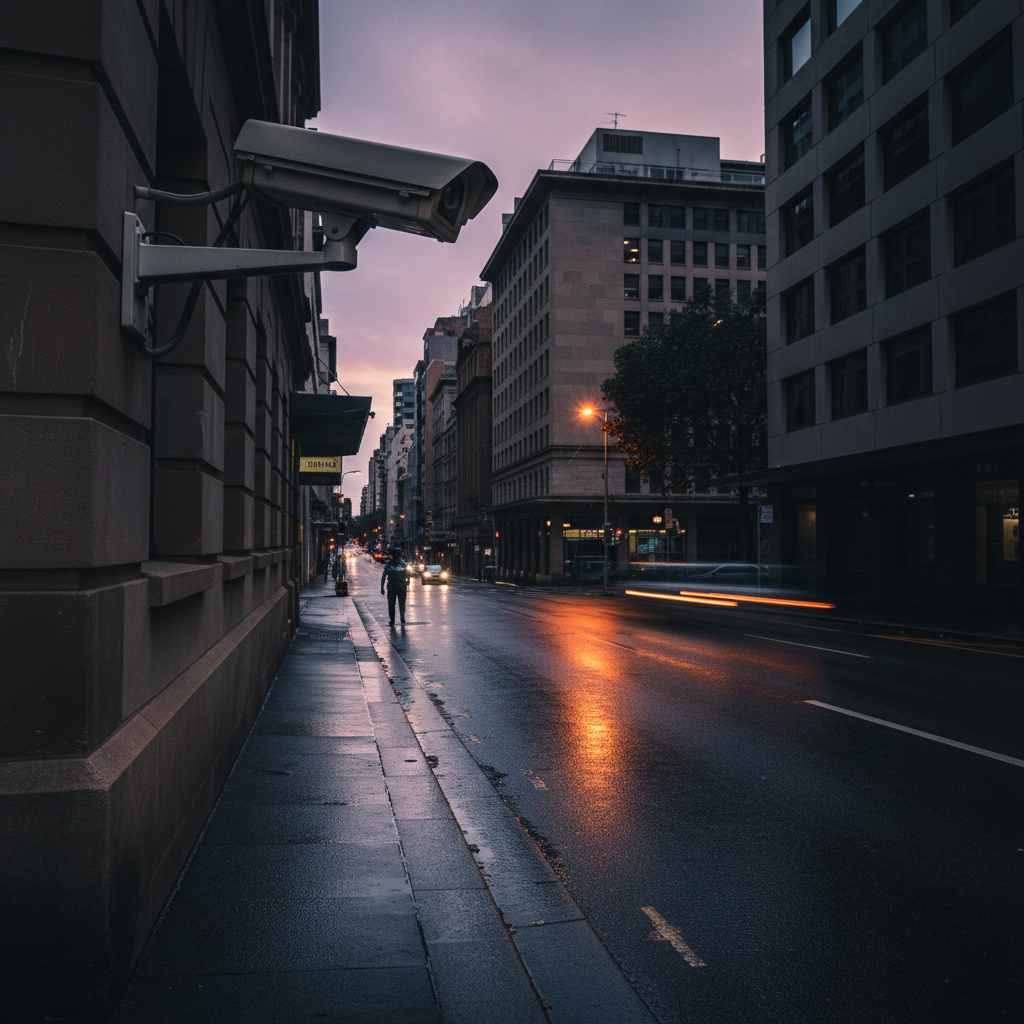
Sydney's New Safety Challenge: How Urban Security is Reshaping Communities and Lives
In recent years, behind its dazzling facade, Sydney, this international metropolis in Australia, has been confronting increasingly severe safety challenges. From the rise in street crime to the decline in community safety, these changes are not only affecting residents' daily lives but also raising new considerations for the city's social fabric and future development plans. According to a report by SMH.com.au on April 23, 2026, Sydney's crime rate is showing an upward trend in certain areas, particularly in residential break-ins and assaults, making urban safety a focal point of public concern.
Security Situation Analysis: The Reality Behind the Data
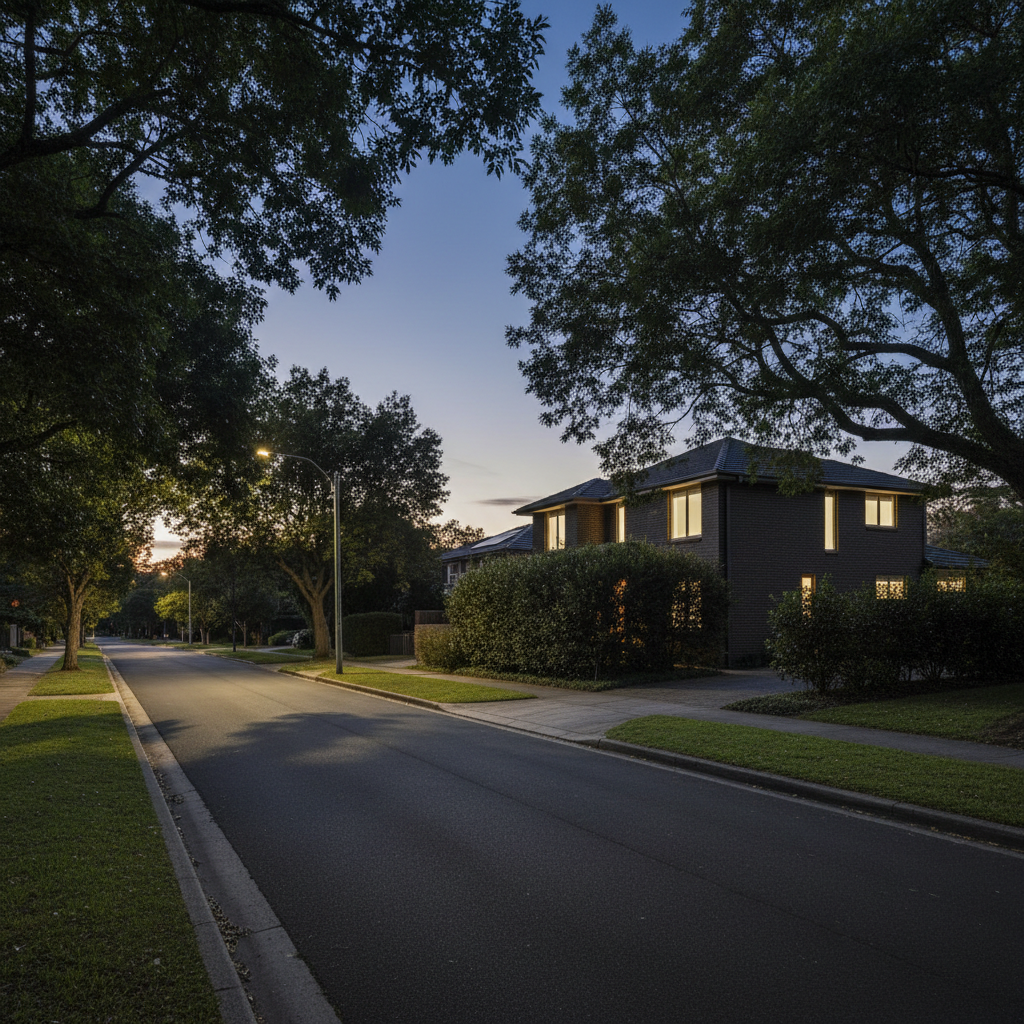
The Sydney Morning Herald report indicates that data from the New South Wales Police shows an increase in both violent and property crimes in parts of Sydney over the past year. For example, in some inner-city areas, residential break-ins have seen double-digit increases, while street robberies and assaults also show a worrying upward trend. These figures are not isolated phenomena but corroborate the widespread feeling of declining safety among residents.
Crime Types and Distribution
The current security issues facing Sydney are mainly concentrated in several areas:
- Property Crime: Residential break-ins, vehicle theft, and shoplifting remain prevalent, and under economic pressure, such crimes may become even more rampant.
- Violent Crime: Reports of street brawls, assaults, and even armed robberies occasionally surface, especially around nightlife venues.
- Youth Crime: Youth crime gangs are increasingly active in some areas, posing new challenges to communities.
Geographically, while city centre areas have relatively high crime rates due to high foot traffic, some suburbs traditionally considered safe are also beginning to show signs of deteriorating security, which is particularly unsettling for residents.
Impact Chain Analysis: From Declining Safety to Community Restructuring
The deterioration of urban security is not merely reflected in crime rate statistics; its effects ripple outwards, touching every aspect of social life.
Impact on Residents' Lives
- Changes in Daily Behaviour Patterns: Residents may reduce night-time outings, become concerned about using public transport, and even alter shopping and entertainment habits. For instance, many respondents stated they now avoid walking alone after dark or choose safer routes.
- Mental Health Pressure: Persistent safety concerns can lead to increased anxiety among residents, affecting their quality of life and well-being. For families, the safety of children and the elderly is a significant burden on parents.
- Decline in Community Cohesion: When residents lose confidence in community safety, mutual assistance and trust among neighbours may weaken, leading to a decline in community cohesion.
Impact on Business Activities
- Retail Sector Suffers: Rising crime rates can lead to consumers reducing their outdoor spending, especially in areas with poor security, directly impacting foot traffic and sales for businesses.
- Tourism Image Damaged: As an international tourist city, Sydney's security situation directly affects its international image. Negative reports could lead to a reduction in tourist numbers, impacting tourism revenue.
- Increased Commercial Insurance Costs: Businesses may need to pay higher insurance premiums to cover potential property losses, increasing operating costs.
Impact on Urban Planning and the Property Market
- Community Planning Adjustments: Government and urban planners may need to re-evaluate community design, increase lighting and surveillance facilities, and consider more rational police deployment to enhance public space safety.
- Property Market Differentiation: Properties in areas with good security will be more sought after, while areas with poor security may face the risk of property values stagnating or even declining. When choosing a place to live, safety factors will become an increasingly important consideration for homebuyers.
- Shift in Infrastructure Investment: More financial resources may be directed towards safety-related infrastructure development rather than other development projects.
Historical Comparison and Underlying Causes
Sydney is not facing safety challenges for the first time. Historically, every economic cycle fluctuation, social structural change, or specific event can trigger shifts in the security situation. For example, in the late 1990s, Sydney also experienced a period of relatively high crime rates, but through the government's "zero tolerance" policy and community policing reforms, the security situation significantly improved.
The underlying causes of Sydney's current security challenges may include:
- Economic Pressure: High inflation and rising cost of living may lead some individuals to take risks, especially among unemployed youth.
- Social Polarisation: Widening wealth inequality can exacerbate social conflicts, leading to an increase in crime rates.
- Insufficient Police Resources: With urban population growth and increasing complexity of crime, police deployment and resource allocation may not have kept pace.
- Post-Pandemic Aftermath: The COVID-19 pandemic has had a profound impact on social psychology and economic structures, with some social issues gradually emerging post-pandemic.
Future Predictions and Response Strategies
Looking ahead, Sydney's security situation may present several scenarios:
- Scenario One: Continued Deterioration. If economic pressures persist and the government fails to respond effectively, crime rates may continue to climb, leading to increased social instability.
- Scenario Two: Gradual Improvement. Through increased government investment, community policing reforms, and gradual economic recovery, the security situation is expected to improve progressively within 2-3 years, though returning to historical best levels will take longer.
- Scenario Three: Regional Differentiation. There will be significant differences in security conditions across different urban areas, with affluent communities maintaining high safety levels through private security and technology, while more marginalised communities may continue to struggle.
To address these challenges, Sydney needs to adopt a multi-pronged strategy:
- Increase Police Investment and Technology Empowerment: Increase police numbers, strengthen patrols, and utilise technologies such as AI surveillance and big data analytics to improve case-solving efficiency and prevention capabilities.
- Community Policing and Prevention: Strengthen police-community cooperation, encourage residents to participate in community safety initiatives, such as establishing neighbourhood watch organisations and implementing youth crime prevention programs.
- Socio-Economic Structural Adjustment: Alleviate economic pressure and reduce the root causes of crime through education, job training, and welfare provisions.
- Optimised Urban Planning: When designing new communities and redeveloping old areas, fully consider "Crime Prevention Through Environmental Design" (CPTED) principles, using rational spatial layouts and lighting design to reduce opportunities for crime.
Implications for Australian Residents
For residents living in Australia, especially Sydney, understanding the current security situation is crucial. This not only concerns personal safety but also impacts property investment and lifestyle choices. When choosing a place to live, in addition to considering school zones, transport, and amenities, the community's security status should be a core consideration.
For property investors and developers, security factors will increasingly become key determinants of project value and market attractiveness. Incorporating safety design concepts and providing smart security systems when planning residential projects will better meet market demands.
As a company dedicated to providing high-quality prefabricated housing solutions for Australian families, EASOVA deeply understands the importance of the living environment to quality of life. We pay attention to all aspects of urban development, including community safety, and are committed to creating safe, comfortable, and liveable residential spaces for our clients through innovative construction technologies. A safe home is the cornerstone of a good life.
Related Articles

EASOVA's Mission: Making Granny Flats the First Breakthrough in Australia's Housing Revolution
EASOVA's mission is not just to build granny flats, but to use them as a starting point to propel Australian housing into the next generation of upgrades. We believe that granny flats are the most suitable real-world scenario for first introducing fifth-generation housing concepts and smart systems. They can not only increase space and rental income but also become a vehicle for residential technology, integrating high-performance construction, age-friendly design, intelligent operation and maintenance, and continuous upgrade capabilities. To truly achieve this goal, we must integrate four core capabilities: structural design, customer decision-making, AI software and hardware, and financial support, to create a complete product system that is approvable, deliverable, and sustainably evolving.
22 Apr 2026
2026 Australia Electric Pickup Market Outlook: Tech Innovation & Mobility Shift
Australia's electric vehicle market is poised for a major transformation as Mazda considers introducing several electric pickups, including the Deepal E07. This article provides an in-depth analysis of the technical trends and market competitive landscape for electric pickups in 2026, and their impact on Australia's future mobility, logistics, and construction sectors.
2 May 2026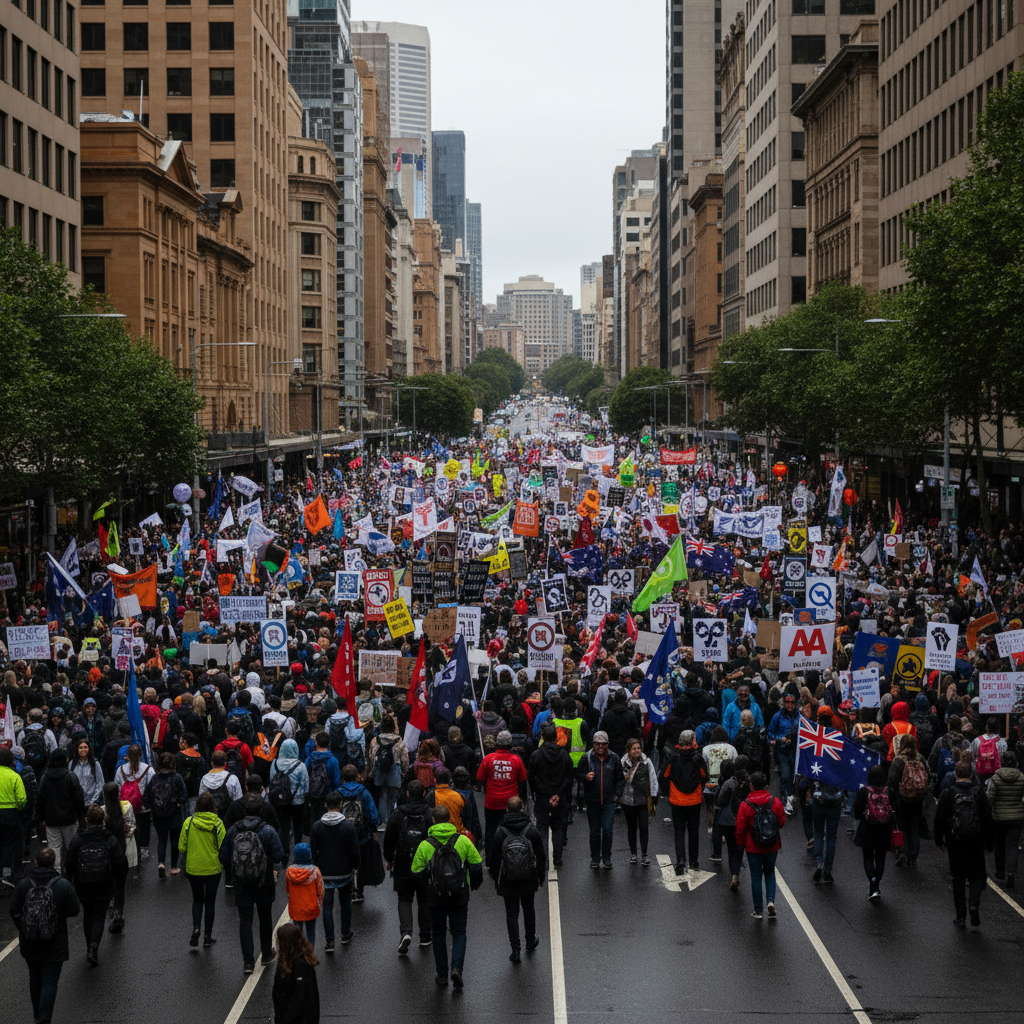
May Day General Strike: Global Labor Movement's Impact on Australia
On May 1, 2026, a nationwide general strike initiated by the "May Day Strong" organisation is brewing in the United States and other regions. This article provides an in-depth analysis of the background and demands of this global labour movement, and explores its potential profound impacts on Australia's economy, labour market, and social structure, including supply chain disruptions, inflationary pressures, and the evolution of industrial relations.
2 May 2026