Sydney Granny Flat Construction: A Complete Guide
Considering building a granny flat in Sydney? This article will provide a detailed breakdown of every step, from initial planning and the approval process (especially NSW CDC) to budget considerations and final occupancy, helping you effortlessly achieve your investment or living dreams. Learn how to leverage prefabricated technology to accelerate project timelines.
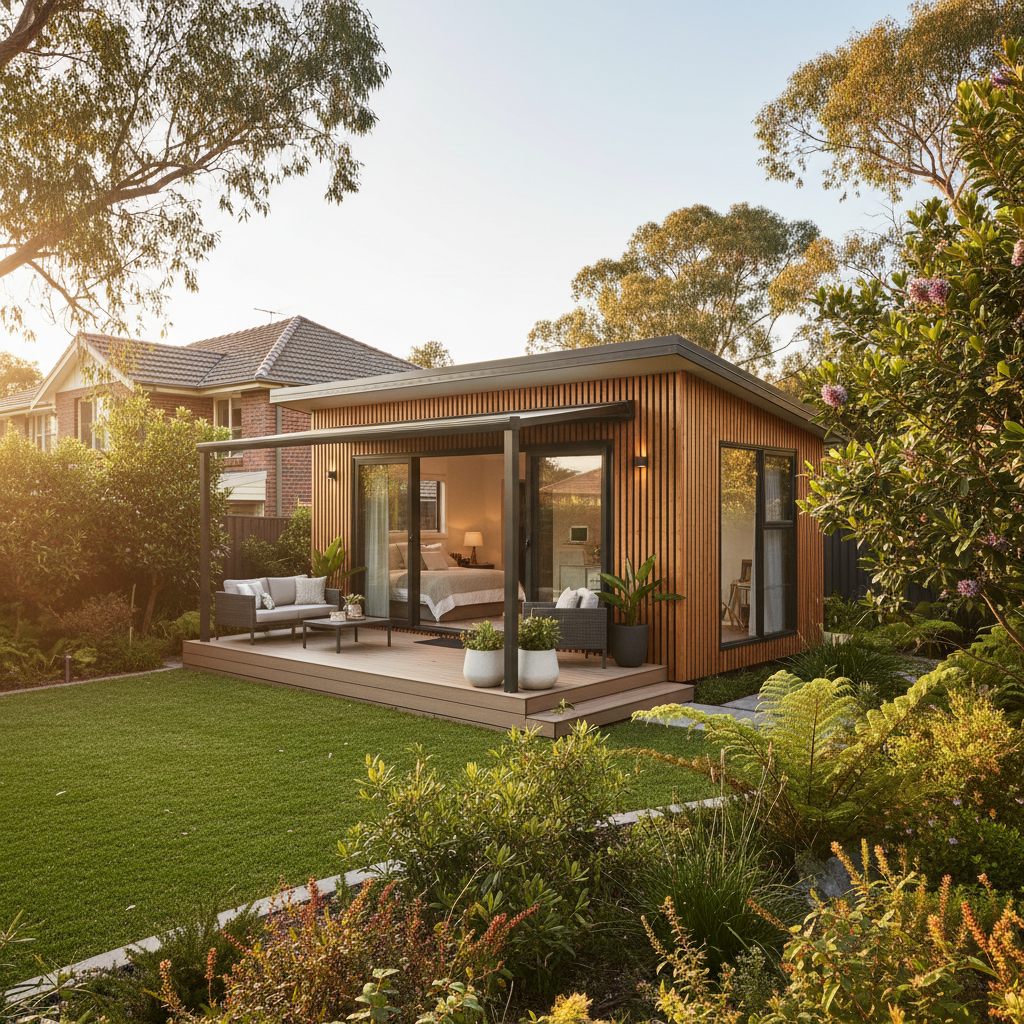
Sydney Granny Flat Construction Complete Guide: Every Step from Planning to Occupancy
In Sydney, where land is at a premium, granny flats are becoming an increasingly popular choice for many homeowners looking to enhance asset value, expand living space, or generate additional rental income. According to recent market analysis, the average rental yield for granny flats in Sydney can reach 5-7%, significantly outperforming traditional properties, making them a highly attractive investment for 2025-2026. But how does one successfully build a granny flat? This article provides a complete guide from planning to occupancy.
1. Initial Planning and Feasibility Study
Before commencing the project, first clarify your objective: Is it for rental, family members, or as a home office? This will determine the granny flat's size, layout, and interior design style.
- Land Requirements: In New South Wales (NSW), building a granny flat typically requires a minimum land area of 450 square metres, with a specified distance between the main dwelling and the granny flat, and independent access. You need to verify if your block meets these basic conditions.
- Budget Formulation: Define your total budget, including design fees, approval fees, construction costs, and potential utility connection fees (electricity, water, gas). A detailed budget will help you control costs and avoid overspending.
2. Approval Process: NSW CDC Approval is Key
There are two main avenues for granny flat approvals in New South Wales (NSW): local Council approval or approval via a Complying Development Certificate (CDC). For most eligible granny flat projects, CDC approval is the faster and more efficient option.
- CDC Advantages: If your project complies with all standards in the State Environmental Planning Policy (Affordable Rental Housing) 2009, such as block size, building height, setbacks, etc., you can obtain approval through the CDC pathway in just a few weeks, as opposed to months for local Council approval.
- EASOVA's Professional Support: EASOVA has extensive experience with CDC approvals and can assist you in preparing all necessary documents to ensure smooth project approval, significantly reducing waiting times.
3. Design and Construction: Choosing Efficient Building Methods
The design phase requires consideration of functionality, aesthetics, and harmony with the main dwelling. The construction phase is where the blueprint becomes reality.
- Traditional Construction vs. Prefabricated (Prefab) Homes: Traditional construction methods are time-consuming and susceptible to weather conditions. Prefabricated homes offer an efficient, high-quality alternative. For example, EASOVA's granny flats are 90% factory prefabricated, meaning most of the structure and interior finishes are completed in a controlled factory environment, significantly reducing on-site construction time and environmental impact.
- EASOVA's Unique Advantages: We commit to a 3-month delivery timeframe, and due to factory production, projects are unaffected by adverse weather, ensuring stricter quality control. This not only accelerates your return on investment but also saves you valuable time and effort.
4. Completion and Occupancy
Upon project completion, a final inspection is required, and an Occupation Certificate must be obtained. After this, your granny flat can be put to use, bringing new value whether for personal use or rental.
Conclusion
Building a granny flat is a smart move for property investment in Sydney. Through meticulous planning, understanding the CDC approval process, and choosing an efficient and reliable prefabricated builder like EASOVA, you can ensure your project is completed smoothly and quickly, effortlessly embarking on your granny flat journey. Contact EASOVA today to start your custom granny flat project!
Related Articles
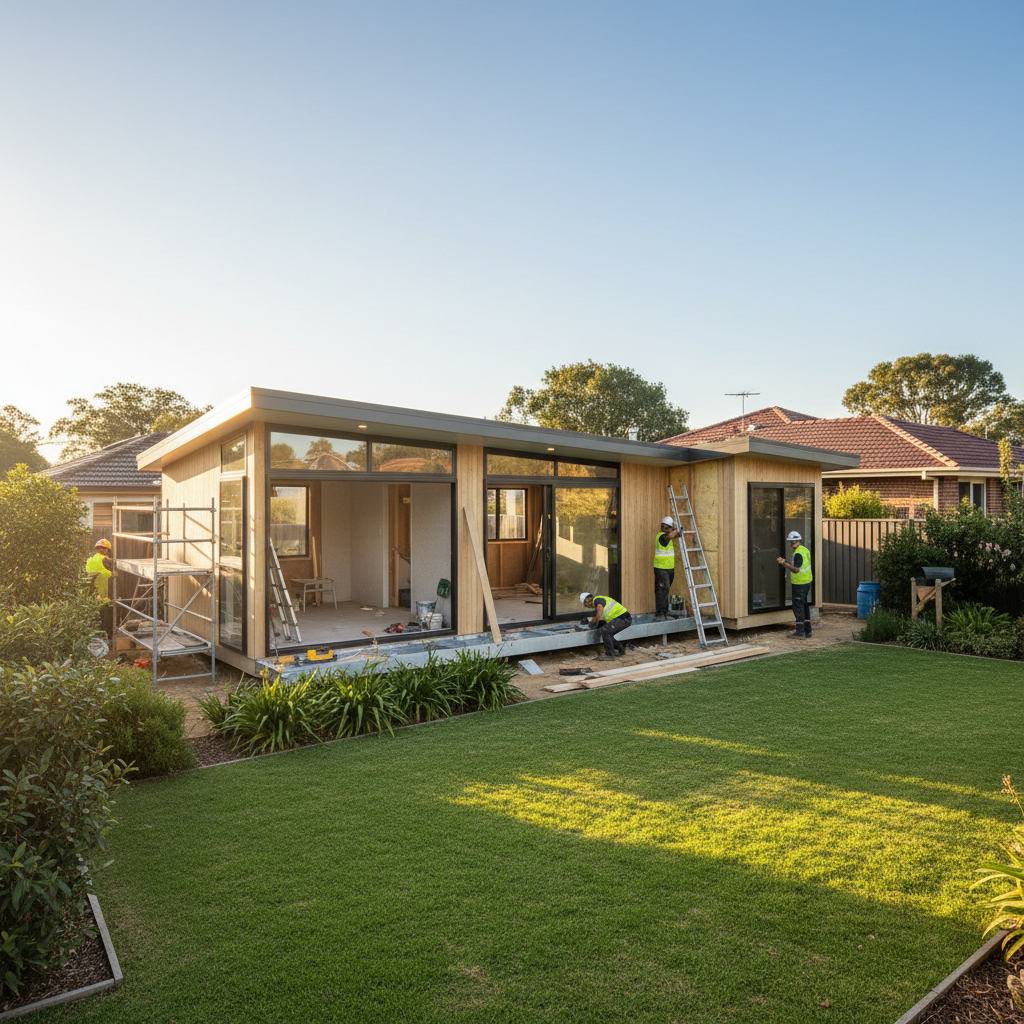
Victoria Granny Flat (Small Second Home) 7-Star Energy Efficiency and Livable Design Research Report (A Must-Read for Chinese Manufacturers)
From May 1, 2024, Victoria officially enforced the NCC 2022 energy efficiency and livable housing provisions. All new Class 1a dwellings—including detached houses, townhouses, and granny flats (small second homes)—must simultaneously meet two new mandatory requirements: the 7-Star energy efficiency standard and the Livable Housing Design Standard.
24 Apr 2026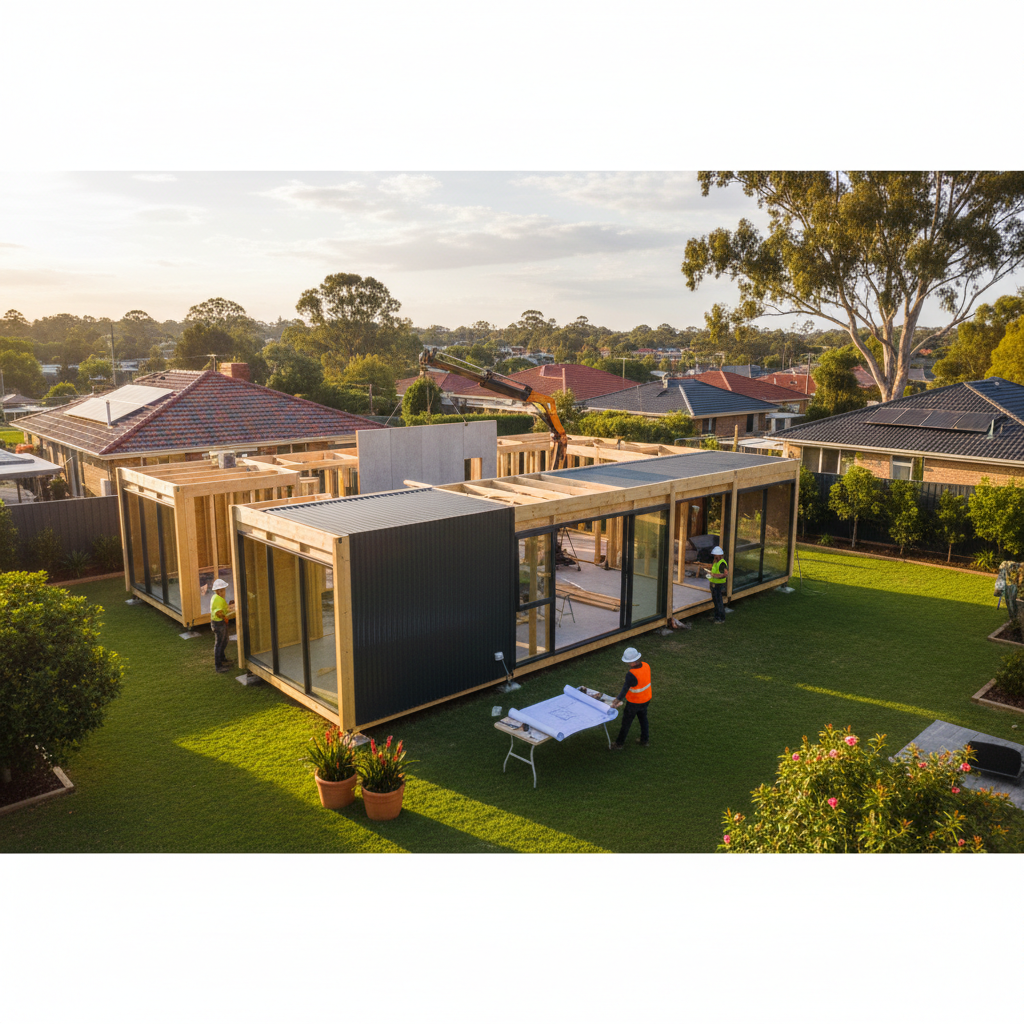
One Nation, Two Sets of Rules: The "Ice and Fire" of Granny Flat Accessibility Design in Victoria and NSW
Australia's granny flat construction is undergoing a quiet split – in Victoria, a door must be wide enough for a wheelchair; 100 kilometers away in New South Wales, the same door can be narrow enough for only one person to squeeze through sideways.
28 Apr 2026Sydney's Backyard Homes: New Housing Engine Under 2025-2026 Australian Tax Reforms
Facing changes in Australian tax policy and growing housing demand, Sydney granny flats are emerging as a highly attractive solution. This article will delve into their investment potential, approval advantages, and how to quickly realise your granny flat dream.
7 Apr 2026