Sydney Beach Closures: Reshaping City Life & Tourism
Recent closures of multiple Sydney beaches due to natural events have sparked widespread discussion on urban life, the tourism economy, and environmental governance. This article delves into the profound impact of such incidents on local communities, business activities, and future planning.
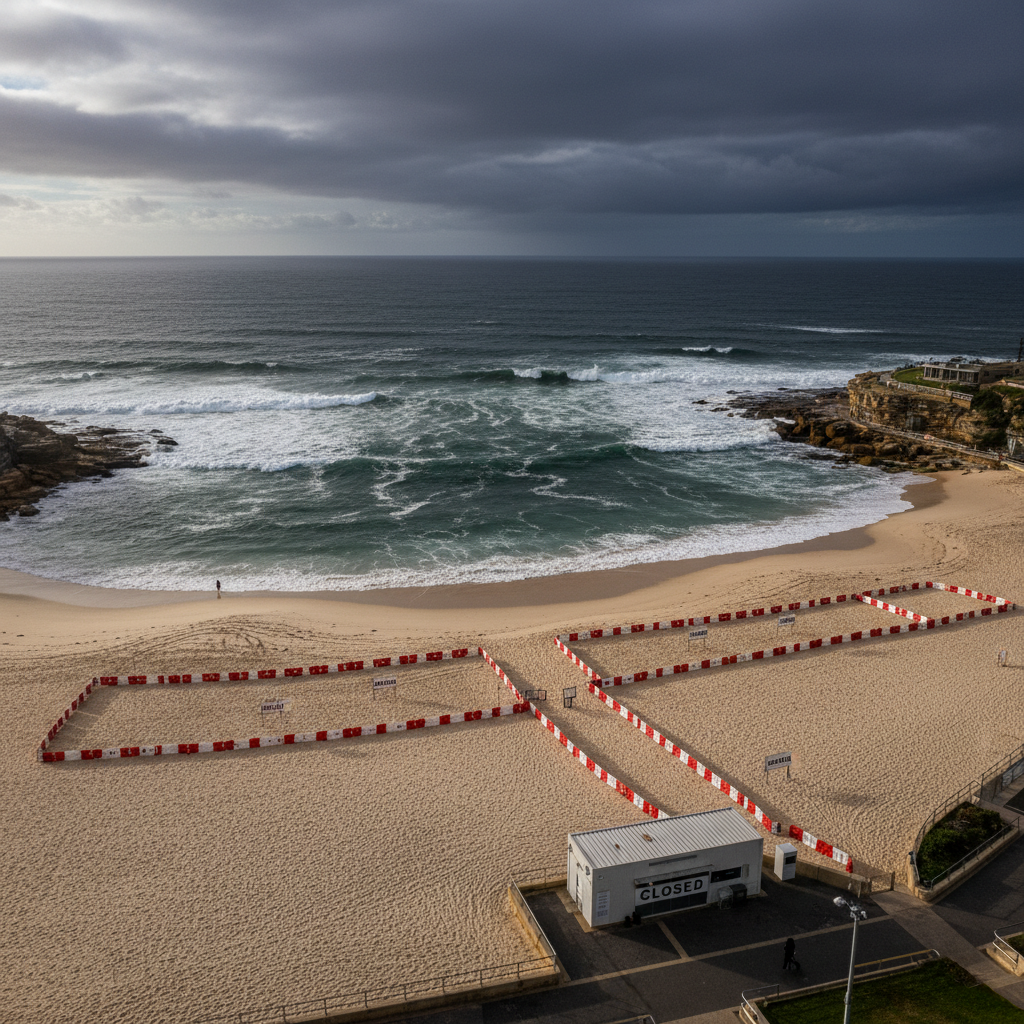
Sydney Beaches Closed: How Natural Events Reshape Urban Life and Tourism
Recently, several iconic Sydney beaches, including the famous Bondi Beach and Manly Beach, were forced to close due to natural events. This sudden situation not only disrupted the daily lives of local residents but also significantly impacted the economic and social fabric of Sydney, a globally renowned tourist city. According to an ABC report on April 26, 2026, these closures were caused by marine pollution and safety hazards resulting from extreme weather events, prompting public reflection on urban resilience and environmental governance.
Sudden Events: Environmental Warnings Behind Beach Closures
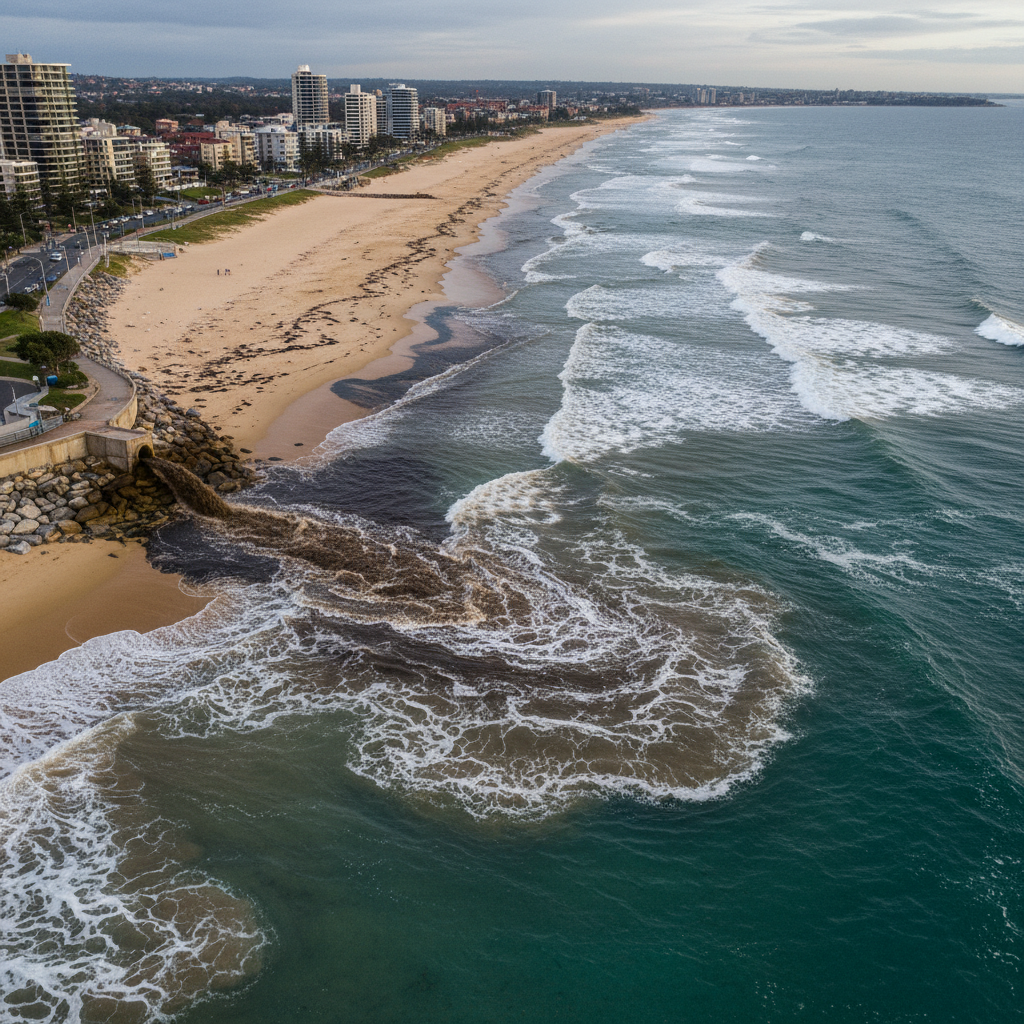
The recent Sydney beach closures are not isolated incidents. In recent years, as climate change intensifies, Australia's east coast has frequently experienced extreme weather, such as heavy rain, floods, strong winds, and coastal erosion. These natural phenomena often overwhelm urban drainage systems, leading to large volumes of untreated stormwater runoff carrying rubbish, sediment, and pollutants directly into the ocean, severely affecting beach water quality. Simultaneously, powerful waves can cause coastal erosion and even bring dangerous marine life, rendering beaches unsuitable for public use.
Historical data shows an upward trend in temporary Sydney beach closures over the past decade. For instance, after several heavy rainfall events in 2022 and 2023, water quality indicators in Sydney Harbour and surrounding beaches exceeded safe levels, leading to the closure of some areas for several days. This indicates that urban infrastructure faces severe challenges in coping with increasingly frequent and intense natural events.
Impact on Urban Life and Community
For Sydney residents, beaches are an integral part of their lives. Whether it's morning jogs, weekend surfing, or family gatherings, beaches provide unique recreational and social spaces. Beach closures mean the suspension of these daily activities, causing inconvenience and a sense of loss for residents.
- Mental Health Impact: Residents who rely on outdoor activities and natural environments may feel suppressed due to restricted access. Especially post-pandemic, the demand for outdoor spaces is even stronger.
- Community Cohesion: Beaches are often the heart of many coastal communities. Closures can temporarily weaken community activities and interpersonal interactions.
- Alternative Activity Demand: Residents need to find alternative recreational venues, which may increase pressure on parks, indoor sports facilities, and other areas.
Profound Impact on Tourism
Sydney's blue skies, sunshine, and beaches are the three pillars attracting global tourists. Beach closures have a direct and significant impact on the tourism industry.
- Damaged Tourist Experience: Many international and domestic tourists list beach activities as a highlight of their Sydney trip. Beach closures undoubtedly significantly diminish their travel experience and may even lead to trip cancellations or shortenings.
- Economic Losses: Businesses in the vicinity of beaches, such as restaurants, retail, accommodation, and tourism services (e.g., surf schools, rental shops), will be the first to be affected. According to Tourism Australia data, tourism is a vital component of the Australian economy, contributing tens of billions of Australian dollars annually to the nation. In the Sydney region alone, beach-related tourism expenditure accounts for a substantial share. A beach closure lasting several weeks could result in economic losses of millions or even tens of millions of Australian dollars.
- Damaged International Reputation: Prolonged or frequent beach closures could harm Sydney's image as a world-class tourist destination, influencing future tourist choices.
Response and Future Predictions
Facing increasingly severe challenges, the City of Sydney and relevant agencies are actively exploring solutions:
- Infrastructure Upgrades: Increase investment in drainage systems and wastewater treatment plants to enhance their capacity to cope with extreme weather. For example, introducing "green infrastructure" concepts that use natural infiltration and filtration to manage stormwater runoff.
- Environmental Monitoring and Early Warning: Strengthen real-time water quality monitoring, utilise AI and big data to predict potential pollution risks, and promptly issue warning information to enhance public awareness and response capabilities.
- Sustainable Tourism Development: Promote diversified tourism products to reduce over-reliance on single beach resources, such as developing cultural tourism, eco-tourism, and inland adventures.
- Public Education: Raise environmental protection awareness among citizens and tourists, encouraging waste reduction, water conservation, and collective efforts to maintain marine ecosystems.
Future Predictions:
- Scenario One: Sustained Investment and Improvement: If the government and community continue to invest and effectively implement the above measures, the frequency and duration of future Sydney beach closures are expected to be controlled, and the tourism industry can gradually recover and move towards a more sustainable development model.
- Scenario Two: Escalating Challenges: If the impacts of climate change exceed expectations or response measures are insufficient, beach closures could become commonplace. This would force Sydney to re-evaluate its urban development and tourism positioning, potentially even leading to a shift in population and economic centres inland.
- Scenario Three: Innovation and Transformation: In the face of challenges, more innovative solutions may emerge, such as the development of new anti-pollution materials, offshore cleaning technologies, or virtual reality tourism experiences, to adapt to new environmental realities.
Impact on the Australian Property and Construction Market
While beach closures may seem unrelated to the construction industry, their deeper impact cannot be ignored. Properties in Sydney's coastal areas, especially those with ocean views, have always been highly sought after. If the liveability and accessibility of beaches are long-term affected, it could exert negative pressure on the value of properties in these areas. Simultaneously, government investment in infrastructure upgrades, such as new drainage systems or flood protection projects, will create new project opportunities for the construction industry.
For prefab home companies like EASOVA, such natural events also highlight the importance of resilience and sustainability in building materials. In an era of increasingly frequent extreme weather, the adoption of high-strength, corrosion-resistant, and environmentally friendly building materials, as well as rapid construction and prefabricated building technologies that reduce on-site environmental impact, will become significant trends in the future Australian construction market. This will not only enhance a home's disaster resistance but also, to some extent, reduce the environmental burden of construction, aligning with the long-term goals of sustainable urban development.
Ultimately, the Sydney beach closure incident serves as a wake-up call from nature to humanity. It compels us to re-examine the relationship between humans and nature, and the sustainability of urban development models. Only by actively responding can we ensure the continued prosperity of Sydney, this beautiful coastal city.
Related Articles
EASOVA's Mission: Making Granny Flats the First Breakthrough in Australia's Housing Revolution
EASOVA's mission is not just to build granny flats, but to use them as a starting point to propel Australian housing into the next generation of upgrades. We believe that granny flats are the most suitable real-world scenario for first introducing fifth-generation housing concepts and smart systems. They can not only increase space and rental income but also become a vehicle for residential technology, integrating high-performance construction, age-friendly design, intelligent operation and maintenance, and continuous upgrade capabilities. To truly achieve this goal, we must integrate four core capabilities: structural design, customer decision-making, AI software and hardware, and financial support, to create a complete product system that is approvable, deliverable, and sustainably evolving.
22 Apr 2026
Australia's Failing Pension System: Elderly Renters' Housing Crisis
Australia's proud superannuation system is facing severe challenges, especially for elderly people who still need to rent after retirement. A new report indicates that the system is failing to adequately secure housing for elderly renters, pushing them to the brink of poverty.
29 Apr 2026
Global AI Race: Infrastructure Investment Reshaping Economies
Global AI competition is shifting from software to infrastructure such as chips and data centres, with automation threatening jobs and stimulating new investment. This article deeply analyses the economic impact of the AI race, exploring its profound transformative effects on Australia and the global economy.
29 Apr 2026