Strait of Hormuz Aluminum Supply Disruption: Prefab Home Cost Advantage?
Recent geopolitical tensions in the Strait of Hormuz threaten aluminium supply. This article deeply analyses how this event impacts the Australian construction industry through global supply chains, particularly the shock to traditional construction costs. It also explores how prefabricated housing, with its supply chain resilience and cost certainty, demonstrates unique advantages during uncertain times.

Hormuz Strait Aluminium Supply Disruption: Highlighting Prefab Home Cost Advantages?
News Focus: A Fragile Link in the Global Supply Chain
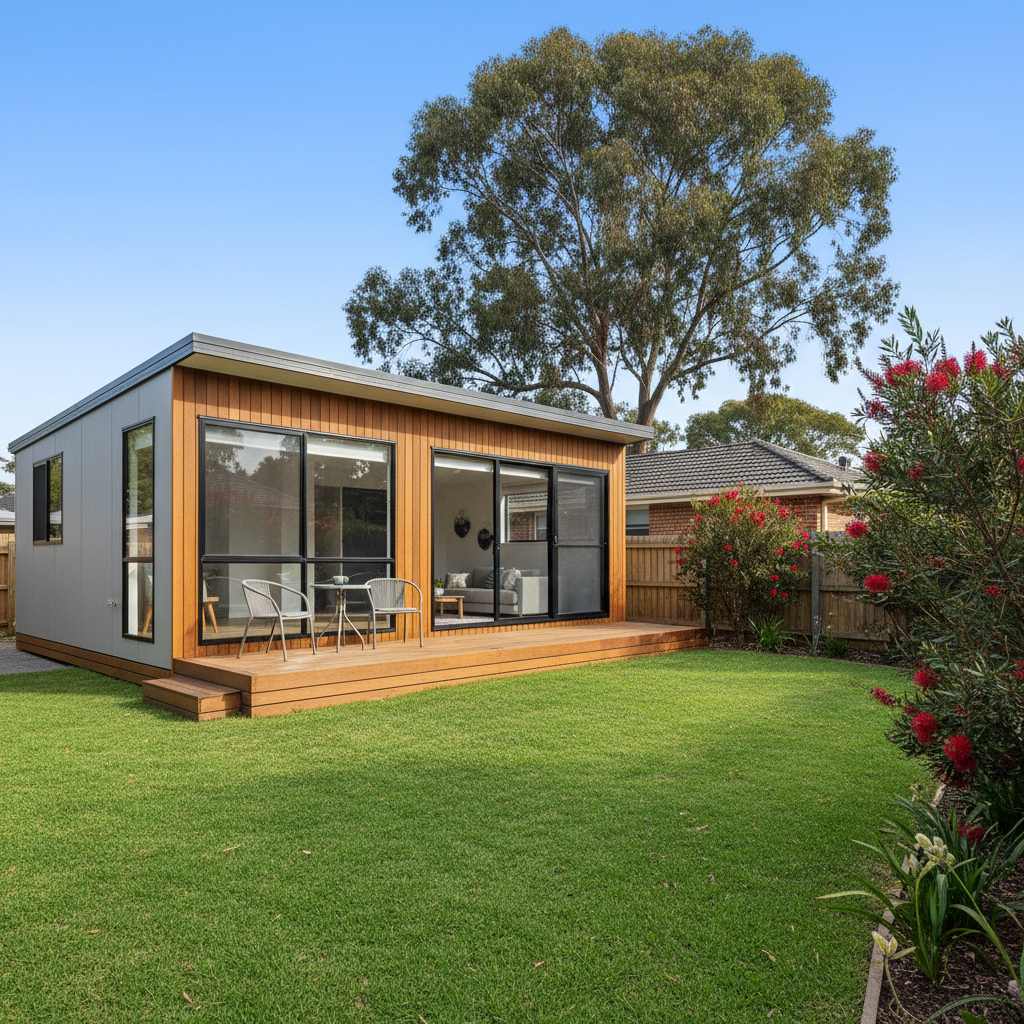
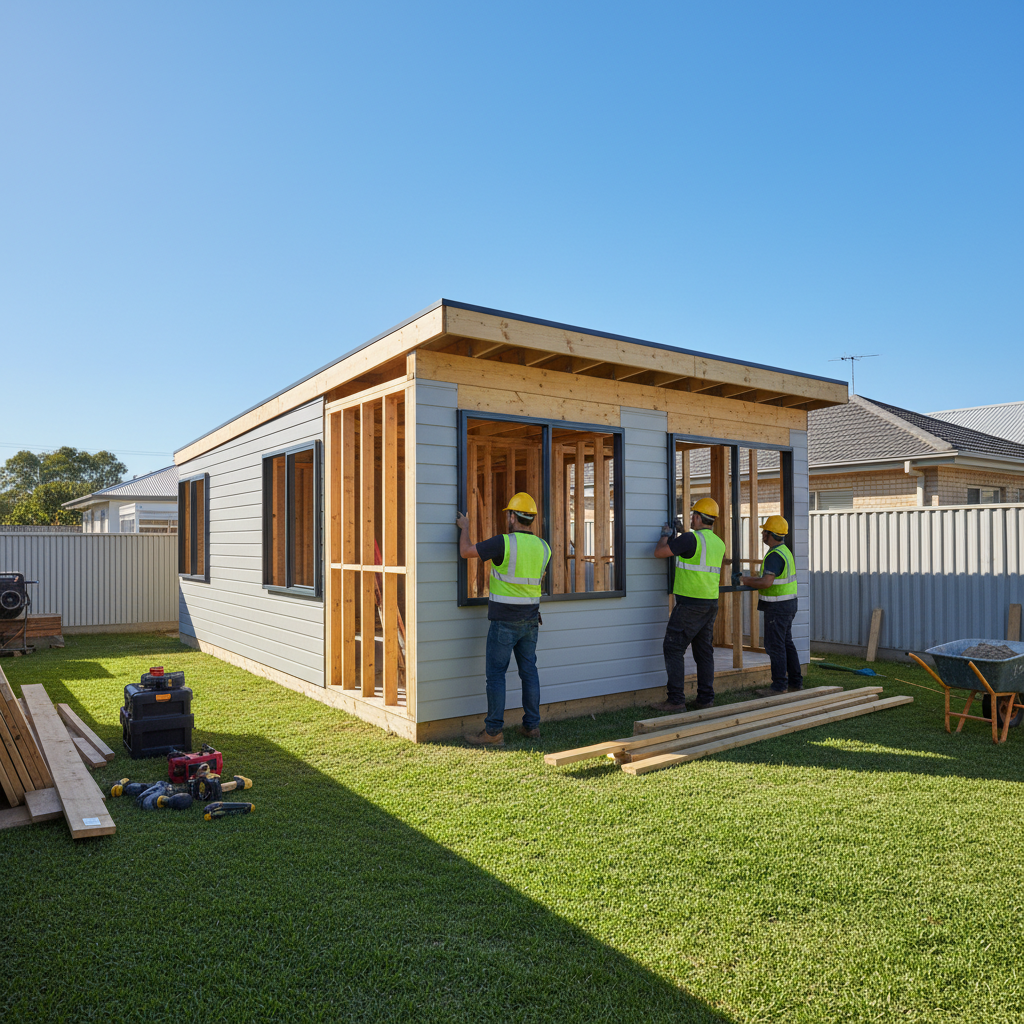
According to a Discovery Alert report on April 8, 2026 (Source: Discovery Alert, April 8, 2026), geopolitical tensions in the Strait of Hormuz region have escalated once again, raising market concerns about disruptions to the global supply of critical raw materials, particularly aluminium. As a strategic waterway connecting the Persian Gulf to the Indian Ocean, the Strait of Hormuz handles approximately 20% of global oil trade and a significant volume of other goods. Aluminium, an indispensable basic material in modern construction, transportation, electronics, and various other sectors, means any fluctuation in its supply could trigger a chain reaction globally, and Australia's construction and property markets would not be immune.
Impact Chain Analysis: From the Strait to Sydney Construction Sites
The potential crisis in the Strait of Hormuz, seemingly distant, can directly affect every construction project in Australia, including granny flat construction in Sydney, through complex global supply chains.
- Soaring Raw Material Prices: The Strait of Hormuz is a vital channel for the export of bauxite and primary aluminium products from the Middle East. Should shipping in this region be disrupted, global aluminium supply would immediately face shortages. Panic buying and speculative behaviour in the market would further drive up aluminium prices. Although Australia has some bauxite mining and alumina production, a large amount of primary aluminium and aluminium products still rely on imports, especially processed products from Asia and the Middle East. Aluminium is widely used in building doors and windows, roofing, structural components, piping, and various decorative materials.
- Increased Transport Costs: Even if supply is not completely cut off, geopolitical risks will cause shipping insurance rates to skyrocket, and shipping companies may choose to reroute, increasing transit times and fuel costs. These additional costs will ultimately be passed on to the price of imported goods, including every tonne of aluminium arriving at Australian ports.
- Construction Cost Transmission: The rise in aluminium prices and transport costs will directly push up the material procurement costs for Australian construction projects. For traditional on-site built homes, this means a significant increase in the cost of key components such as doors, windows, roofing, and external cladding. According to the Australian Bureau of Statistics (ABS), building material costs have been on an upward trend in recent years. For example, during the global supply chain crisis in 2021, steel prices once rose by over 23%, and aluminium, as another major commodity, also has considerable volatility. If this event persists, the increase in construction costs could reach 5-10% in the short term, or even higher, depending on the proportion of aluminium in the project and the availability of alternatives.
- Project Delay Risks: Supply disruptions not only affect prices but can also lead to extended material delivery times. On-site construction projects are highly dependent on timely material delivery, and any delay in critical materials can lead to project stoppages, incurring additional labour and equipment rental costs, and extending handover times.
Historical Comparison: Lessons from Crises
Looking back, the Australian construction industry has faced external shocks multiple times:
- 2008 Global Financial Crisis (GFC): While primarily affecting financial markets, it also led to credit tightening and reduced consumer confidence, slowing construction activity. However, raw material supply was less affected.
- 2020-2022 COVID-19 Pandemic: This is the most similar case to the current event. The pandemic caused widespread global supply chain disruptions, port congestion, labour shortages, and soaring prices for raw materials (such as timber, steel, and glass). At that time, many construction projects were halted or significantly delayed due to material shortages, and builders on fixed-price contracts faced huge losses. For example, timber prices once doubled in 2021, increasing the average construction cost of each detached house by tens of thousands of Australian dollars.
Compared to the COVID-19 period, the current Strait of Hormuz crisis may be more focused on specific commodity (e.g., aluminium) supply shocks, but its impact mechanism—transmitting through the supply chain to end consumers—is the same. History teaches us that in the face of uncertainty, construction models with more stable and controllable supply chains will demonstrate greater advantages.
Data Support and Market Indicators
- Aluminium Market: London Metal Exchange (LME) aluminium prices have shown upward expectations since the news broke, with increased volatility in the futures market. If the crisis escalates, spot prices could quickly surpass historical highs. For example, aluminium prices once exceeded US$3,200/tonne in late 2021, setting a 13-year record.
- Australian Construction Cost Index: According to CoreLogic-Cordell's Construction Cost Index (CCI), Australian residential construction costs increased by a record 11.9% year-on-year in 2022, primarily due to rising material and labour costs. If this aluminium crisis erupts, it will again push this index higher.
- Sydney Property Market: As Australia's largest property market, Sydney's construction activity is extremely sensitive to cost changes. With Sydney's median house price already exceeding A$1.4 million, any increase in construction costs will further squeeze developer profits or be passed on to homebuyers, exacerbating housing affordability issues. Granny flats, as an affordable housing solution, make cost control particularly important.
Future Forecast: Three Scenario Analyses
- Scenario One: Short-term Impact, Rapid Relief (Probability: Medium)
- Impact: Aluminium prices and transport costs rise slightly in the short term, but geopolitical tensions are brought under control within weeks, and shipping returns to normal. Construction projects may face minor delays and cost increases.
- For Homeowners/Investors: Limited impact, but still need to monitor whether builders pass on short-term costs. The fixed-price advantage of prefab homes is not significant in this scenario, but their speed of delivery remains attractive.
- Scenario Two: Sustained Tension, Restricted Supply (Probability: Higher)
- Impact: The Strait of Hormuz region remains turbulent, shipping is disrupted, aluminium supply is restricted long-term, and prices remain high. The Australian construction industry faces widespread material shortages and significant cost increases, with project delays becoming commonplace.
- For Homeowners/Investors: Traditional construction projects face greatly increased risks of budget overruns and schedule delays. Homeowners seeking new builds or extensions will face higher costs and longer waiting times. In this situation, the cost certainty and rapid delivery advantages of prefab homes will be very prominent.
- Scenario Three: Full-scale Conflict, Supply Chain Collapse (Probability: Lower, but Severe Consequences)
- Impact: Regional conflict escalates, the Strait of Hormuz is completely closed, global supply chains face catastrophic shocks, and prices for aluminium and other commodities skyrocket, possibly even leading to a situation where goods are unavailable at any price. The Australian construction industry could grind to a halt.
- For Homeowners/Investors: Traditional construction would be almost impossible. Prefab homes, due to their factory-based production model, might partially alleviate material shortages, but the overall market would still face immense challenges.
What This Means for Homeowners and Investors
In the current uncertain global environment, Australian homeowners and investors must consider supply chain risks and cost volatility when planning new build or extension projects.
- Cost Control: Traditional on-site construction projects often face additional costs due to material price fluctuations and schedule delays. Prefab homes, with their factory-based production model, can typically offer more competitive fixed-price contracts, effectively mitigating the risk of rising material prices.
- Schedule Certainty: Most prefab home processes are completed in a controlled factory environment, unaffected by weather, and material inventory can be managed efficiently. This means shorter, more predictable delivery times, with main structures often completed within 3 months, significantly reducing delays caused by material shortages or transport issues.
- Return on Investment: For investors looking to increase rental income or property value by building a granny flat, cost and schedule certainty are crucial. Faster delivery means earlier rental income generation, and a fixed price ensures a predictable return on investment.
EASOVA's Advantage: Providing Certainty in Uncertainty
As an Australian prefab granny flat company based in Sydney, EASOVA understands the impact of market volatility on its clients. Our core advantages include:
- 90% Factory Pre-fabrication: Most structural and internal finishes are completed in the factory, effectively avoiding material waste and weather-related delays on site.
- Fixed-Price Contracts: We offer transparent fixed prices, allowing clients to know the total cost from the outset, free from concerns about material price fluctuations.
- 3-Month Delivery Cycle: Efficient factory-based production processes ensure projects are completed quickly, allowing your granny flat to be used and generate income sooner.
- Immune to Weather Delays: Factory production is unaffected by adverse weather, ensuring projects progress as planned.
- Cost Certainty: Amidst volatile raw material markets, EASOVA's prefab model provides clients with valuable cost certainty, making your investment more secure.
Facing the potential aluminium supply challenges from the Strait of Hormuz, choosing a prefab home is not only a smart cost control strategy but also a reliable way to ensure project progress and achieve investment goals. In uncertain times, EASOVA offers you certain solutions.
Related Articles
EASOVA's Mission: Making Granny Flats the First Breakthrough in Australia's Housing Revolution
EASOVA's mission is not just to build granny flats, but to use them as a starting point to propel Australian housing into the next generation of upgrades. We believe that granny flats are the most suitable real-world scenario for first introducing fifth-generation housing concepts and smart systems. They can not only increase space and rental income but also become a vehicle for residential technology, integrating high-performance construction, age-friendly design, intelligent operation and maintenance, and continuous upgrade capabilities. To truly achieve this goal, we must integrate four core capabilities: structural design, customer decision-making, AI software and hardware, and financial support, to create a complete product system that is approvable, deliverable, and sustainably evolving.
22 Apr 2026
Canavan's Anti-Immigration Rally: Australia's Population Debate
Recent anti-immigration rallies initiated by Senator Matt Canavan have once again pushed Australia's population policy into the spotlight. This article deeply analyses the economic and social drivers behind these rallies, and explores their profound impact on Australia's future demographic structure, economic development, and social cohesion.
27 Apr 2026
Neighborhood Heroes in Fire: Community Aid & Home Safety
Recent fire incidents in Sydney have highlighted the powerful role of community assistance and the critical importance of residential safety measures. This article delves into fire risks, community response mechanisms, and how to enhance home safety in daily life to protect lives and property.
27 Apr 2026