Polar Cold Wave Hits Australia: Life & Challenges Amidst Extreme Lows
In May 2026, a rare polar cold snap swept across southeastern Australia, bringing unusual snowfall and sub-zero temperatures to many parts of Victoria and New South Wales. This article delves into an in-depth analysis of this extreme weather event, exploring its potential far-reaching impacts on people's lives, infrastructure, and the construction industry.
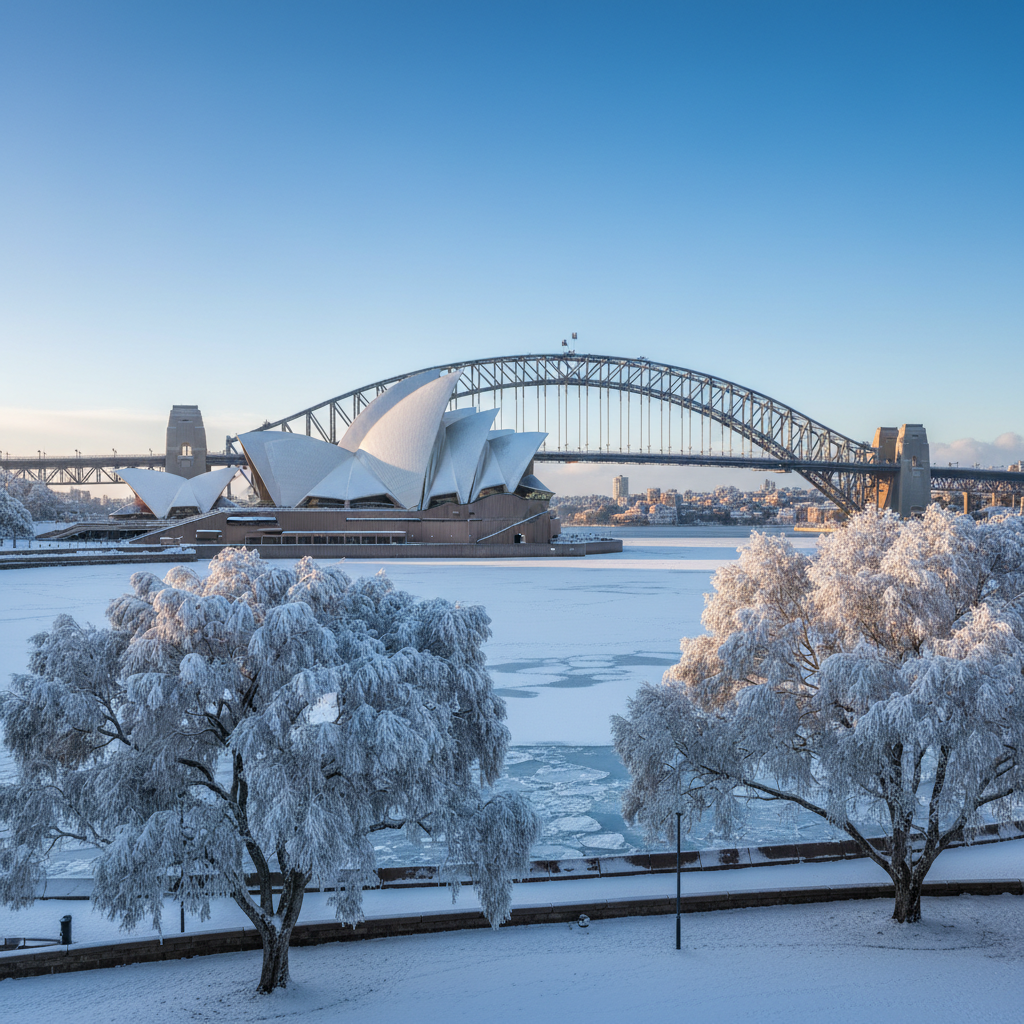
Polar Cold Snap Hits Australia: Life and Challenges Amidst Abnormal Low Temperatures
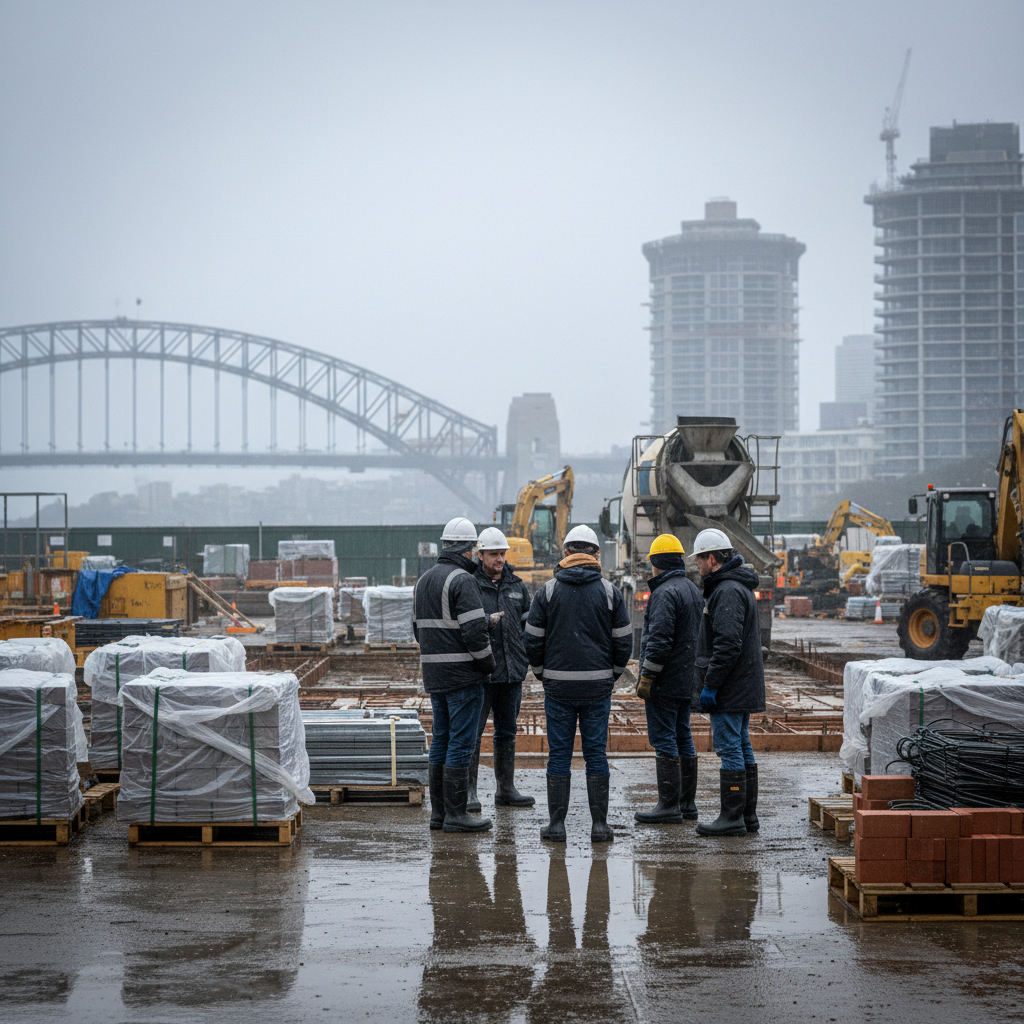
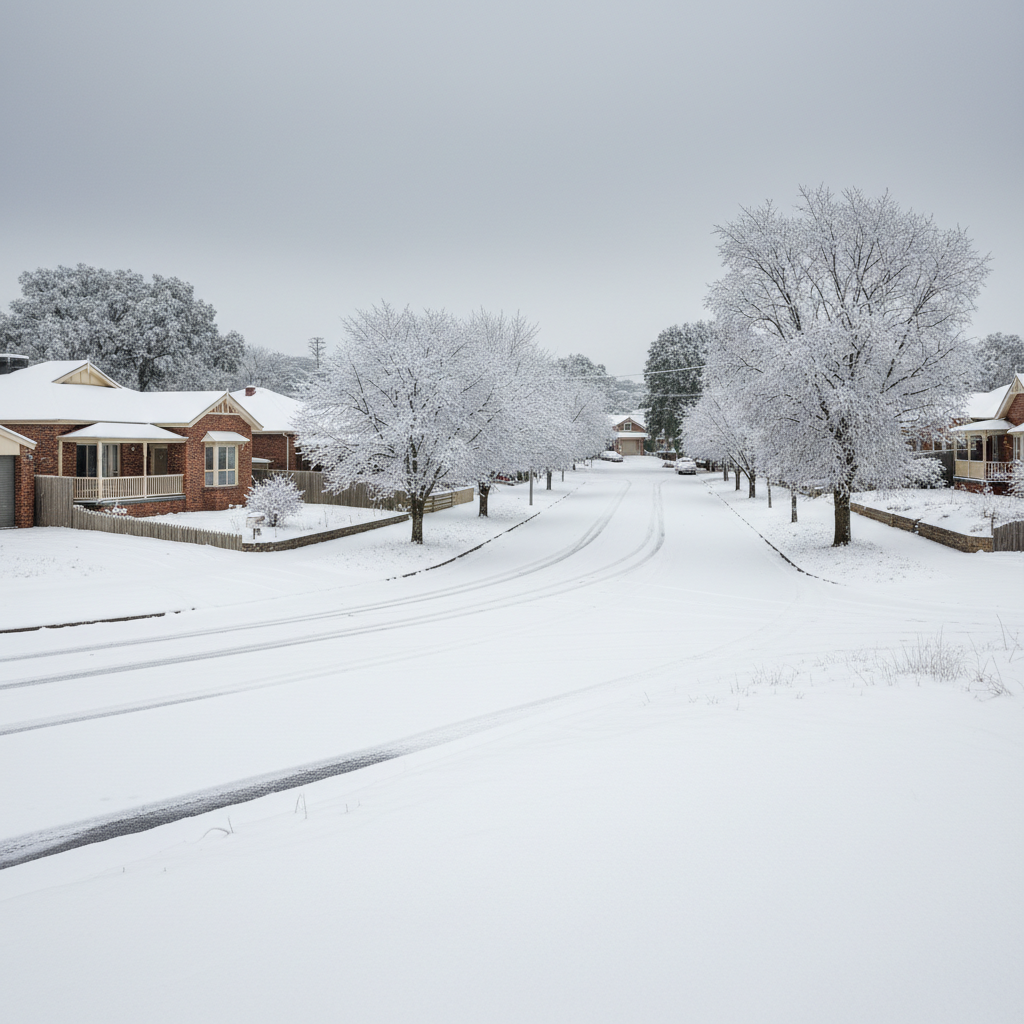
In early May 2026, southeastern Australia was struck by a rare polar cold snap. As reported by The Guardian on May 6, 2026, the Bureau of Meteorology noted "quite low-level" snowfall in many parts of Victoria, while temperatures in Thredbo, a renowned ski resort in New South Wales, plummeted to -1 degree Celsius. This unusual cold air not only brought an unprecedented winter experience to Australians but also sparked widespread concern about the impacts of extreme weather.
Rare Weather Event: Data and Phenomena
The intensity and scope of this cold snap exceeded many people's expectations. Typically in Australia, May is still a transitional period from autumn to winter, and such widespread, low-level snowfall and sustained low temperatures are uncommon. Meteorological data showed that temperatures in major cities like Sydney and Melbourne were significantly below seasonal averages, with some areas even recording their lowest temperatures for this time of year in many years. For instance, some towns in Victoria's alpine regions recorded their earliest snowfall since 2000, while extensive frost occurred in inland NSW.
Historically, the last "May snow" of a similar scale occurred in early 2000, which also impacted transport and agriculture. However, with the evolution of climate change patterns, the frequency and intensity of extreme weather events appear to be increasing in recent years, making this cold snap even more significant as a warning.
Impact Chain Analysis on Daily Life
-
Surge in Energy Demand and Supply Pressure: As temperatures plummet, heating demand for homes and businesses soars. This directly leads to a significant increase in electricity and natural gas consumption, placing immense pressure on an already strained energy supply system. If the cold snap persists, the possibility of localised power rationing or rising energy prices cannot be ruled out, thereby increasing household living costs.
-
Transport Disruptions and Logistics Delays: Snowfall and ice lead to slippery roads and reduced visibility, severely impacting road and air transport. Some mountain roads in NSW and Victoria were forced to close, and flights were delayed or cancelled. This not only affected people's travel but could also lead to supply chain disruptions, hindering the transport of fresh produce and daily necessities, which in turn could drive up prices.
-
Agricultural Production Losses: Australia is a major agricultural exporter. The sudden frost and low temperatures threaten the early growth of winter crops (such as wheat and barley) and the harvest of temperate fruits (such as citrus and apples). Livestock also face the risk of cold stress. Reduced agricultural output will directly affect farmers' incomes and may be passed on to consumer prices through supply and demand dynamics.
-
Public Health Risks: Extreme low temperatures pose health threats to the elderly, children, and individuals with cardiovascular diseases, with a potential increase in respiratory illnesses and cardiovascular events. Pressure on hospital emergency departments will subsequently rise.
Impact of Extreme Weather on the Construction Industry
This cold snap has also brought undeniable impacts to Australia's construction industry, particularly concerning project schedules, material supply, and building standards.
-
Construction Delays and Cost Increases: Outdoor construction activities are difficult to carry out under extreme low temperatures and snowfall conditions, increasing worker safety risks and leading to project schedule delays. For example, temperature-sensitive processes such as concrete pouring and external render application must be suspended. Delays mean increased labour costs, equipment hire costs, and project management costs.
-
Material Supply and Transport: Transport disruptions directly affect the movement of building materials, especially for materials that rely on imports or long-distance transport (such as certain types of steel, timber, or prefabricated components). Any supply chain interruption can lead to material shortages and price fluctuations. For instance, if ports or major transport routes are blocked, it will directly impact the supply of materials to major construction markets like Sydney.
-
Rethinking Building Design and Standards: Building design in most parts of Australia has traditionally focused more on coping with high temperatures and solar exposure, with relatively lower requirements for extreme low temperatures and strong insulation performance. This cold snap prompts a re-evaluation of the thermal insulation performance of existing buildings and whether future building designs need to place greater emphasis on cold resistance and energy efficiency. For example, double glazing and higher R-value insulation materials for walls and roofs may become new standards.
-
Infrastructure Maintenance Challenges: Extreme low temperatures can lead to infrastructure problems such as burst water pipes and power line failures, increasing maintenance and repair costs. For new developments, more cold-resistant plumbing and electrical system designs need to be considered.
Future Outlook and Response Strategies
This polar cold snap is not an isolated incident but a microcosm of the increasing frequency of extreme weather events in the context of global climate change. In the future, Australia may face more similar, or even more severe, climate challenges.
- Scenario 1: Normalisation of Extreme Weather. If such cold snaps become more frequent, Australia's social infrastructure and economic activities will face long-term adjustments. The construction industry will need to invest more resources in researching and applying new technologies and materials adapted to extreme climates.
- Scenario 2: Accelerated Energy Transition. Faced with energy supply pressures and high heating costs, the development of renewable energy and energy storage technologies will further accelerate to enhance energy resilience.
- Scenario 3: Building Code Upgrades. The government may introduce stricter building energy efficiency standards, pushing the construction industry towards higher insulation and lower energy consumption to reduce reliance on traditional energy sources.
For Australian households and businesses, enhancing resilience to extreme weather is crucial. This includes checking home insulation, preparing emergency supplies, monitoring weather warnings, and considering investing in more energy-efficient heating equipment.
Implications for the Australian Property and Construction Markets
This cold snap reminds us that, against the backdrop of climate change, building resilience and sustainability are more important than ever. For the Australian property market, homes that incorporate advanced insulation technology and possess good energy efficiency will be more attractive. For builders, climate-adaptive building solutions will be the trend of the future.
For example, prefabricated construction, produced in a factory environment, allows for better control over material quality and construction precision, ensuring excellent thermal insulation performance. EASOVA, an Australian prefabricated home company based in Sydney, designs its products with energy efficiency and environmental adaptability in mind, offering Australian families comfortable and liveable solutions in various climate conditions, while also helping to reduce long-term operating costs. In an era of increasingly frequent extreme weather, choosing buildings with superior performance is undoubtedly a wise decision.
Related Articles

Australia's Cancer Elimination Plan: Public Health Investment & Community Well-being
Australia is advancing an ambitious cancer elimination plan, aiming to significantly reduce cancer incidence and mortality rates. This article delves into the profound implications of this public health investment, analysing its comprehensive impact on community health, economic productivity, and social equity, while also looking ahead to future challenges and opportunities.
2 May 2026
Musk's OpenAI Testimony: Tech Giants' Feud & AI's Future
Elon Musk appeared as the first witness in his legal dispute with OpenAI, with his two-hour testimony revealing complex internal dynamics within OpenAI. This article deeply analyzes the profound impact this trial could have on the global AI landscape, technology ethics, and Australia's tech investment and talent markets.
30 Apr 2026
2026 Tech M&A: Why China Blocked Meta's Manus AI Acquisition
In April 2026, Chinese regulators blocked Meta's US$2 billion acquisition of Singaporean AI startup Manus, sending shockwaves through the global tech industry. This article delves into the geopolitical, data security, and market competition considerations behind this move, and explores its potential impact on the global tech investment landscape and the Australian economy.
27 Apr 2026