Neighborhood Heroes in Fire: Community Aid & Home Safety
Recent fire incidents in Sydney have highlighted the powerful role of community assistance and the critical importance of residential safety measures. This article delves into fire risks, community response mechanisms, and how to enhance home safety in daily life to protect lives and property.
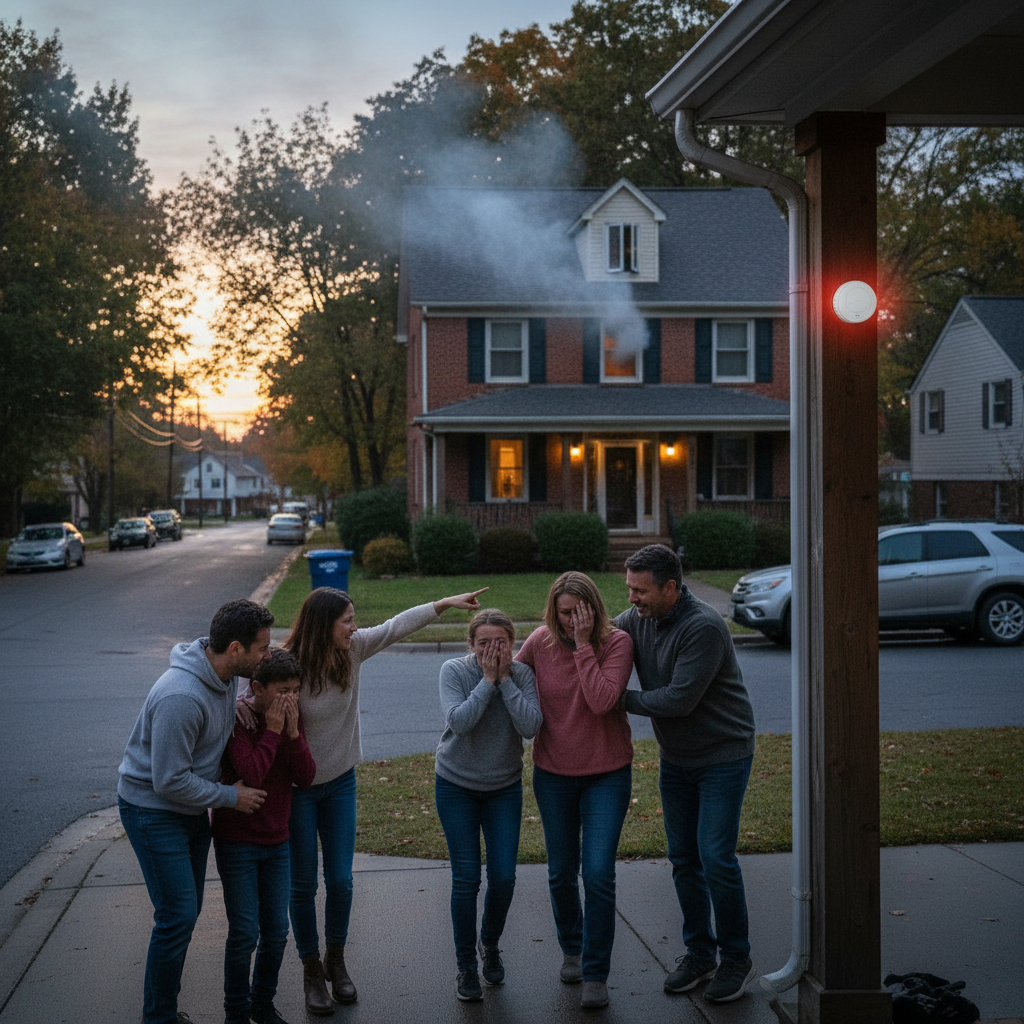
Neighbourhood Heroes in Fires: The Importance of Community Mutual Aid and Home Safety
A series of recent fire incidents in Sydney has once again focused public attention on the spirit of community mutual aid and the importance of home safety precautions. These events have not only tested the responsiveness of emergency services but have also showcased the courage and solidarity displayed by ordinary residents in times of crisis. As reported by the Daily Telegraph Sydney on April 27, 2026, in the face of fire, mutual support among neighbours often serves as the first line of defence for protecting lives and property.
Community Mutual Aid: A Lifeline in Crisis
While professional fire rescue personnel are undoubtedly the backbone during a fire, the rapid response and effective collaboration among neighbours are equally crucial. For example, in a recent residential fire in Western Sydney, neighbours quickly organised before the fire brigade arrived, helping trapped families evacuate and using garden hoses to initially control the blaze, buying valuable time for professional rescue efforts. This spontaneous act of mutual aid embodies the core value of Community Resilience.
Historical experience shows that in the face of major disasters, a community's internal organisation and coordination capabilities directly impact the efficiency of rescue efforts and the extent of damage. For instance, during Australia's Black Summer bushfires of 2019-2020, many residents in remote areas relied on neighbourly support groups to self-rescue and protect their homes under extreme conditions. This model is particularly prevalent in Australia's rural and suburban communities, fostering a unique culture of "Bushfire Preparedness".
Home Safety: The Key to Proactive Prevention
While community mutual aid is inspiring, it is even more critical to prevent fires at their source and ensure homes are equipped with adequate safety measures. According to data from the Australian Bureau of Statistics (ABS), electrical faults, careless cooking, and improper use of heating appliances are the top three leading causes of residential fires. Here are key aspects to enhance home safety:
1. Fire Detection and Alarm Systems
Installing and regularly checking Smoke Alarms is the most basic and crucial measure for residential fire prevention. According to recommendations from Fire and Rescue NSW, all homes should have smoke alarms installed in bedroom areas and connecting hallways on every level, and ensure they are in good working order. Batteries should be replaced annually, and devices typically have a lifespan of 10 years.
2. Electrical Safety and Wiring Inspections
Old or substandard electrical wiring is a potential fire hazard. Regularly have a qualified electrician inspect your home's wiring, avoid overloading power outlets, and promptly replace damaged electrical appliances. In major cities like Sydney, the electrical systems in many older apartment buildings may be past their service life, requiring even greater attention.
3. Safe Fire Practices
The kitchen is a high-risk area for fires. Never leave cooking unattended, and if a pan catches fire, immediately turn off the heat source and cover it with a lid; never use water to extinguish it. In winter, heating appliances (such as electric heaters, fireplaces) should be kept away from flammable materials and regularly cleaned and maintained.
4. Emergency Escape Plan
Every household should develop a detailed fire emergency escape plan, including at least two escape routes and a designated family meeting point. Conduct regular escape drills to ensure all family members, especially children, know how to evacuate safely in a fire.
5. Building Materials and Fire-Resistant Design
When building or renovating a home, selecting building materials with good fire-resistant properties is crucial. For example, using fire-rated plasterboard, fire doors, and structural materials that comply with the BCA (Building Code of Australia) can effectively slow the spread of fire, gaining more time for occupants to escape and for fire rescue efforts.
Impact of Fires on the Australian Property Market
Fires not only cause loss of life and property but also have an indirect impact on Australia's property market. Frequent fire incidents can lead to increased insurance premiums, especially for properties located in high-risk areas (such as bushfire-prone zones). Furthermore, the cost and time for rebuilding damaged homes can increase, affecting property values and transactions. In densely populated cities like Sydney, the impact of fires on the living environment and community morale should not be underestimated.
Future Outlook and Recommendations
Facing increasingly complex fire risks, future home safety requires more systematic solutions:
- Smart Home Fire Systems: Integrating IoT technology to achieve multi-dimensional monitoring of smoke, temperature, and gas leaks, with connectivity to mobile apps for remote alerts and control.
- Normalisation of Community Fire Drills: Government and community organisations should regularly host fire safety workshops and escape drills to enhance residents' emergency response capabilities.
- Continuous Updates to Building Codes: As new materials and technologies emerge, building codes should be revised promptly to adapt to evolving fire safety needs.
For Australian families, investing in home safety is by no means an extra expense, but rather the wisest protection for life and property. Whether it's installing the latest smoke alarms or participating in community fire drills, every effort will add a layer of safety to our shared homes.
In terms of home safety and construction, companies like EASOVA, which focus on efficient, high-quality construction, also incorporate the latest fire safety standards and technologies into their design and construction processes, providing Australian families with safer living options.
Related Articles

EASOVA's Mission: Making Granny Flats the First Breakthrough in Australia's Housing Revolution
EASOVA's mission is not just to build granny flats, but to use them as a starting point to propel Australian housing into the next generation of upgrades. We believe that granny flats are the most suitable real-world scenario for first introducing fifth-generation housing concepts and smart systems. They can not only increase space and rental income but also become a vehicle for residential technology, integrating high-performance construction, age-friendly design, intelligent operation and maintenance, and continuous upgrade capabilities. To truly achieve this goal, we must integrate four core capabilities: structural design, customer decision-making, AI software and hardware, and financial support, to create a complete product system that is approvable, deliverable, and sustainably evolving.
22 Apr 2026
Canavan's Anti-Immigration Rally: Australia's Population Debate
Recent anti-immigration rallies initiated by Senator Matt Canavan have once again pushed Australia's population policy into the spotlight. This article deeply analyses the economic and social drivers behind these rallies, and explores their profound impact on Australia's future demographic structure, economic development, and social cohesion.
27 Apr 2026
2026 World Cup: Global Football Economy Amidst Soaring Ticket Prices & Injury Crisis
As the 2026 FIFA World Cup approaches, a wave of injuries and exorbitant ticket prices for the final are drawing widespread attention. This article delves into the economic drivers behind major sporting events, the ticket market mechanisms, player health challenges, and their potential impact on the global economy, particularly Australia.
27 Apr 2026