Melbourne's Pricy Land: How Scarcity Reshapes Urban Living
Melbourne's land prices have surged, making it one of Australia's most expensive cities. This article delves into the economic, demographic, and policy drivers behind land scarcity, exploring its profound impact on urban planning, housing affordability, and residents' lifestyles, while also looking ahead to the evolution of future living models.

Melbourne's Sky-High Land Prices: How Land Scarcity is Reshaping Urban Living Patterns
Imagine buying not a house, but a vacant block of land in Melbourne, and its price leaves you speechless. This is not a fantasy, but a true reflection of Melbourne's current property market. According to a Domain report published on 13 April 2026, Melbourne's land prices have reached astonishing heights, making it one of Australia's most expensive cities for land. This is more than just a numerical change; it is profoundly reshaping the city's living patterns and future development trajectory.
Deep Reasons Behind Soaring Land Prices
The surge in Melbourne's land prices is not due to a single factor, but rather a confluence of multiple forces:
-
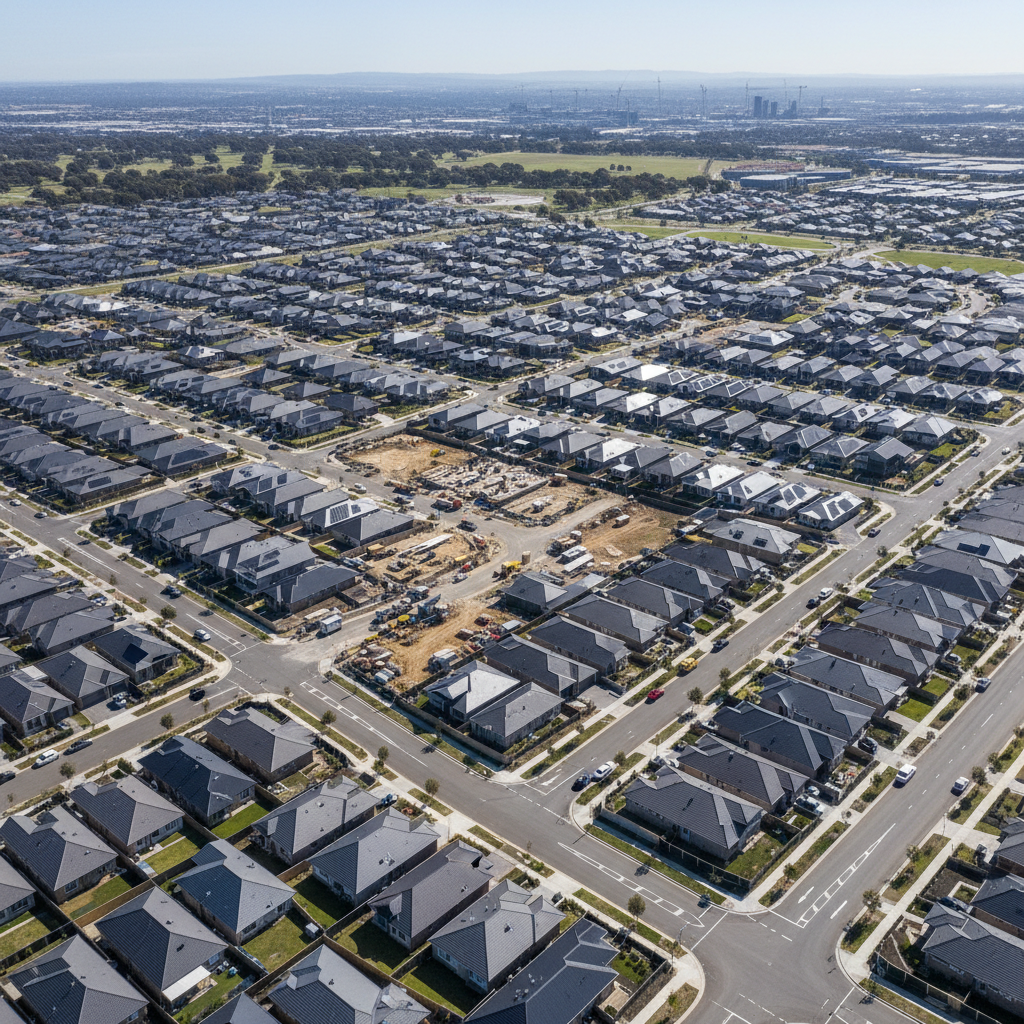
Continued Population Growth and Urban Expansion Limits: As one of Australia's fastest-growing cities, Melbourne attracts a large number of domestic and international migrants each year. This influx of people directly drives up demand for housing. However, the supply of developable land in the city is constrained by geography, planning, and infrastructure. For example, the Green Wedge policy aims to protect agricultural and natural areas, but it also implicitly limits the city's endless outward expansion, making land in central areas and inner suburbs increasingly scarce.
-
Low-Interest Rate Environment and Investment Boom: In recent years, global and Australian central banks' low-interest rate policies have reduced borrowing costs, stimulating property investment. Investors view land as a premium asset for capital preservation and appreciation, further pushing up land prices. Especially amidst inflation expectations, land's appeal as a tangible asset becomes even more prominent.
-
Development Costs and Infrastructure Investment: As cities expand outwards, new development projects often require more expensive infrastructure investment, such as roads, utilities, and sewerage. These costs are ultimately passed on to land prices. Furthermore, rising construction material and labour costs also indirectly affect the final sale price of land.
-
Planning Policies and Approval Processes: Strict zoning regulations, complex development approval processes, and constantly evolving building standards can all slow down the pace of new housing supply, thereby exacerbating land scarcity and driving up the value of existing land.
Historical Comparison: From the "Australian Dream" to "High-Density Living"
Historically, Australians widely pursued the "quarter-acre block" detached house dream. In the mid-to-late 20th century, Melbourne's suburbanisation accelerated, with a large number of detached houses springing up, and land was relatively cheap and readily available. However, compared to today's Melbourne, we see a starkly different picture. In Sydney, a similar situation has long occurred, where high land prices have forced residents to transition to high-density housing such as apartments and townhouses. Melbourne is following in its footsteps, and in some areas, land prices have even surpassed Sydney's.
For example, in the early 2000s, a 500-square-metre block of land in an outer Melbourne suburb might have cost around AUD 200,000. Today, a similar-sized block in popular areas can easily exceed AUD 1 million, or even higher. This change forces homebuyers to re-evaluate their living choices.
Impact of Land Scarcity on Urban Living Patterns
-
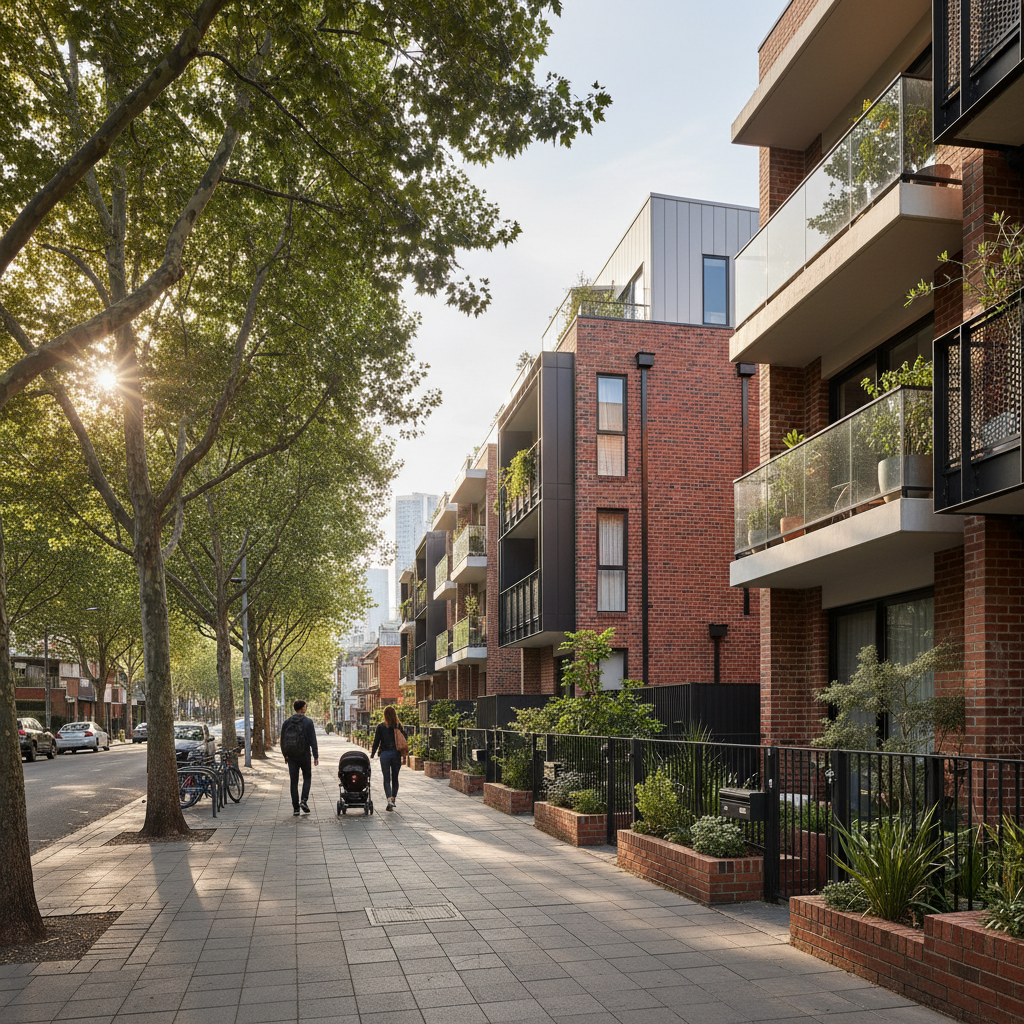
High-Density Housing Becomes Mainstream: With the soaring price of land for detached houses, high-density housing such as apartments, townhouses, and duplexes will become the mainstream of Melbourne's future housing market. This not only utilises limited land resources more efficiently but also, to some extent, alleviates housing affordability issues.
-
Verticalisation and Intensification of Urban Planning: Urban development will shift from traditional horizontal expansion to vertical development and internal intensification. This means more multi-storey buildings, mixed-use developments, and upgrades to existing infrastructure. Governments and developers will be more inclined to pursue high-density development in areas with convenient transport to reduce commuting times and carbon emissions.
-
Worsening Housing Affordability Challenges: Although high-density housing offers more options, the overall increase in land costs will continue to push up property prices. For first-home buyers and low-income households, the dream of homeownership will become even more distant. This may lead more people to choose long-term renting or be forced to move to more distant areas, increasing commuting burdens.
-
Lifestyle Changes: The traditional scenes of backyard barbecues and children playing on the lawn might gradually diminish. Residents will increasingly rely on public spaces, community parks, and shared facilities. Urban living will place greater emphasis on convenience, community interaction, and cultural experiences, rather than the size of private land.
Future Predictions and Response Strategies
Looking ahead, Melbourne's land scarcity issue will persist and may evolve in the following ways:
- Scenario 1: Continued High-Density Development. The Melbourne government will further relax floor space ratio limits in some areas, encouraging developers to build more high-rise apartments and townhouses. Areas near city centres and transport hubs will become key targets for high-density development.
- Scenario 2: Rise of Satellite Cities and Regional Centres. To alleviate pressure on the central city, the government may increase investment in surrounding satellite cities and regional centres, improving their infrastructure and employment opportunities to attract some of the population to relocate.
- Scenario 3: Innovative Housing Solutions. As land costs increase, the market will see more innovative housing solutions, such as micro-apartments, co-living spaces, and more efficient prefabricated construction.
For Australian residents, understanding these trends is crucial. Homebuyers may need to adjust their expectations for the "ideal home" and consider smaller, more compact living spaces. Investors should focus on key urban planning areas and emerging high-density development projects.
In this context, the construction industry also faces transformation. For example, prefabricated construction technology, with its advantages of efficiency, environmental friendliness, and controllable costs, shows great potential in addressing land cost pressures and the demand for rapid construction. By completing most of the construction work in factories, on-site construction time can be significantly reduced, waste minimised, and some of the rising land and labour costs potentially offset. EASOVA, an Australian prefabricated housing company based in Sydney, uses this innovative model to provide efficient and high-quality building solutions for the market, helping Australian families achieve their dream of homeownership in an ever-changing property market.
Melbourne's sky-high land prices are a signal, foreshadowing a profound transformation in Australia's urbanisation process. Understanding these changes is essential to better adapt to and shape future urban life.
Related Articles

2026 Tech M&A: Why China Blocked Meta's Manus AI Acquisition
In April 2026, Chinese regulators blocked Meta's US$2 billion acquisition of Singaporean AI startup Manus, sending shockwaves through the global tech industry. This article delves into the geopolitical, data security, and market competition considerations behind this move, and explores its potential impact on the global tech investment landscape and the Australian economy.
27 Apr 2026
Apple's New CEO John Ternus: A Tech Giant's New Chapter
On September 1, 2026, John Ternus will succeed Tim Cook as Apple's next Chief Executive Officer. This article will delve into Ternus's background, the strategic shifts he might bring, and the potential impact of this leadership change on the global technology industry, supply chains, and even the Australian economy.
21 Apr 2026
Small Cities, Big Returns: Australia's Regional Property Boom and Lifestyle Shift
The pandemic has accelerated the trend of Australia's population migrating to regional centres, with the widespread adoption of remote work, cost of living considerations, and the appeal of liveable environments collectively driving significant growth in regional property markets. This article delves into an in-depth analysis of this phenomenon and its profound socio-economic impacts on Australia.
9 Apr 2026