Global Trade War Looms: How China Steel Tariffs Impact Australian Infrastructure?
As global trade tensions escalate, adjustments to China's steel tariff policy are posing a potential impact on Australian infrastructure construction costs. This article delves into the economic logic behind the tariffs, examines historical cases, and forecasts their profound effects on Australia's construction industry.
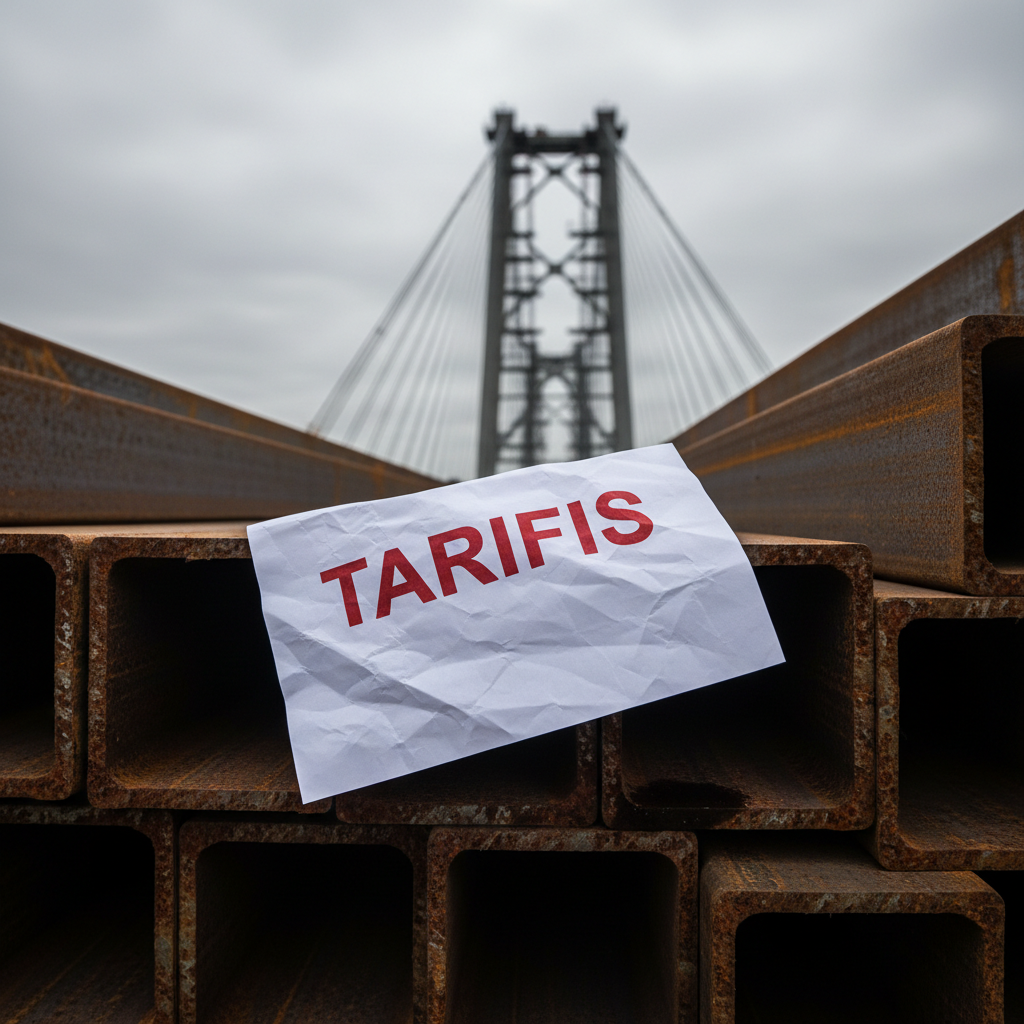
Global Trade War Shadows Resurface: How Chinese Steel Tariffs Impact Australian Infrastructure
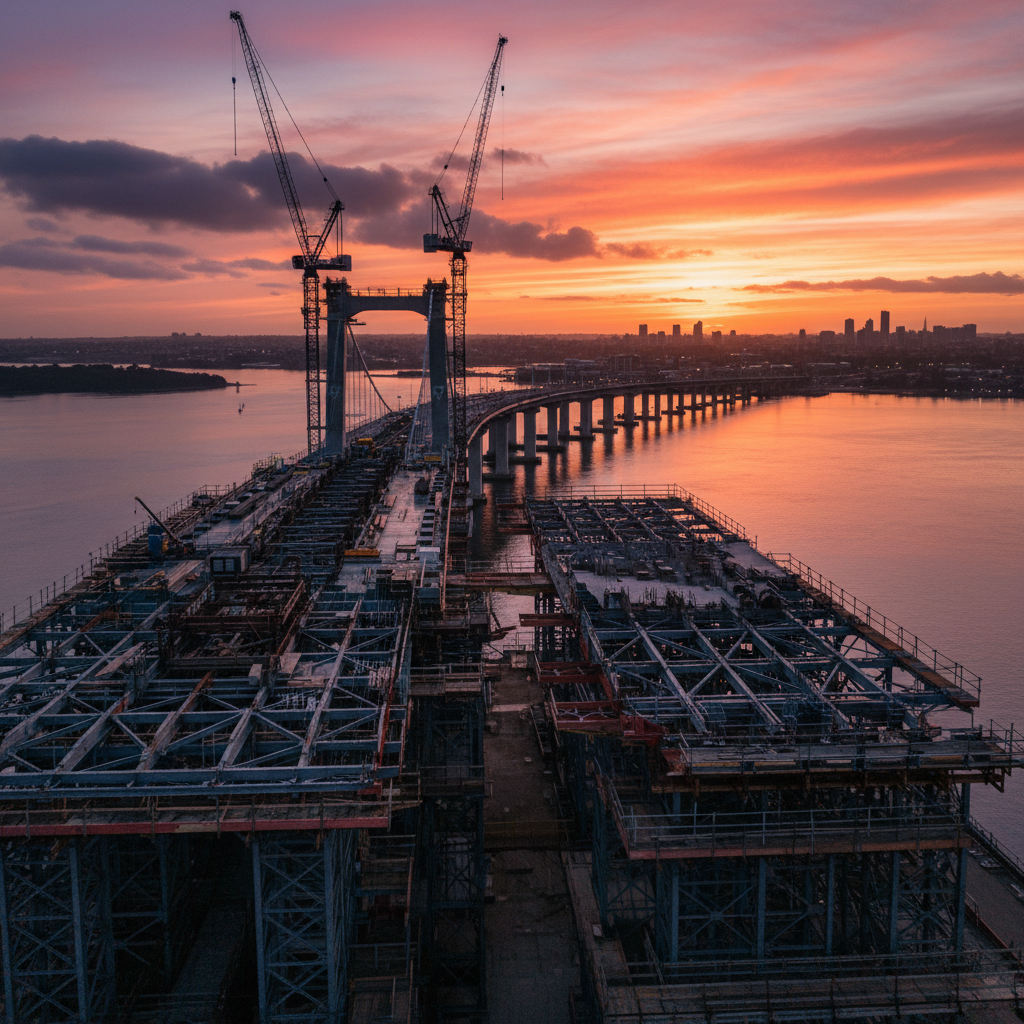
In an April 21, 2026 report by the Australian Financial Review (AFR), global trade tensions have once again taken centre stage, with tariff policies related to Chinese steel, in particular, sparking widespread concern in the market regarding their impact on global supply chains and national economies. For Australia, which relies heavily on imported steel, this change will undoubtedly have a profound impact on infrastructure construction costs.
Trade Friction Escalates: Steel Becomes the Focus
In recent years, global trade protectionism has been on the rise, with governments worldwide taking measures to protect their domestic industries. Steel, as a crucial industrial raw material, often becomes the focus of international economic competition due to its trade policies. As the world's largest steel producer and exporter, China's pricing and export strategies for steel products have a pivotal influence on the global market. When other countries impose high tariffs on Chinese steel products, their objective is typically to protect their domestic steel industries from the impact of low-priced imports, or to use it as a geopolitical tool.
According to AFR's analysis, the current tariff adjustments are not isolated incidents but rather a manifestation of structural contradictions in the global economy and geopolitical competition. The direct consequence of such policies is an increase in the cost of imported steel, thereby affecting downstream industries, particularly those with high steel demand such as infrastructure construction and property development.
In-depth Market Research: Australian Steel Supply, Demand, and Price Trends
While Australia possesses abundant iron ore resources, it remains highly dependent on imports for steel products, especially certain specifications and high-value-added steel. China is one of Australia's significant steel product suppliers. Should Chinese steel prices rise or supply become restricted due to tariff barriers, the Australian market will face the following challenges:
- Increased Import Costs: Tariffs directly increase the landed cost of imported steel. For example, if tariffs increase by 10%-25%, the cost of corresponding products will directly increase by the same proportion. This includes not only the tariffs themselves but also potential increases in logistics, insurance, and compliance costs due to trade barriers.
- Supply Chain Diversification Pressure: To mitigate risks, Australian importers may seek to import steel from other countries (such as South Korea, Japan, India, or Europe). However, this could lead to extended procurement cycles, increased initial costs, and the capacity and pricing of alternative suppliers may not fully meet the demands of the Australian market.
- Opportunities and Challenges for Local Producers: Tariffs may provide some market space for Australian domestic steel producers (such as BlueScope Steel). However, local capacity is limited, and production costs are typically higher than in China, making it difficult to fully fill the import gap in the short term. This could instead lead to overall market price increases.
Historical data shows that during the US-China trade war in 2018-2019, global steel prices experienced significant fluctuations. For example, the 25% tariffs imposed by the US on imported steel at the time led to a surge of over 20% in domestic US steel prices. Although Australia was not directly involved, the global price linkage effect caused it to feel the pressure as well.
Impact Chain Analysis: From Steel to Australian Infrastructure
Steel is the "skeleton" of the construction industry, widely used in various infrastructure projects such as bridges, roads, railways, high-rise buildings, and ports. The adjustment of Chinese steel tariffs has a clear impact chain:
- Rising Raw Material Costs: Increased steel prices directly push up the material costs of construction projects. For instance, a large bridge project might require tens of thousands of tonnes of steel; a price increase of a few hundred Australian dollars per tonne would lead to an increase of millions or even tens of millions of Australian dollars in the total project cost.
- Construction Company Profit Margins Squeezed: Under fixed-price contracts, construction companies will have to absorb the increased costs, leading to severely compressed profit margins. For new projects, they will have to raise their bids to cover the risk, which in turn will further push up total project costs.
- Government Budget Pressure: Australian federal and state governments invest tens of billions of Australian dollars annually in infrastructure development. Rising material costs mean fewer projects can be completed within a given budget, or additional budget allocations will be required, placing an extra burden on public finances.
- Project Delays and Cancellation Risks: Soaring costs could lead to the postponement or even cancellation of some non-urgent projects, affecting economic development and employment.
- Impact on the Property Market: While infrastructure construction differs from residential building, rising steel prices will also transmit to the residential construction sector, increasing housing construction costs, which may ultimately be reflected in house prices, further exacerbating Australia's housing affordability issues.
Future Outlook and Australian Response Strategies
Facing the uncertainties brought by global trade friction and steel tariffs, the Australian market might experience several scenarios:
- Scenario One: Short-term Impact and Market Adaptation. If tariff adjustments are short-term or localised, the Australian market may absorb some costs by seeking alternative suppliers and optimising procurement strategies. Infrastructure project costs might rise by 5%-10% in the short term but stabilise in the long run.
- Scenario Two: Long-term High-Cost Environment. If trade protectionism becomes the norm and alternative supplies are insufficient, Australia will face persistently high steel import costs. Infrastructure project costs could continuously rise by 10%-20%, forcing the government to re-evaluate project priorities and investment scales.
- Scenario Three: Local Industry Support and Technological Innovation. To reduce external reliance, Australia may increase investment in domestic steel production and recycling technologies, encourage the use of lighter, more efficient alternative materials, or develop prefabricated, modular construction techniques to reduce on-site construction costs.
Impact on Australian Households and Businesses
For Australian households, rising infrastructure costs may ultimately manifest indirectly through higher taxes, slower upgrades to public services, or even higher house prices. For businesses, particularly builders and developers, they will face greater pressure on cost control and increased market uncertainty.
In this context, seeking cost-effective and short-build-time construction solutions becomes particularly important. For example, prefabricated construction, with its factory-based production, standardised processes, and optimised material utilisation, can, to some extent, mitigate the risks of material price fluctuations during on-site construction and improve construction efficiency. Companies like EASOVA in Sydney are promoting efficient prefabricated building solutions, helping clients achieve a balance between cost control and project quality in a constantly changing construction market.
In summary, with the shadow of a global trade war once again looming, the impact of adjustments to Chinese steel tariffs on Australian infrastructure construction costs should not be underestimated. The Australian government, businesses, and consumers all need to closely monitor developments and actively seek response strategies to ensure stable economic growth and sustainable development.
Related Articles

EASOVA's Mission: Making Granny Flats the First Breakthrough in Australia's Housing Revolution
EASOVA's mission is not just to build granny flats, but to use them as a starting point to propel Australian housing into the next generation of upgrades. We believe that granny flats are the most suitable real-world scenario for first introducing fifth-generation housing concepts and smart systems. They can not only increase space and rental income but also become a vehicle for residential technology, integrating high-performance construction, age-friendly design, intelligent operation and maintenance, and continuous upgrade capabilities. To truly achieve this goal, we must integrate four core capabilities: structural design, customer decision-making, AI software and hardware, and financial support, to create a complete product system that is approvable, deliverable, and sustainably evolving.
22 Apr 2026
2026 Australia Electric Pickup Market Outlook: Tech Innovation & Mobility Shift
Australia's electric vehicle market is poised for a major transformation as Mazda considers introducing several electric pickups, including the Deepal E07. This article provides an in-depth analysis of the technical trends and market competitive landscape for electric pickups in 2026, and their impact on Australia's future mobility, logistics, and construction sectors.
2 May 2026
May Day General Strike: Global Labor Movement's Impact on Australia
On May 1, 2026, a nationwide general strike initiated by the "May Day Strong" organisation is brewing in the United States and other regions. This article provides an in-depth analysis of the background and demands of this global labour movement, and explores its potential profound impacts on Australia's economy, labour market, and social structure, including supply chain disruptions, inflationary pressures, and the evolution of industrial relations.
2 May 2026