Creating Livable Backyard Homes Amid Urban Security Challenges
With accelerating urbanization, granny flats are becoming increasingly popular as a solution to housing pressure. However, amidst urban safety challenges such as rising crime rates and privacy infringements, ensuring the safety and comfort of granny flat residents has become a critical issue that both owners and planners must address.
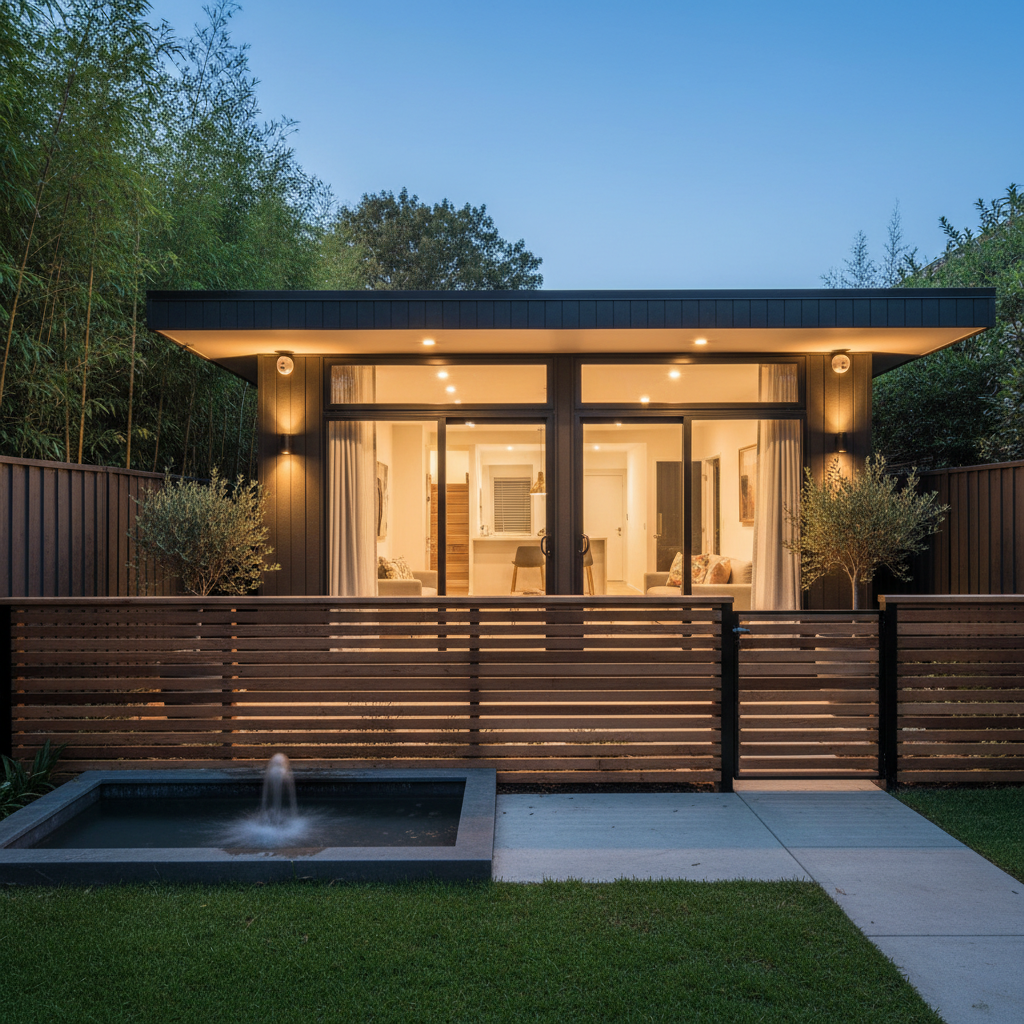
How to Create Livable Spaces in Granny Flats Amidst Urban Security Challenges
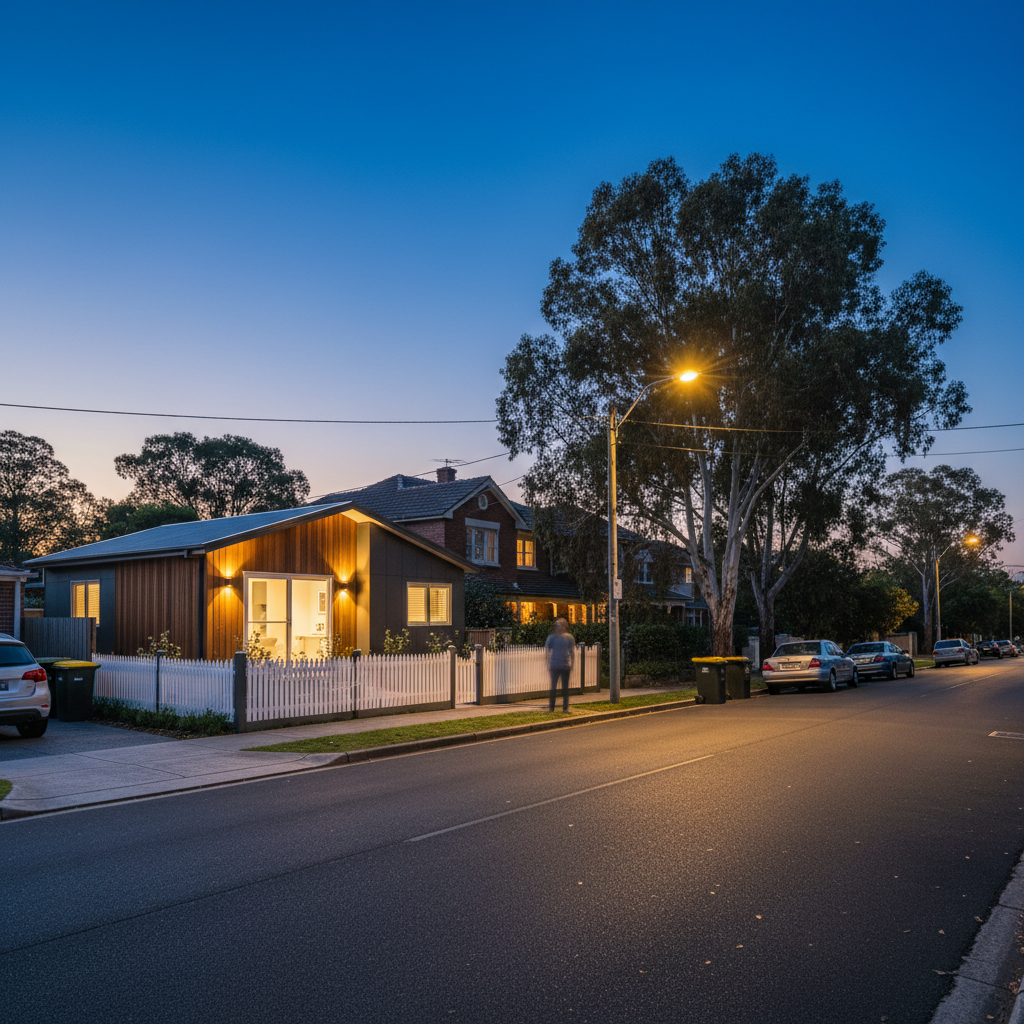
With the accelerating pace of global urbanisation, land resources are becoming increasingly scarce, especially in major metropolitan areas like Sydney, where housing pressure continues to mount. Granny flats, as a solution for efficiently utilising existing land and increasing living space, are becoming increasingly popular. However, while enjoying the convenience and economic benefits they offer, the increasingly complex urban security challenges also bring new considerations for the livability of granny flats. From home invasions to privacy infringement, how to create comfortable and pleasant backyard living spaces while ensuring residential security is an urgent issue that homeowners and planners need to address.
The Severity of Urban Security Challenges
According to a News.com.au report on May 3, 2026, major Australian cities, including Sydney, are facing a trend of rising crime rates, particularly an increase in home invasions and property crime in certain areas. This not only poses a threat to standalone houses but also makes security an especially prominent concern for granny flats, which are typically separate from the main dwelling and may be more easily targeted. Furthermore, increased population density also brings challenges to privacy protection; maintaining personal space in a high-density living environment is an indispensable aspect of granny flat design.
Data Insights:
- Rising Crime Rates: Australian Bureau of Statistics (ABS) data shows that in recent years, home invasion cases have been on the rise in some states and regions, especially during periods of economic downturn or increased social pressure. For example, in New South Wales (NSW), property crime rates in certain areas have increased by approximately 8-12% over the past five years.
- Decreased Sense of Community Safety: A survey of Sydney residents revealed that approximately 35% of respondents expressed concern about night-time safety in their residential communities, a proportion that has increased over the past decade.
- Privacy Demand: With increased remote work and time spent at home, residents' demand for privacy and quietness in their living environment has reached new heights.
Historical Comparison: From "Backyard Paradise" to "Security Fortress"
In the past, granny flats were primarily seen as extended spaces for family members or simple rental units, with their design philosophy focusing on functionality and economy. While security considerations existed, they were not a core concern as they are today. However, with changes in urban social structures and the evolution of crime patterns, modern granny flat design must shift from passive defence to proactive prevention. This is similar to the mid-20th century when intercom systems and access controls became common in urban apartment buildings to address growing urban security issues.
Key Strategies for Creating Safe and Livable Granny Flats
To address these challenges, granny flat design and planning need to integrate multi-faceted security and livability strategies:
-
Enhanced Physical Security:
- High-Strength Doors and Windows: Select security doors and windows that comply with Australian security standards, such as multi-point locking systems and shatter-resistant glass.
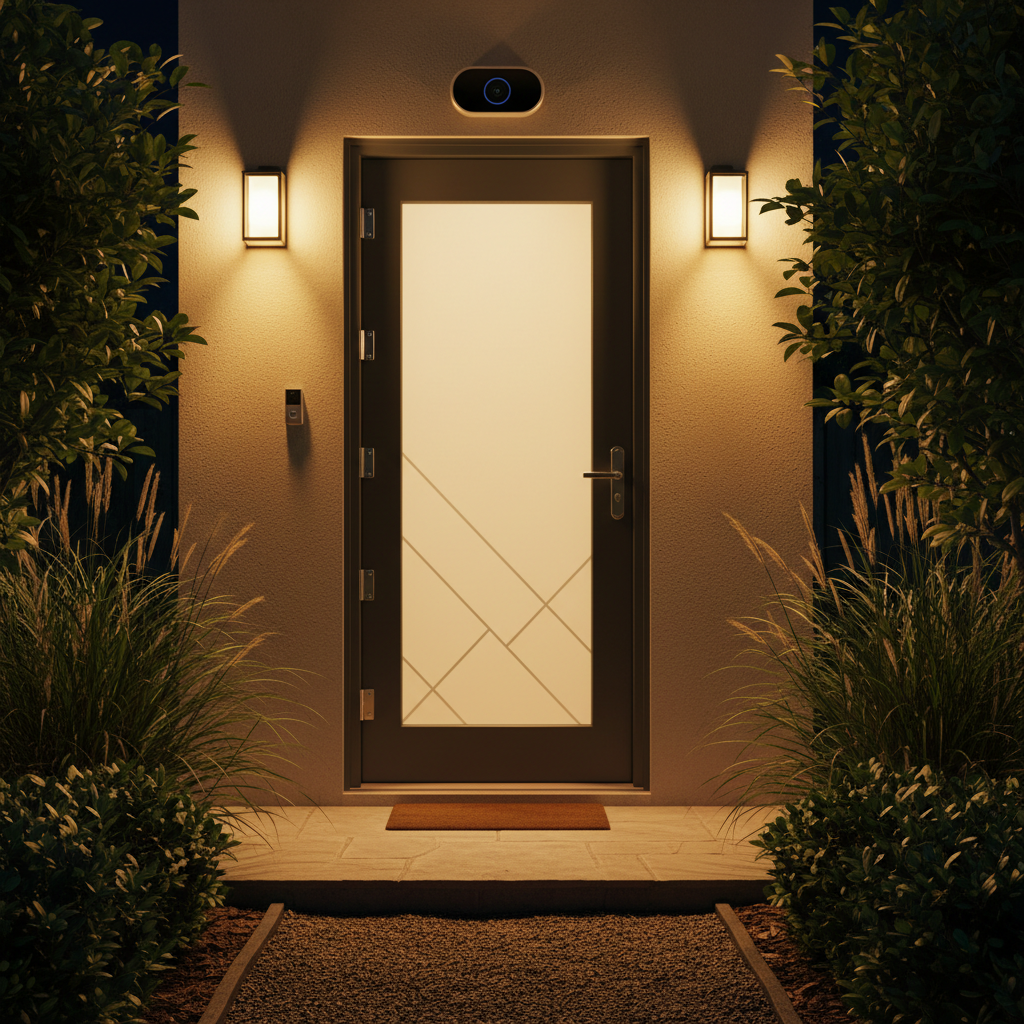
- Smart Security Systems: Install smart cameras with motion detection, alarm systems, and integrate them with mobile apps for remote monitoring. For example, some systems can even be integrated into smart home platforms for intelligent control of lighting and door locks.
- Lighting Design: Install sensor-activated lighting at entrances, around windows, and along pathways. This provides convenience at night and effectively deters potential intruders.
- Fencing and Landscaping: Reasonably placed fences and greenery can define private space while avoiding blind spots, thereby increasing the sense of security.
-
Privacy Protection and Space Optimisation:
- Layout Planning: There should be sufficient distance between the granny flat and the main dwelling, with physical separation provided by green belts, soundproof walls, etc., to minimise mutual disturbance.
- Window Orientation and Shading: Window design should consider orientation to avoid direct sightlines with neighbours or the main house. Frosted glass, blinds, or heavy curtains can be used to provide flexible privacy control.
- Soundproofing: Employ high-efficiency soundproofing materials, such as double glazing and acoustic wall panels, to reduce external noise interference and enhance living comfort.
- Independent Access: Where possible, establish separate entrances and pathways to increase residents' autonomy and privacy.
-
Community Engagement and Smart Technology:
- Community Integration: Encourage granny flat residents to participate in community activities, build good neighbourly relationships, and form a mutually supportive community safety network.
- Smart Home Integration: Integrate security, lighting, climate control, and other systems into a unified smart home platform. Through automation and remote control, this enhances living convenience and safety.
Future Outlook and Impact on the Australian Property Market
In the coming years, with continued urban population growth and high land costs, granny flats will remain an important housing solution in Australia, especially in core cities like Sydney. We anticipate:
- Security Technology Integration as Standard: Smart security systems will transition from "optional extras" to "standard features," and consumers will demand higher security performance from granny flats.
- Customisation and Modularity Coexist: The market will see more customised security solutions, while prefabricated granny flats will integrate advanced security technologies into their production processes through standardised designs, offering cost-effective and secure options.
- Stricter Policies and Regulations: Governments may introduce more stringent building safety regulations to address urban security challenges and ensure the quality of living in granny flats.
For the Australian property market, security and livability will become key factors in valuing granny flats. A well-designed, safe, and reliable granny flat can not only generate considerable rental income for owners but also significantly enhance the overall property value.
In today's complex and ever-changing urban environment, creating a granny flat that offers both security and a comfortable experience is undoubtedly a wise move to improve quality of life and achieve asset appreciation. This requires us to prioritise security and livability in every aspect, from planning and design to construction. For example, EASOVA, an Australian-based prefabricated housing company, is dedicated to combining advanced construction techniques with security design concepts to provide customers with high-quality granny flat solutions that balance aesthetics, functionality, and safety, helping Australian families create ideal living spaces amidst urban challenges.
Related Articles
Tasmania's Backyard Home Revolution: Prefabrication Reshaping Australian Housing?
Tasmania is leading a granny flat revolution, combining traditional construction with modern prefabricated technology. This article delves into how this trend is impacting the Australian property market, from construction costs and approval processes to sustainability, and explores its profound implications for housing solutions in Sydney and across the nation.
8 Apr 2026Climate-Resilient Prefab ADUs: Facing Extreme Weather
With the increasing frequency of extreme weather events in Australia, the construction industry is facing severe challenges. This article delves into the unique advantages of prefabricated granny flats in enhancing climate resilience, exploring how they offer safer, more sustainable living options for families in Sydney and across Australia, from materials to construction processes. It also looks ahead to future building trends, incorporating insights from the latest industry reports.
7 Apr 20262026 Sydney Backyard Home Design Trends: Small Space, Big Wisdom
Explore the latest design trends for Sydney granny flats in 2026, focusing on how to maximise limited space. From multi-functional furniture to smart home technology, discover how to create efficient, comfortable, and CDC-compliant modern granny flats that enhance property value.
6 Apr 2026