Climate-Resilient Prefab ADUs: Facing Extreme Weather
With the increasing frequency of extreme weather events in Australia, the construction industry is facing severe challenges. This article delves into the unique advantages of prefabricated granny flats in enhancing climate resilience, exploring how they offer safer, more sustainable living options for families in Sydney and across Australia, from materials to construction processes. It also looks ahead to future building trends, incorporating insights from the latest industry reports.
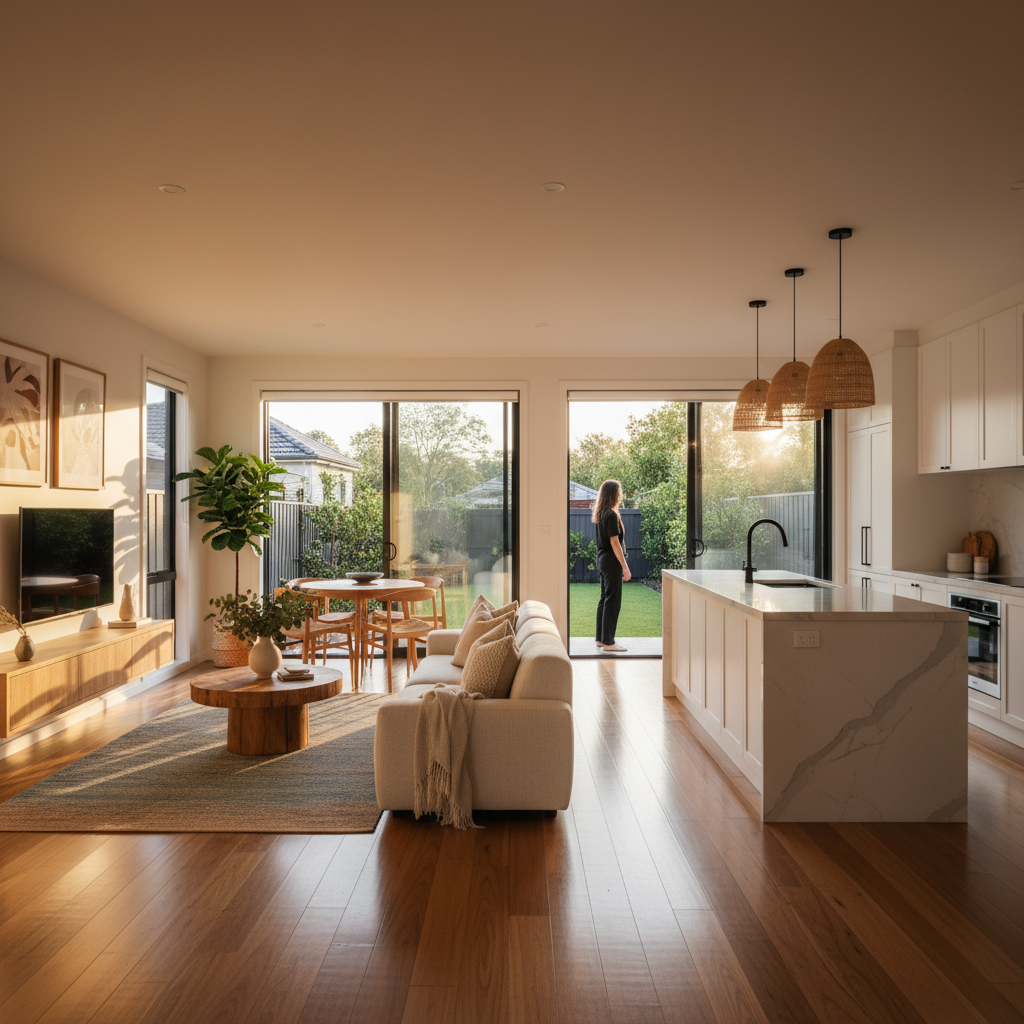
Climate-Resilient Buildings: How Prefabricated Granny Flats Tackle Extreme Weather Challenges
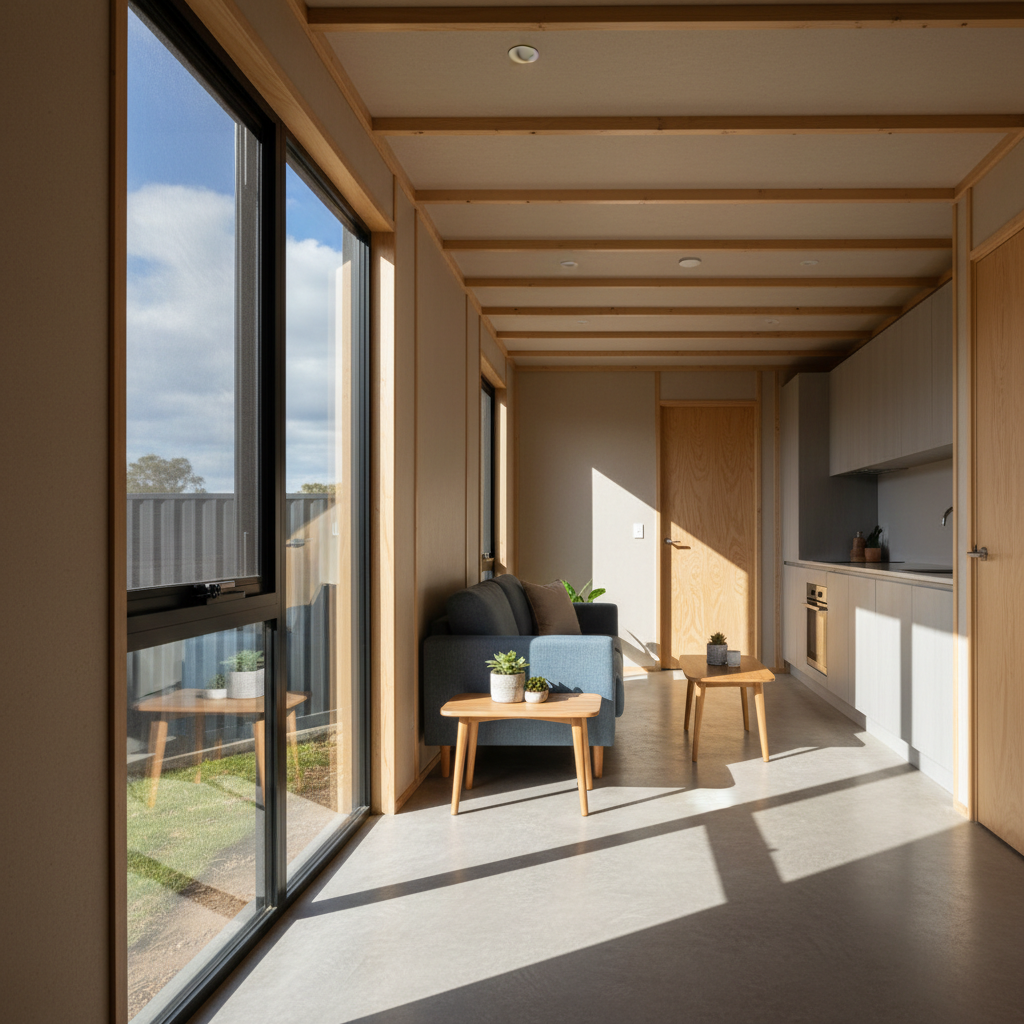
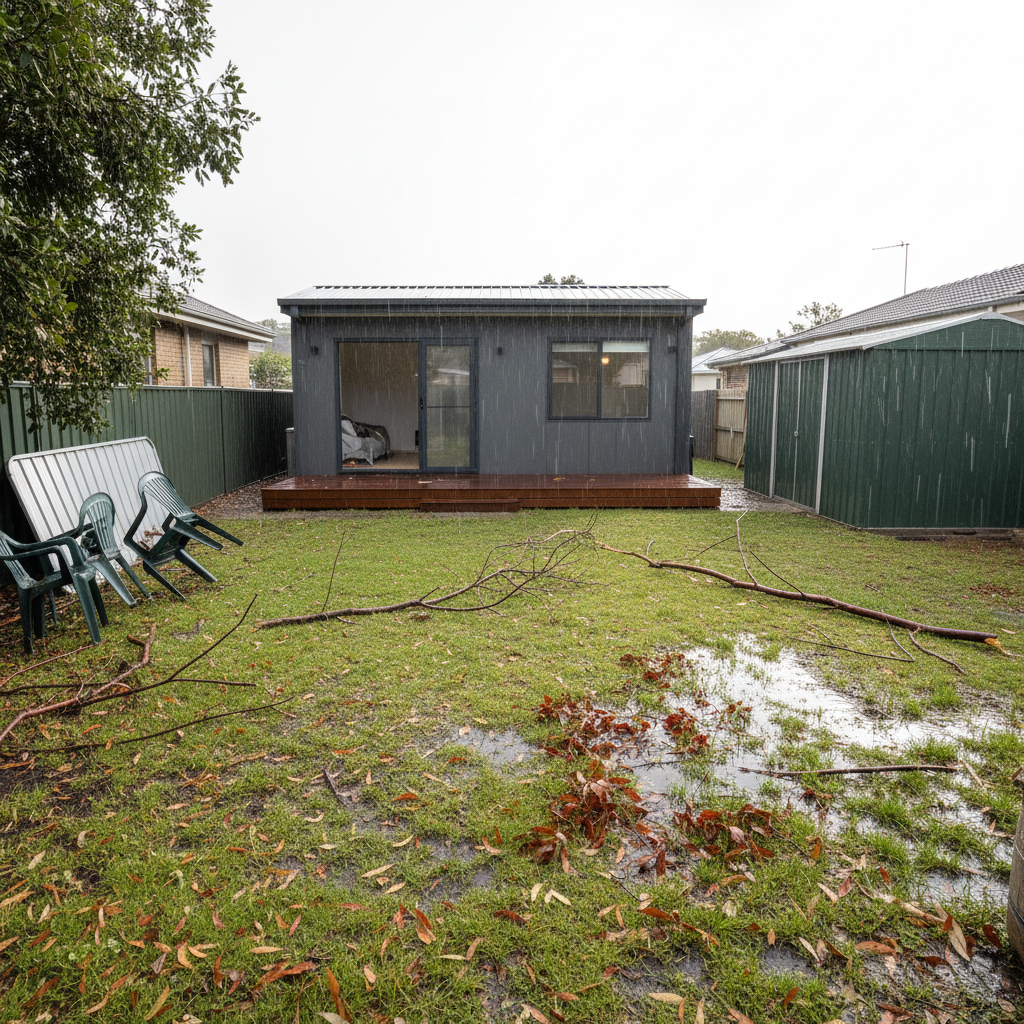
News Hook: Prefabricated Construction Leads a New Trend in Climate Resilience
A recent in-depth report published by the authoritative industry media Built Offsite on March 27, 2026, has once again brought "climate-resilient buildings" to the forefront. The report highlights the critical role of offsite construction in responding to increasingly frequent and severe extreme weather events, pointing out that factory-built models can significantly enhance a building's strength, durability, and energy efficiency, thereby better withstanding natural disasters such as floods, bushfires, and strong winds. For Australia, particularly regions like Sydney with variable climates and high risks of natural disasters, this trend undoubtedly points a new direction for the housing and construction industries.
Impact Chain Analysis: The Deep Connection Between Extreme Weather and Australian Property
Australia is one of the countries most significantly affected by climate change globally. In recent years, we have witnessed unprecedented bushfires, devastating floods, and coastal storms. These extreme weather events have not only caused immense loss of life and property but have also had a profound impact on the construction industry and the real estate market:
- Soaring Construction Costs and Supply Chain Disruptions: The surge in post-disaster reconstruction demand has led to rising prices for building materials (such as timber, steel, cement) and labour shortages. At the same time, extreme weather events themselves can disrupt supply chains, further driving up costs and extending project timelines. For example, the 2022 floods in Queensland and New South Wales damaged numerous homes, with reconstruction efforts still ongoing, and construction costs generally increasing by 15-20%.
- Rising Insurance Premiums and Affordability Crisis: As risks increase, home insurance companies have raised premiums, especially in high-risk areas. This directly impacts housing affordability, particularly for first-home buyers and low-income households. Some regions even face the dilemma of insurance companies withdrawing from the market.
- Challenges to Traditional Building Methods: Traditional onsite construction is highly susceptible to weather, prone to delays, and has inherent flaws in material waste and quality control. Faced with the uncertainties brought by climate change, there is an urgent market demand for more efficient, robust, and sustainable building solutions.
- Increased Societal Awareness of "Resilience": Consumers and governments are increasingly prioritising the climate resilience of buildings. This means that future buildings must not only be aesthetically pleasing and functional but also capable of withstanding natural disasters and ensuring residential safety.
Historical Comparison: Learning from Crises
Looking back, the Australian construction industry has always sought transformation amidst major challenges. After the 2008 Global Financial Crisis, the government stimulated infrastructure development through stimulus packages; the COVID-19 pandemic-induced supply chain crisis in 2020 accelerated focus on localised production and efficiency improvements. This current extreme weather challenge shares similarities with these historical events: they all exposed the vulnerabilities of traditional models and prompted the industry to move towards greater resilience and sustainability. Prefabricated construction is not a new concept, but its advantages in terms of climate resilience are particularly prominent in the current context.
Data Support: Climate Resilience Advantages of Prefabricated Granny Flats
Prefabricated granny flats, as a factory-built solution, demonstrate numerous unique advantages in responding to extreme weather:
- High-Strength Structure and Quality Control: Prefabricated modules are produced in controlled factory environments, utilising high-precision mechanical cutting and assembly, ensuring the accuracy and overall strength of structural components. For example, EASOVA's prefabricated granny flats are 90% factory-built and can integrate stronger steel or high-strength timber structures, far exceeding the average quality level of onsite construction. This allows them to perform better in the face of strong winds (such as cyclone-level) and earthquakes.
- Excellent Sealing and Insulation: Factory production enables stricter quality control, ensuring the sealing of walls, roofs, and floors. This not only effectively prevents moisture and penetration, reducing flood damage to internal structures, but also significantly improves insulation performance, reducing reliance on air conditioning and heating, and cutting energy consumption by up to 30-50%. This provides a more comfortable indoor environment during heatwaves and winter cold snaps.
- Fire and Pest Treatment: Prefabricated modules can more easily integrate fire-resistant materials and pest treatments, especially in high bushfire risk areas of Australia. For example, using external wall materials with higher fire ratings, flame-retardant insulation, and termite-treated timber or steel.
- Rapid Construction and Post-Disaster Reconstruction: Prefabricated construction has a short build time (EASOVA promises 3-month delivery), significantly reducing onsite construction time and minimising weather delays. In post-disaster reconstruction, rapidly deploying prefabricated homes can quickly provide temporary or permanent accommodation for affected families, alleviating social pressure.
- Sustainability and Resource Efficiency: Factory production reduces onsite waste and optimises material usage. At the same time, prefabricated homes are easier to integrate sustainable technologies such as solar panels and rainwater harvesting systems, aligning with the green development direction of future construction.
Future Outlook: The Rise of Prefabricated Construction
- Policy Support and Standard Upgrades: As the impacts of climate change intensify, governments may introduce more policies encouraging the adoption of climate-resilient building technologies and elevating the requirements for disaster resistance in building codes. Prefabricated construction, due to its controllable quality and efficiency, will more easily meet these new standards.
- Continued Market Share Growth: Consumer demand for safe, efficient, and sustainable housing will drive the growth of the prefabricated construction market share. Especially in major cities like Sydney, where granny flats are an effective solution to housing pressure, their prefabricated model will be even more popular.
- Technological Innovation and Integration: Prefabricated construction will deeply integrate with smart home technology, renewable energy, new materials, and other innovations to provide a more advanced, comfortable, and resilient living experience.
What This Means for Homeowners and Investors
For Australian homeowners and investors, choosing a prefabricated granny flat is no longer just about pursuing cost-effectiveness and quick returns; it is also a wise investment against future risks. It means:
- Higher Asset Preservation: In an era of frequent extreme weather, homes with higher climate resilience will be more attractive, and their value will be more stable.
- Lower Operating Costs: Excellent insulation and sealing performance will significantly reduce utility bills, enhancing the economic viability of living.
- Enhanced Residential Safety: In the face of natural disasters, prefabricated homes can provide more reliable protection, ensuring family safety.
- Faster Return on Investment: Whether as a rental property (providing stable rental income) or providing extra space for family, the rapid delivery (EASOVA 3-month delivery) and fixed price (no unexpected costs) of prefabricated granny flats ensure investment certainty and timeliness.
EASOVA, as a leading supplier of prefabricated granny flats in Sydney, deeply understands the importance of climate resilience for modern homes. Our 90% factory-built model not only guarantees exceptional quality and structural strength but also achieves fixed pricing and rapid delivery without weather delays. By choosing EASOVA, you are not just building a granny flat; you are building a "resilient fortress" for your family and investment, capable of withstanding future challenges.
Related Articles
Tasmania's Backyard Home Revolution: Prefabrication Reshaping Australian Housing?
Tasmania is leading a granny flat revolution, combining traditional construction with modern prefabricated technology. This article delves into how this trend is impacting the Australian property market, from construction costs and approval processes to sustainability, and explores its profound implications for housing solutions in Sydney and across the nation.
8 Apr 20262026 Sydney Backyard Home Design Trends: Small Space, Big Wisdom
Explore the latest design trends for Sydney granny flats in 2026, focusing on how to maximise limited space. From multi-functional furniture to smart home technology, discover how to create efficient, comfortable, and CDC-compliant modern granny flats that enhance property value.
6 Apr 2026