Australia's Strategy in Global Economic Storm: Can Diplomacy Avert Recession?
At a time when the global economy faces recession risks, diplomatic mediation plays a crucial role in stabilising international relations and ensuring the smooth flow of supply chains. This article delves into the current challenges facing the global economy, how Australia is responding through diplomatic strategies, and the potential impacts of these macroeconomic trends on the Australian domestic market, particularly the property and construction sectors.
Australia's Strategy in the Global Economic Storm: Can Diplomatic Engagement Avert a Recession?

The global economy stands at a crossroads. Geopolitical tensions, persistent inflationary pressures, and signs of slowing growth in major economies all point to a potential storm of recession. Against this backdrop, the role of diplomatic engagement has been elevated to an unprecedented level – can it be the key force to prevent an economic downturn, stabilise global trade, and investment? For a country like Australia, which is highly dependent on international trade, understanding and actively participating in global diplomacy and formulating effective economic countermeasures are particularly crucial.
Severe Challenges Facing the Global Economy
According to a report by The Express Tribune on April 12, 2026, the global economy is experiencing multiple shocks. Firstly, geopolitical conflicts and rising trade protectionism have led to persistent tensions in global supply chains and volatile energy and raw material prices. For example, the Russia-Ukraine conflict has not only driven up Europe's energy costs but also impacted global food supplies. Secondly, aggressive interest rate hikes by major central banks to combat inflation, while aimed at stabilising prices, have also increased corporate financing costs and suppressed consumer demand, thereby slowing economic growth. The International Monetary Fund (IMF) has previously lowered its global economic growth forecasts multiple times, warning of an increasing risk of recession.
Historical experience shows that global economic recessions are often accompanied by reduced international cooperation and increased trade barriers. For example, after the 2008 global financial crisis, countries strengthened coordination through platforms like the G20, which helped avert a more severe economic collapse. However, the current international environment is more complex, and multilateralism faces challenges, making the task of diplomatic engagement in coordinating national policies and rebuilding trust even more difficult.
Australia's Economic Resilience and Diplomatic Strategy
Australia's economy is known for its abundant resources and close ties with Asian markets. Over the past few decades, Australia has successfully navigated numerous global economic fluctuations. However, current challenges pose new demands on Australia. As a middle power, Australia is actively seeking stability and growth through multilateral and bilateral diplomatic channels.
- Diversifying Trade Partners: The Australian government is working to reduce its reliance on a single market and actively expand trade relationships with Southeast Asia, India, Europe, and other regions. For example, Free Trade Agreements (FTAs) with India and the UK aim to open new export markets and mitigate the impact of geopolitical risks on supply chains.
- Building Supply Chain Resilience: Australia is investing in areas such as critical minerals processing and renewable energy technologies to enhance the resilience of its domestic industrial chains and reduce import dependence. For instance, government support for the mining and processing of critical minerals like rare earths and lithium aims to establish Australia as a key link in global supply chains.
- Active Participation in International Dialogue: Australia plays an active role in international platforms such as APEC, G20, and the World Trade Organisation (WTO), advocating for open trade and a rules-based international order. Through diplomatic efforts, Australia seeks to collaborate with other countries to address global challenges such as inflation and climate change, thereby creating a more stable external environment for its own economy.
Future Outlook and Impact on the Australian Market
The future direction of the global economy presents multiple possibilities, and the effectiveness of diplomatic engagement will be a critical variable.
- Scenario One: Diplomatic breakthroughs are achieved. If major economies can resolve trade disputes and coordinate monetary policies through dialogue, the global economy is likely to achieve a "soft landing." In this scenario, commodity prices would stabilise, inflationary pressures would ease, Australia's exports would benefit, and economic growth would remain resilient. The Australian property market might experience a moderate adjustment before resuming growth, with less volatility in construction costs.
- Scenario Two: Geopolitical tensions persist, diplomacy stalls. If international conflicts escalate and trade protectionism becomes rampant, the global economy could plunge into a deep recession. This would lead to a decline in demand for commodities, hurting Australian exports and increasing unemployment. In this extreme case, Australia's property market would face significant downward pressure, and the construction industry could be impacted by reduced investment and rising costs.
- Scenario Three: Regional cooperation strengthens, but global coordination is insufficient. Some regions (such as the Indo-Pacific) may address challenges by strengthening internal cooperation, but global coordination remains lacking. As an important member of the Indo-Pacific region, Australia stands to benefit from regional cooperation but must remain vigilant about the risks posed by global economic fragmentation. The Australian property market might show regional disparities, with major cities like Sydney potentially outperforming other areas due to population inflow and local demand.
Implications for Australian Households and Businesses
For Australian households and businesses, global economic uncertainty means a greater need for risk management awareness. A high-interest rate environment may persist for some time, and homebuyers and investors should carefully assess their financial situations. The construction industry faces dual pressures from material and labour costs, requiring more meticulous project planning.
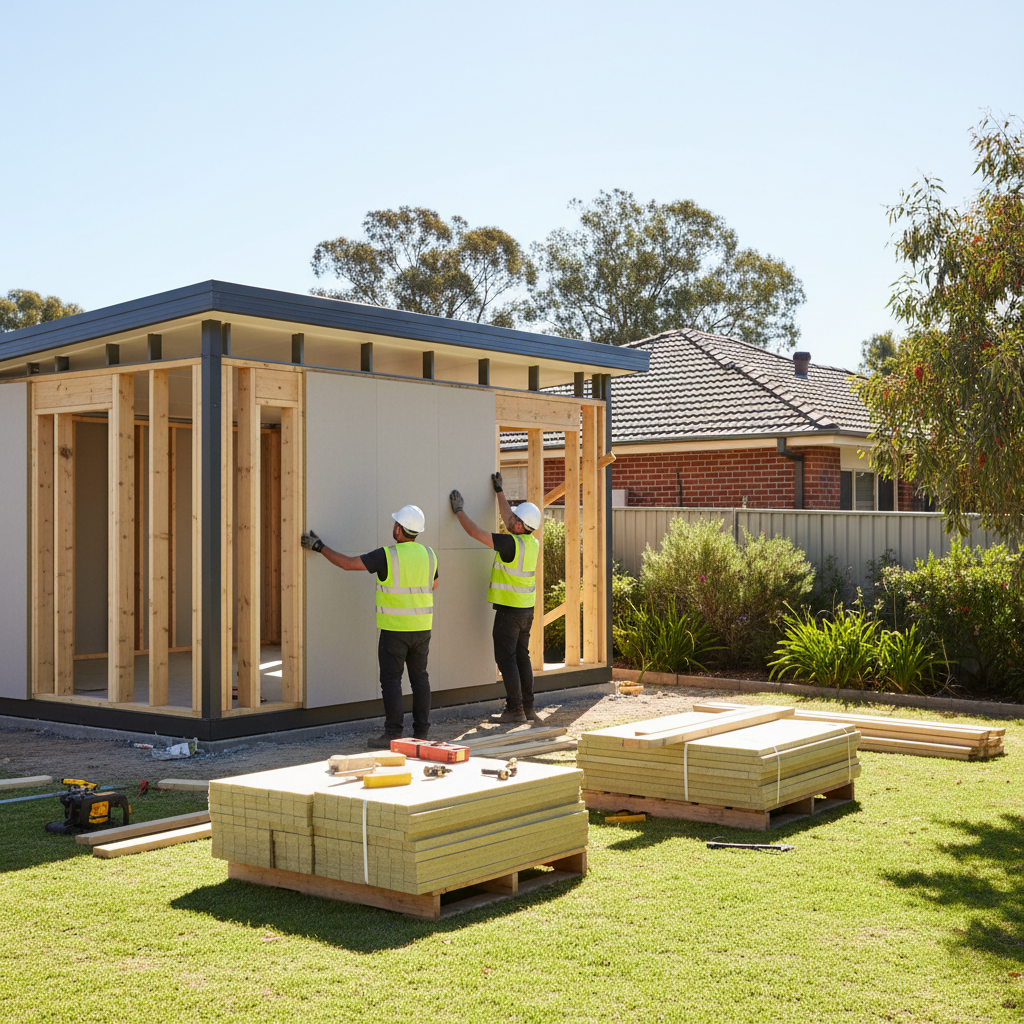
It is worth noting that even during economic downturns, Australia's housing demand, especially in major cities like Sydney, remains resilient. Population growth and housing supply shortages are long-term trends. For those seeking flexible, efficient, and cost-effective construction solutions, prefabricated construction offers an attractive option. Companies like EASOVA, for instance, can effectively control costs and timelines through factory-based production, providing high-quality independent living spaces for Australian families and investors. Whether for extensions, investments, or temporary accommodation, these solutions can offer a degree of certainty in an uncertain economic environment.
In conclusion, whether diplomatic engagement can avert a global economic recession remains an open question. However, Australia is actively working to create conditions for stability and growth in its economy through diversified strategies and participation in international cooperation. Understanding these macro trends will help Australian households and businesses make informed decisions amidst the volatile global economic storm.
Related Articles
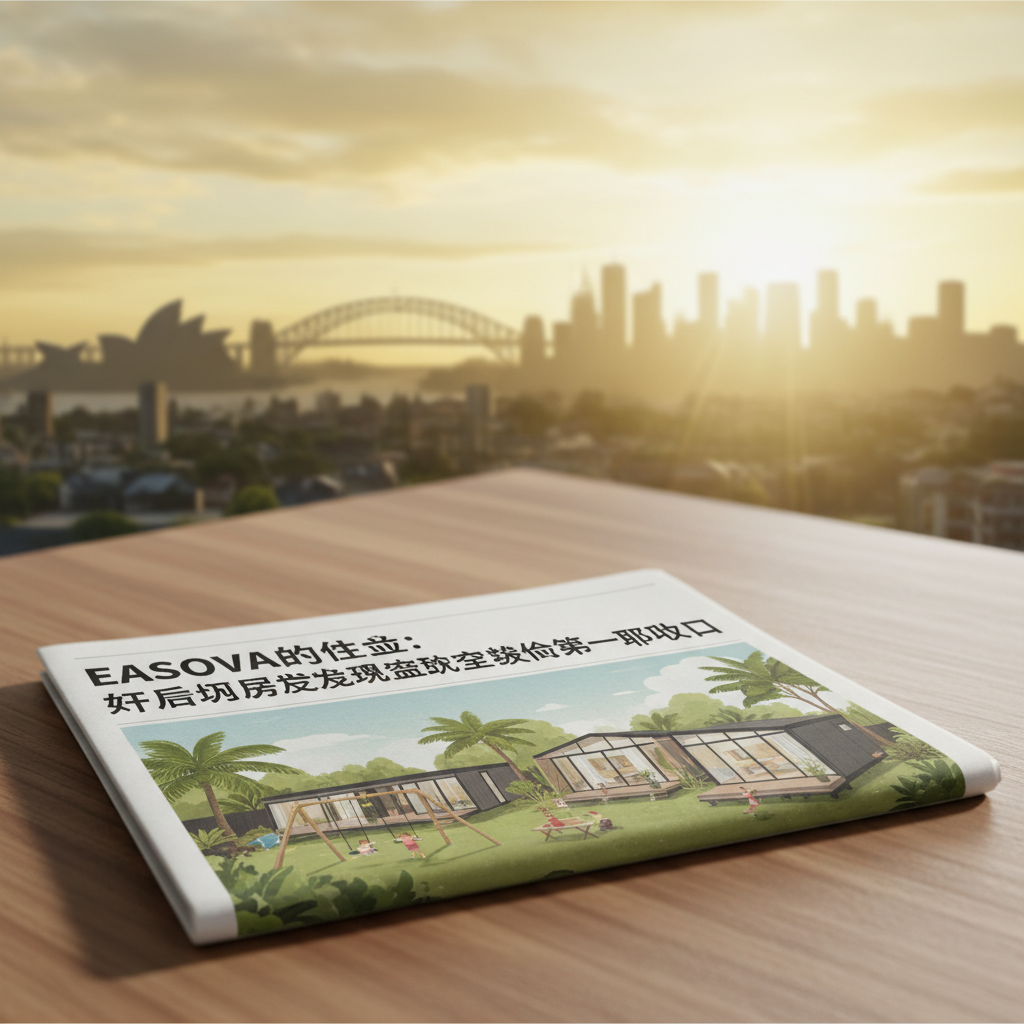
EASOVA's Mission: Making Granny Flats the First Breakthrough in Australia's Housing Revolution
EASOVA's mission is not just to build granny flats, but to use them as a starting point to propel Australian housing into the next generation of upgrades. We believe that granny flats are the most suitable real-world scenario for first introducing fifth-generation housing concepts and smart systems. They can not only increase space and rental income but also become a vehicle for residential technology, integrating high-performance construction, age-friendly design, intelligent operation and maintenance, and continuous upgrade capabilities. To truly achieve this goal, we must integrate four core capabilities: structural design, customer decision-making, AI software and hardware, and financial support, to create a complete product system that is approvable, deliverable, and sustainably evolving.
22 Apr 2026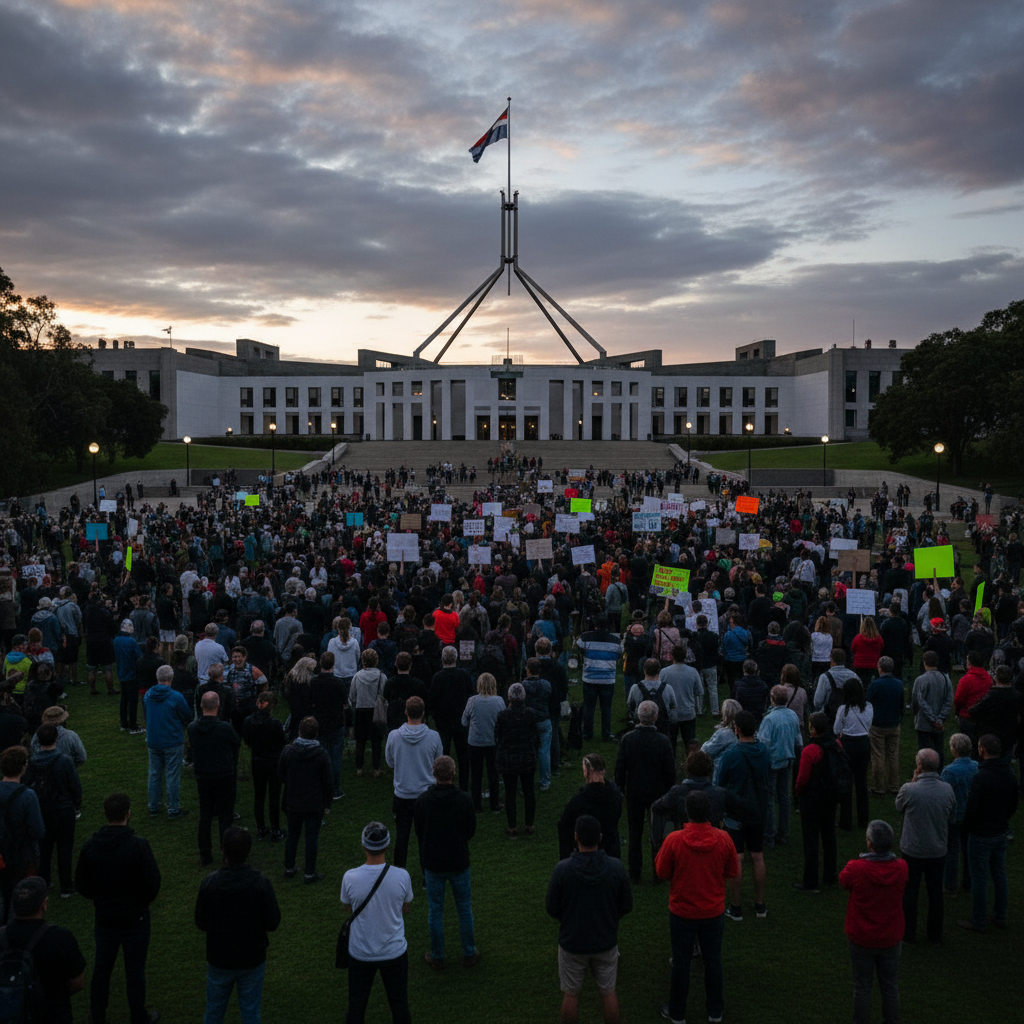
Canavan's Anti-Immigration Rally: Australia's Population Debate
Recent anti-immigration rallies initiated by Senator Matt Canavan have once again pushed Australia's population policy into the spotlight. This article deeply analyses the economic and social drivers behind these rallies, and explores their profound impact on Australia's future demographic structure, economic development, and social cohesion.
27 Apr 2026
Neighborhood Heroes in Fire: Community Aid & Home Safety
Recent fire incidents in Sydney have highlighted the powerful role of community assistance and the critical importance of residential safety measures. This article delves into fire risks, community response mechanisms, and how to enhance home safety in daily life to protect lives and property.
27 Apr 2026