Australia's Post-Budget Immigration Shake-Up: Social & Economic Impacts
The Australian Government has announced significant changes to immigration policy following the latest budget, aiming to address the conflict between population growth and infrastructure capacity. This article deeply analyses the profound impact these changes will have on Australia's labour market, education sector, social structure, and the crucial housing market.
Post-Budget Immigration Policy Overhaul: Profound Social and Economic Impacts on Australia
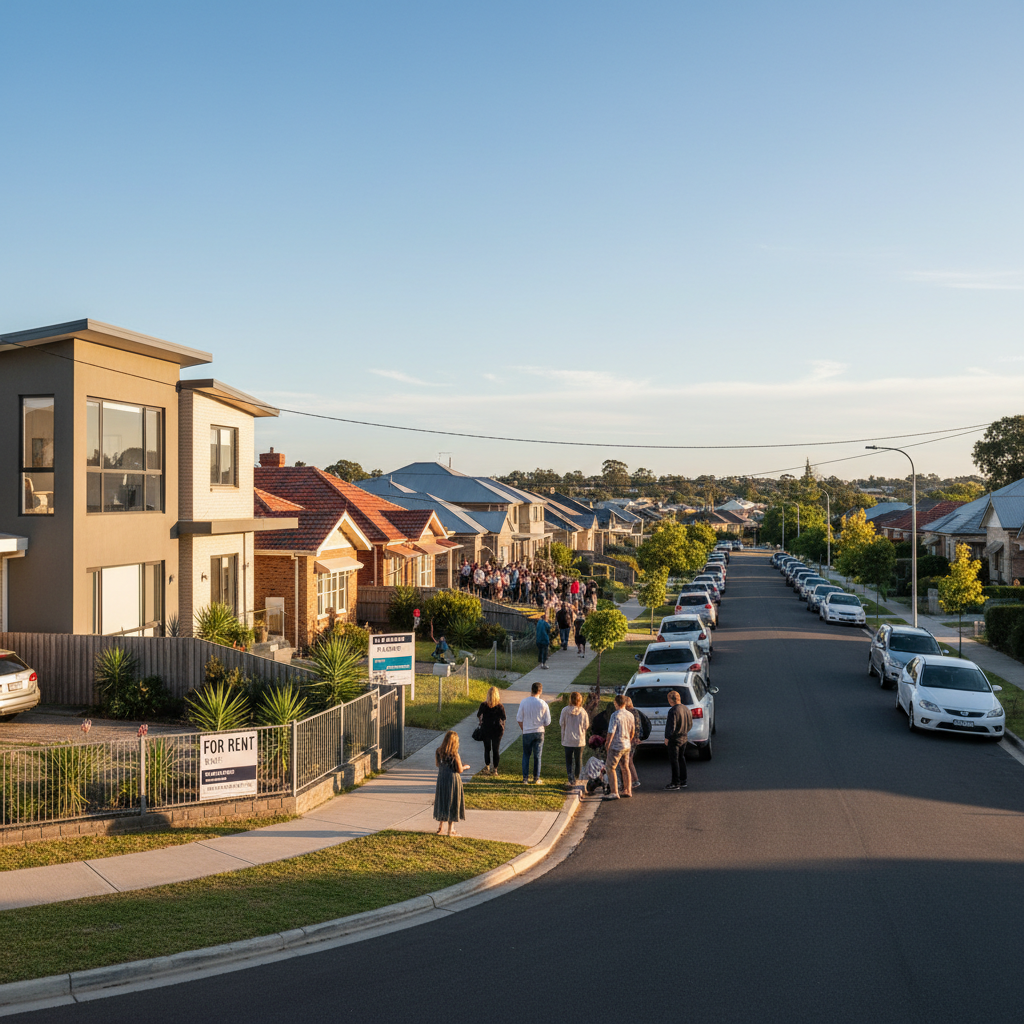

On May 15, 2026, following the release of the latest Federal Budget, the Australian government announced a series of significant immigration policy adjustments aimed at reshaping the nation's population growth trajectory. These changes, as reported by SMH.com.au on the same day, are a direct response to the challenges posed by rapid population growth, particularly the pressure on infrastructure and the housing market. This move will not only profoundly impact the future immigration structure but also have broad and lasting effects on Australia's socio-economic landscape.
Core of Policy Adjustments: A Shift from Quantity to Quality
The core of these immigration policy adjustments lies in the government's attempt to shift from the relatively relaxed immigration quotas of recent years to a strategy that places greater emphasis on skills matching and regional needs. Specific measures may include:
- Tightening International Student Visa Conditions: Increasing English language requirements, limiting accompanying family members for students, and strengthening scrutiny of "perpetual students" to ensure the genuine purpose of international students coming to Australia.
- Prioritising Highly Skilled Migrants: Increasing permanent residency visa quotas for skilled professionals in critical sectors such as healthcare, engineering, and IT, while potentially reducing quotas for low-skilled or non-critical occupations.
- Strengthening Regional Migration Incentives: Encouraging new migrants to settle in regional areas outside major cities like Sydney and Melbourne through more visa pathways and preferential policies, aiming to alleviate pressure on major cities and promote regional development.
- Increasing Visa Application Fees: Raising the cost of visa applications, partly to help offset government investment in infrastructure and social services.
The immediate goal of these adjustments is to reduce net overseas migration. It is expected to significantly decrease the number of people entering Australia annually over the next few years, thereby providing breathing room for infrastructure development and housing supply.
Impact Chain Analysis on Australia's Economy and Society
1. Labour Market: Structural Adjustments and Skill Gaps
In the short term, the labour market may face a dual impact. On one hand, a reduction in international student and temporary work visas could exacerbate labour shortages in some service industries (e.g., hospitality, retail, tourism) and agriculture, which have long relied on temporary migrant workers. On the other hand, the government's focus on highly skilled migrants is expected to alleviate skill shortages in critical sectors such as healthcare, technology, and engineering, enhancing overall national productivity.
Historical data shows that during the COVID-19 pandemic (2020-2022), border closures led to a sharp drop in immigration, resulting in severe labour shortages in Australia, particularly in nursing, hospitality, and construction. While these policy adjustments will not fully replicate those extreme circumstances, their structural impact will prompt businesses to re-evaluate their employment strategies and may drive investment in local workforce training and automation.
2. Education Sector: Facing Significant Challenges
International education is Australia's third-largest export industry, contributing tens of billions of Australian dollars to the economy annually. Tightening student visa conditions, especially restrictions on English language requirements and accompanying family members, will directly lead to a decrease in international student enrolments. This will not only reduce revenue for universities and vocational colleges but may also affect the livelihoods of related service industries (e.g., accommodation, retail). Australian educational institutions will need to re-examine their recruitment strategies and may need to rely more on domestic students or develop more attractive specialised courses to meet these challenges.
3. Social Structure and Multiculturalism: Gradual Evolution
Adjustments to immigration policy will influence Australia's future demographic composition. While Australia will remain a multicultural nation, the source countries and skill backgrounds of new migrants may change. An increase in regional migration is expected to boost population growth and economic vitality in these areas, but it also requires the government to provide adequate social services and integration support.
4. Housing Market: Short-Term Relief and Long-Term Structural Issues
This is the most direct and closely watched area of impact from these policy adjustments. In recent years, Australia, particularly Sydney and Melbourne, has experienced severe housing supply shortages, with soaring rents and property prices. Rapid net overseas migration has been a key factor contributing to the surge in housing demand.
According to the Australian Bureau of Statistics (ABS), net overseas migration in Australia reached a record 500,000 in 2023, far exceeding expectations. This figure has placed immense pressure on the housing market. These policy adjustments aim to reduce annual net overseas migration to below 300,000 within the next two years. This will bring:
- Slower Rent Growth in the Short Term: With fewer new migrants, demand pressure in the rental market will ease, and the pace of rent increases is expected to slow, potentially even stabilising or slightly decreasing in some areas.
- More Moderate Property Price Growth: Although interest rates and local demand remain primary drivers, a reduction in migration will weaken a portion of potential buyer demand, helping to curb excessive property price growth.
- Challenges and Opportunities for the Construction Industry: Reduced migration could lead to a shortage of construction workers, further impacting housing supply. However, if the government can direct limited migrant resources more towards the construction industry through policy guidance, this issue might be partially alleviated. Simultaneously, a slower population growth rate also provides the construction industry with more time to catch up with the supply gap.
However, it is important to note that immigration policy adjustments are not a "silver bullet" for the housing crisis. The fundamental issues in Australia's housing market lie in structural factors such as land supply, approval processes, infrastructure provision, and construction costs. Immigration policy adjustments can only offer a respite; the government still needs to increase investment in these deeper issues.
Future Outlook and Impact on Australians
These immigration policy adjustments are expected to form the cornerstone of the Australian government's population strategy for the coming years. We may see the following scenarios:
- Scenario One: Smooth Transition. Policy adjustments effectively control migration numbers while precisely attracting highly skilled talent, achieving a soft landing for the economy. Housing market pressure is effectively relieved, but some sectors still need to adapt to changes in the labour structure.
- Scenario Two: Slower Economic Growth. A sharp decline in migration leads to insufficient consumer demand and labour supply, consequently affecting economic growth. The education sector is severely hit, requiring the government to introduce more stimulus measures.
- Scenario Three: Exacerbated Regional Disparity. Despite regional migration incentives, if supporting facilities and job opportunities are insufficient, new migrants may still gravitate towards major cities, reducing the effectiveness of the policy.
For the average Australian household, the most direct impact will be on housing costs. Slower growth in rents and property prices will offer a glimmer of hope for many families. At the same time, structural changes in the labour market may also affect job opportunities and wage levels. For investors, it is crucial to closely monitor the impact of slower population growth on long-term demand in the property market, as well as the government's investment direction in infrastructure and regional development.
Conclusion: Balancing Growth and Sustainable Development
Australia's immigration policy has always been a crucial lever for national development. The significant adjustments following this budget reflect the government's difficult balancing act between pursuing economic growth and ensuring social sustainable development. While there may be short-term pain, in the long run, a more controlled and high-quality immigration system is expected to lay a stronger foundation for Australia's future prosperity. For companies dedicated to providing efficient, high-quality housing solutions, such as EASOVA, this means the market will place greater emphasis on construction efficiency and cost control to adapt to changing demographics and housing needs, offering more affordable living options for Australian families.
Related Articles

EASOVA's Mission: Making Granny Flats the First Breakthrough in Australia's Housing Revolution
EASOVA's mission is not just to build granny flats, but to use them as a starting point to propel Australian housing into the next generation of upgrades. We believe that granny flats are the most suitable real-world scenario for first introducing fifth-generation housing concepts and smart systems. They can not only increase space and rental income but also become a vehicle for residential technology, integrating high-performance construction, age-friendly design, intelligent operation and maintenance, and continuous upgrade capabilities. To truly achieve this goal, we must integrate four core capabilities: structural design, customer decision-making, AI software and hardware, and financial support, to create a complete product system that is approvable, deliverable, and sustainably evolving.
22 Apr 2026
Cave Diving Tragedy: Extreme Sports Safety & Community Rescue Reflections
A recent cave diving tragedy in Queensland, Australia, has once again brought the risks of extreme sports, participants' safety awareness, and community rescue systems into the public spotlight. This article delves into the multiple factors behind such incidents and explores how to enhance safety management and emergency response for extreme sports.
15 May 2026
Aurora Over Australia: Science & Life Lessons Behind the Natural Spectacle
In May 2026, astronauts aboard the International Space Station captured a spectacular aurora display over Australia, sparking widespread interest in this natural wonder and its scientific principles. This article delves into the mechanisms of aurora formation, its impact on Earth, and how it inspires our thinking about nature and sustainable living.
15 May 2026