Australia's NDIS Reform: 500,000 Awaiting Changes & Housing Market Shifts
Australia's National Disability Insurance Scheme (NDIS) is on the cusp of major reforms, aimed at improving service efficiency and addressing long-standing waiting list issues. This article delves into the challenges faced by the 500,000 individuals on the waiting list, the potential impacts of these reforms, and how these changes will reshape housing needs and market dynamics for people with disabilities in Australia.
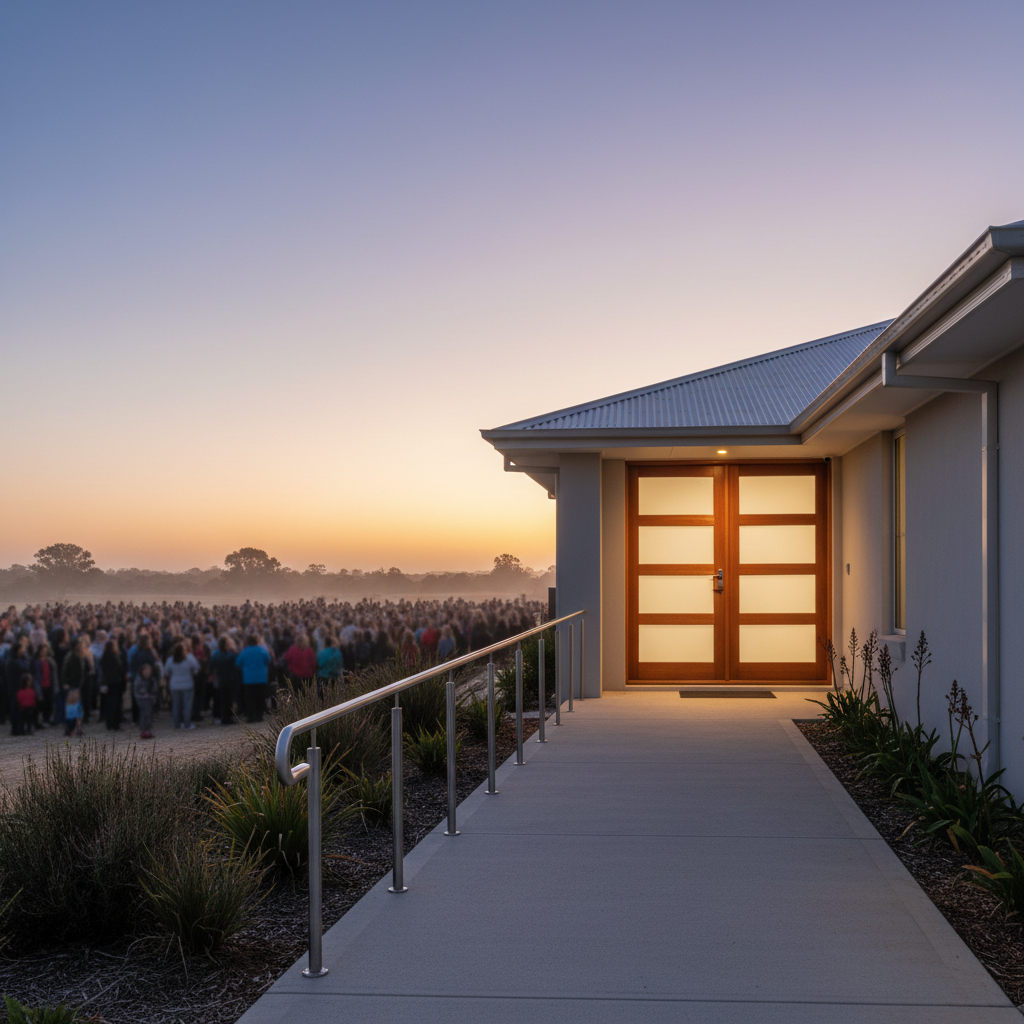
Australia's NDIS Reform Imminent: 500,000 Waitlisted and a New Era for the Housing Market
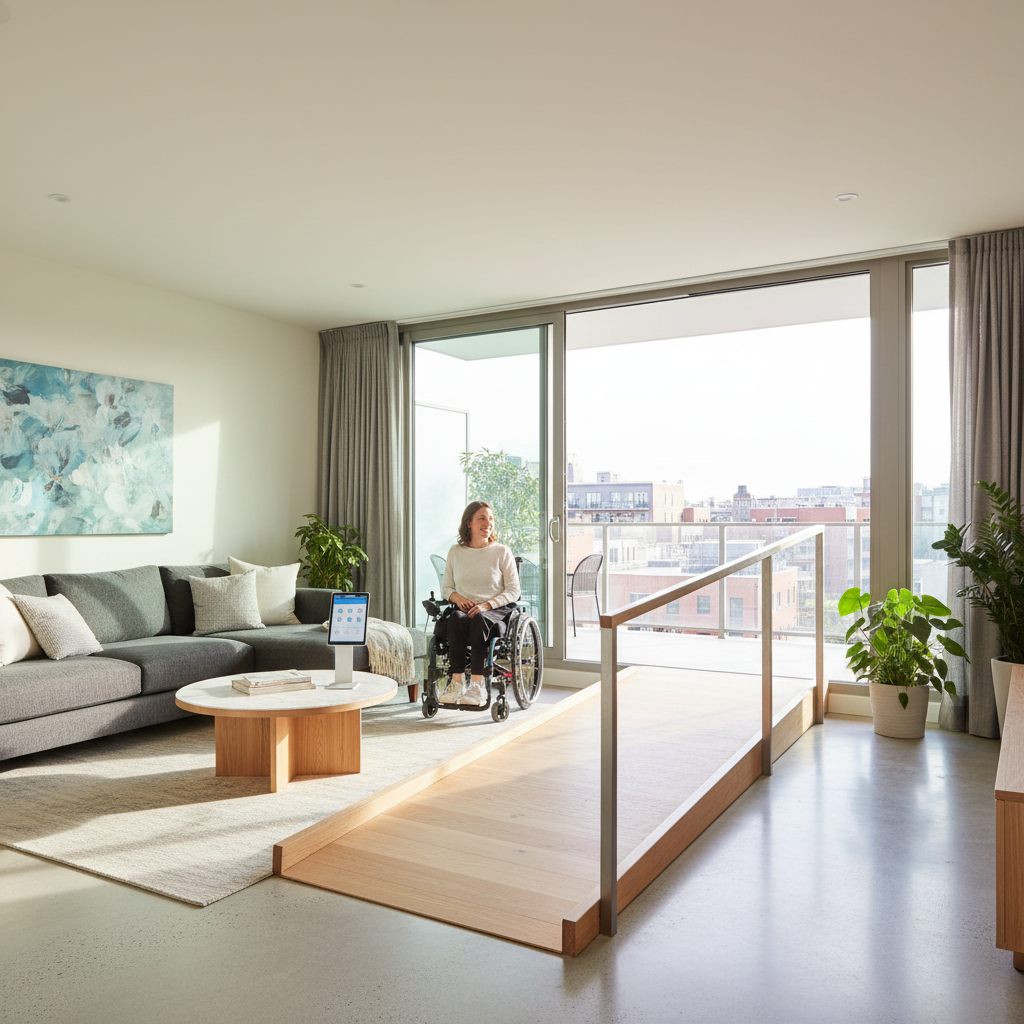
Since its launch in 2013, Australia's National Disability Insurance Scheme (NDIS) has been one of the largest disability support systems globally. However, over time, issues such as operational efficiency, cost control, and service accessibility have become increasingly prominent, particularly with as many as 500,000 applicants remaining on waiting lists for extended periods, drawing widespread attention. Recently, on April 21, 2026, the Australian Broadcasting Corporation (ABC) reported that NDIS reform is on the horizon, aiming to address these core issues. This will not only profoundly impact the quality of life for people with disability but also bring new changes to Australia's housing market.
Background and Core Objectives of NDIS Reform
The NDIS was originally designed to provide personalised support and funding to approximately 4.7 million Australians with disability, helping them achieve greater independence and community participation. However, the rapid expansion of the scheme has also brought challenges. According to data from the National Disability Insurance Agency (NDIA), the annual cost of the NDIS has soared from an initially projected A$22 billion to nearly A$40 billion, and is expected to reach A$100 billion per year within the next decade. Concurrently, over 500,000 applicants are on waiting lists, many of whom face lengthy approval processes and inadequate support.
The core objective of this reform is to enhance the sustainability, fairness, and efficiency of the scheme. Key measures may include:
- Streamlining application and approval processes: Reducing bureaucratic hurdles and accelerating assessments for new applicants.
- Strengthening early intervention and prevention: Investing in earlier support to reduce the need for more expensive services in the future.
- Optimising service delivery models: Encouraging innovation and competition to ensure funds are used for the most effective support.
- Improving transparency and accountability: Ensuring funds are spent appropriately and implementing stricter regulation of service providers.
The "Plight" of 500,000 Waitlisted Individuals and the Hope of Reform
The 500,000-strong waiting list is more than just a number; it represents the immense pressure faced by hundreds of thousands of families in their daily lives. Many waitlisted individuals cannot access necessary therapies, assistive equipment, or in-home support, which not only affects their health and wellbeing but also limits their ability to participate in education, employment, and community activities. For example, some applicants needing wheelchairs may be unable to leave their homes due to approval delays, while some children requiring speech therapy may miss critical intervention periods.
Historical experience shows that major reforms to social welfare schemes often come with initial difficulties, but in the long run, if effectively implemented, they can significantly improve the lives of target groups. For instance, the community care reforms in the UK in the 1990s aimed to transition people with disability from institutions to the community. Although initially facing challenges in resource allocation and coordination, they ultimately fostered more personalised and person-centred service models.
If this NDIS reform successfully integrates these 500,000 waitlisted individuals into the service system, the impact will be profound. They will gain access to:
- Personalised support: Including therapies, personal care, transport, and assistive equipment.
- Employment and education opportunities: Receiving necessary support to participate in socio-economic activities.
- Community inclusion: Reducing social isolation and enhancing quality of life.
Impact of NDIS Reform on Australian Housing Demand
There is a close link between NDIS reform and the housing market, particularly in the areas of "affordable housing" and "accessible housing." When the 500,000 waitlisted individuals receive NDIS support, their housing needs will change significantly:
-
Surge in demand for accessible housing: NDIS funding can often be used for home modifications to adapt to the specific needs of people with disability (e.g., wheelchair ramps, accessible bathrooms, smart home systems). As more people receive support, demand for housing that meets "Liveable Housing Design" standards, and even "Universal Design" principles, will significantly increase. This includes modifications to existing homes, as well as new homes designed with accessibility in mind from the outset.
-
Growth of the Specialist Disability Accommodation (SDA) market: The NDIS provides Specialist Disability Accommodation (SDA) funding to eligible participants for housing built or modified specifically for people with disability. As more people enter the NDIS system, demand for SDA will continue to grow, attracting more investors into this niche market. This could lead to increased development and construction activity for SDA properties, especially in major cities like Sydney and Melbourne and their surrounding areas.
-
Rise of community-inclusive housing models: The reform emphasises community inclusion, meaning people with disability will increasingly prefer to live in communities close to public transport, medical facilities, shops, and employment opportunities. This will drive demand for accessible apartments and townhouses located in urban centres or areas with good transport links.
-
Rental market pressure and investment opportunities: People with disability who receive NDIS support may have more stable rental payment capacity, which will increase their demand in the rental market. For investors, investing in accessible modified properties or specialised SDA properties could become an emerging sector with stable returns and social benefits.
Future Outlook and Challenges
The success of NDIS reform will depend on the government's execution capabilities, the effective allocation of funds, and the responsiveness of service providers. The following scenarios may unfold in the future:
- Scenario 1: Successful reform, steady release of demand. If the reform proceeds smoothly, and the 500,000 waitlisted individuals gradually receive support, housing demand will grow in an orderly fashion, and the market will adapt progressively. The accessible housing and SDA markets will develop healthily.
- Scenario 2: Slow reform, accumulated demand. If the reform progresses slowly and waiting times remain long, housing demand will continue to be suppressed, leading to market undersupply, and the accessible housing gap, in particular, may widen further.
- Scenario 3: Ongoing funding pressure, limited services. If cost control is ineffective, the NDIS may face continuous funding pressure, leading to stricter approvals for housing support, thereby impacting the housing choices of people with disability.
For the Australian property market, NDIS reform is undoubtedly a significant structural driver. Investors and developers need to closely monitor policy directions and identify the growth potential of the accessible housing and SDA markets. For ordinary families, understanding these changes can also help better plan for the future needs of family members.
EASOVA's Perspective
As an Australian company specialising in prefabricated construction, EASOVA understands the diverse nature of housing needs. Modular and prefabricated construction technologies offer inherent advantages in building accessible and customised homes, enabling more efficient and economical satisfaction of the specific needs of NDIS participants, such as quickly constructing independent living units that meet SDA standards or undertaking accessible modifications to existing homes. We believe that as NDIS reform progresses, prefabricated construction will play an increasingly important role in meeting this growing demand for specialised housing.
Related Articles

EASOVA's Mission: Making Granny Flats the First Breakthrough in Australia's Housing Revolution
EASOVA's mission is not just to build granny flats, but to use them as a starting point to propel Australian housing into the next generation of upgrades. We believe that granny flats are the most suitable real-world scenario for first introducing fifth-generation housing concepts and smart systems. They can not only increase space and rental income but also become a vehicle for residential technology, integrating high-performance construction, age-friendly design, intelligent operation and maintenance, and continuous upgrade capabilities. To truly achieve this goal, we must integrate four core capabilities: structural design, customer decision-making, AI software and hardware, and financial support, to create a complete product system that is approvable, deliverable, and sustainably evolving.
22 Apr 2026
Australian Billionaire's Urgent Warning: Housing Crisis Escalates, How Will Government Respond?
Australia's second-richest person has issued a dire warning, stating that Australia's housing crisis will worsen unless the government intervenes urgently. This article delves into the causes of the crisis, its potential impacts, and possible policy interventions.
30 Apr 2026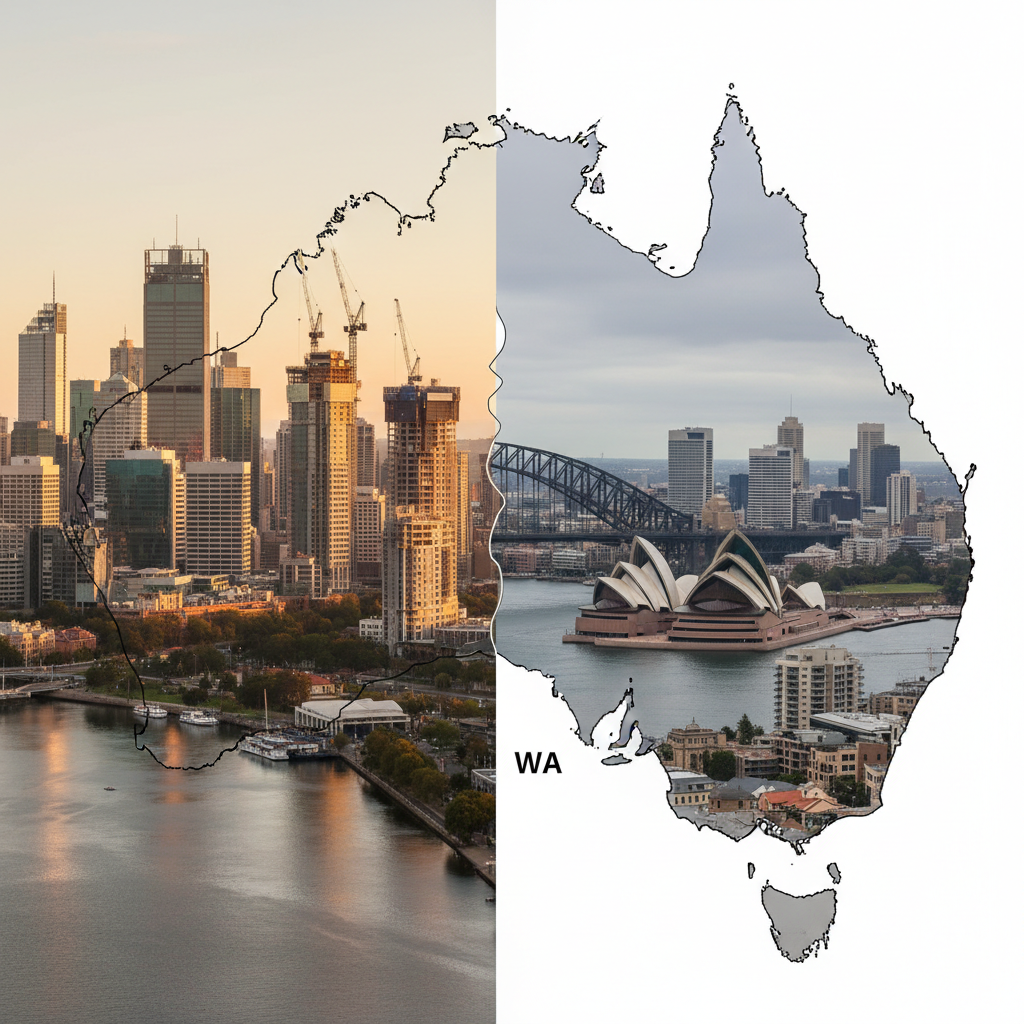
Australia's Two-Speed Property Market: WA Leads, Why Are Eastern States Lagging?
Recently, the Australian property market has shown a significant "two-speed" divergence, with Western Australia performing strongly while the eastern states face slowing growth. This article delves into the economic, demographic, and policy factors contributing to this phenomenon, and explores its profound implications for the national housing market and future trends.
30 Apr 2026