Australia's Hybrid Renewable Mandate: How Grid Storage Reshapes Power Future?
Australia is pushing an ambitious hybrid renewable energy mandate, requiring new wind and solar projects to be equipped with energy storage systems. This article delves into the drivers behind this policy, its impact on grid stability, technical challenges, and profound implications for Australian households and businesses.
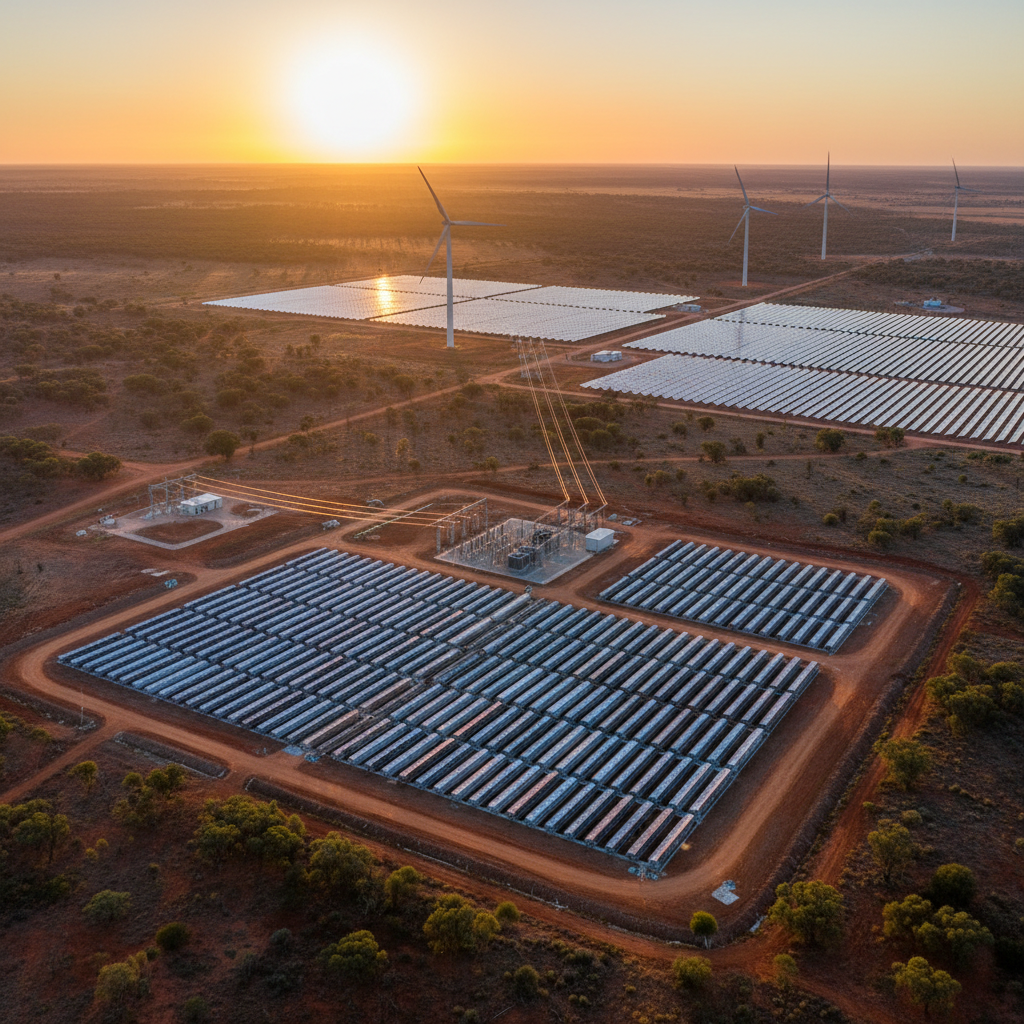
Australia's Hybrid Renewable Energy Mandate: How Grid Storage is Reshaping the Future of Power
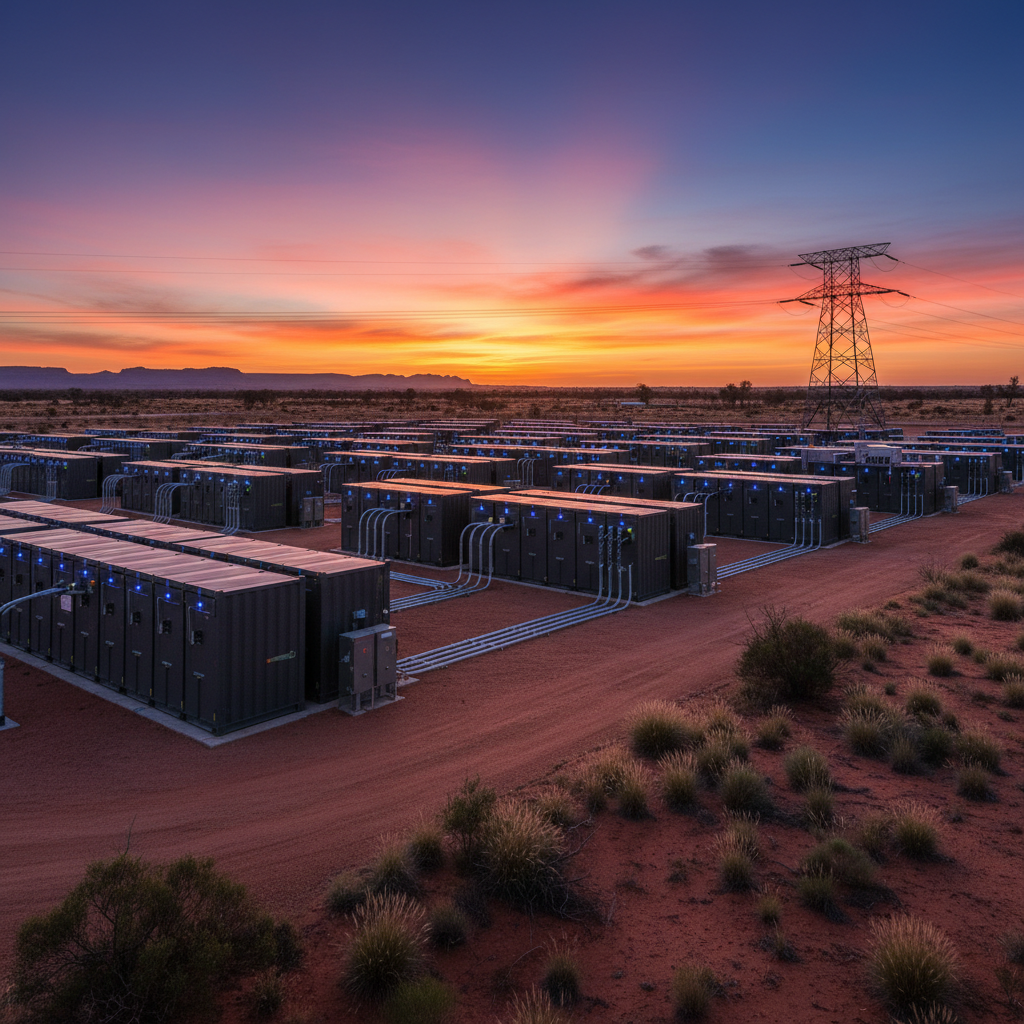
Australia, a nation abundant in sunshine and strong winds, stands at the forefront of the energy transition. A hybrid renewable energy mandate, jointly driven by the federal government and states, requires all new wind and solar projects to integrate energy storage systems. This marks a landmark transformation in Australia's electricity market. This policy not only aims to accelerate the adoption of renewable energy but also, more profoundly, will fundamentally change how the grid operates and have a far-reaching impact on the electricity consumption patterns of Australian households and businesses.
Policy Background and Drivers
For a long time, Australia's energy structure has been heavily reliant on coal-fired power generation. However, with increasing pressure from climate change and decreasing costs of renewable energy, the transition to clean energy has become inevitable. While wind and solar power are clean, their intermittent generation characteristics have always posed a challenge to grid stability. When wind is low or sunlight diminishes, the grid requires rapidly responsive backup power, traditionally supplied by coal or gas-fired power plants.
According to market analysis published by IndexBox on April 14, 2026, global demand for energy storage solutions is surging, particularly in regions with high renewable energy penetration. Australia's mandate aligns with this trend, aiming to address the intermittency of renewable energy through compulsory storage, ensuring grid reliability and stability. This move will effectively reduce reliance on fossil fuels while mitigating volatility in the wholesale electricity market.
Grid Storage: The Cornerstone of Stability
Grid energy storage, especially large-scale battery energy storage systems (BESS), is crucial for addressing the intermittency of renewable energy. They can absorb energy when electricity supply is abundant and release it during peak demand or when renewable energy output is low. This "peak shaving and valley filling" capability is vital for maintaining grid frequency and voltage stability. For instance, in South Australia, large-scale battery storage projects have successfully provided rapid responses during grid failures on multiple occasions, preventing widespread blackouts.
This mandate will ensure that future renewable energy projects consider storage requirements from the outset, thereby creating a more flexible and resilient grid. This means that Australia's electricity supply will maintain higher reliability, even under extreme weather conditions.
Technical Challenges and Economic Considerations
Despite the promising outlook, implementing this mandate also faces technical and economic challenges. The construction costs of large-scale energy storage systems remain high, although battery technology costs have continuously decreased in recent years. Furthermore, the lifespan, cycle efficiency, and stability of the raw material supply chain for energy storage systems are also factors to consider. For example, lithium-ion batteries require significant amounts of critical minerals like lithium and cobalt, and global supply and price fluctuations of these minerals could affect the economic viability of storage projects.
However, in the long run, investment in mandatory storage will bring significant economic benefits. It can reduce the need for expensive gas "peaker plants," lower wholesale electricity price volatility, and provide more flexibility services for grid operators, such as frequency regulation and voltage support. The Australian government is also investing in transmission infrastructure through initiatives like "Renewable Energy Zones" (REZs) to better integrate these hybrid energy projects.
Future Predictions and Impact on Australian Households
- More Stable Electricity Prices: As storage systems balance supply and demand, volatility in the wholesale electricity market will decrease, which is expected to translate into more predictable, and potentially lower, retail electricity prices for Australian households.
- Greater Energy Independence: Mandatory storage will accelerate Australia's progress towards a 100% renewable energy target, reducing reliance on international fuel markets and enhancing national energy security.
- Smart Homes and Changing Consumption Habits: As the grid becomes smarter, households may be incentivised to use high-energy appliances when electricity prices are lower (e.g., during peak solar generation) or link electric vehicle charging with storage systems to optimise electricity costs.
- Impact on Property and Construction Industry: Stable power supply and lower energy costs will enhance the attractiveness of Australian properties, especially those near renewable energy zones or featuring advanced storage technology. For the construction industry, demand for energy efficiency and storage solutions will increase. For example, integrating small-scale battery storage systems or smart energy management systems into new homes will become more common. EASOVA, an Australian prefabricated home company committed to modern and efficient construction, also closely monitors these energy trends to ensure our products seamlessly integrate with future smart, sustainable energy systems, providing customers with more energy-efficient and comfortable living experiences.
This mandate is a critical step in Australia's energy transition. It will not only change how we obtain and use electricity but also shape a more sustainable and reliable energy future. For residents and businesses in Sydney and across Australia, this signifies a new era full of opportunities.
Related Articles

EASOVA's Mission: Making Granny Flats the First Breakthrough in Australia's Housing Revolution
EASOVA's mission is not just to build granny flats, but to use them as a starting point to propel Australian housing into the next generation of upgrades. We believe that granny flats are the most suitable real-world scenario for first introducing fifth-generation housing concepts and smart systems. They can not only increase space and rental income but also become a vehicle for residential technology, integrating high-performance construction, age-friendly design, intelligent operation and maintenance, and continuous upgrade capabilities. To truly achieve this goal, we must integrate four core capabilities: structural design, customer decision-making, AI software and hardware, and financial support, to create a complete product system that is approvable, deliverable, and sustainably evolving.
22 Apr 2026
Canavan's Anti-Immigration Rally: Australia's Population Debate
Recent anti-immigration rallies initiated by Senator Matt Canavan have once again pushed Australia's population policy into the spotlight. This article deeply analyses the economic and social drivers behind these rallies, and explores their profound impact on Australia's future demographic structure, economic development, and social cohesion.
27 Apr 2026
Neighborhood Heroes in Fire: Community Aid & Home Safety
Recent fire incidents in Sydney have highlighted the powerful role of community assistance and the critical importance of residential safety measures. This article delves into fire risks, community response mechanisms, and how to enhance home safety in daily life to protect lives and property.
27 Apr 2026