Australia's Demographic Shift: How New Immigrants Reshape Communities & Infrastructure
Australia is experiencing significant demographic shifts, with an influx of new immigrants presenting both challenges and opportunities for community development and infrastructure. This article delves into an analysis of this trend and explores its impact on key areas such as housing, transport, education, and healthcare.
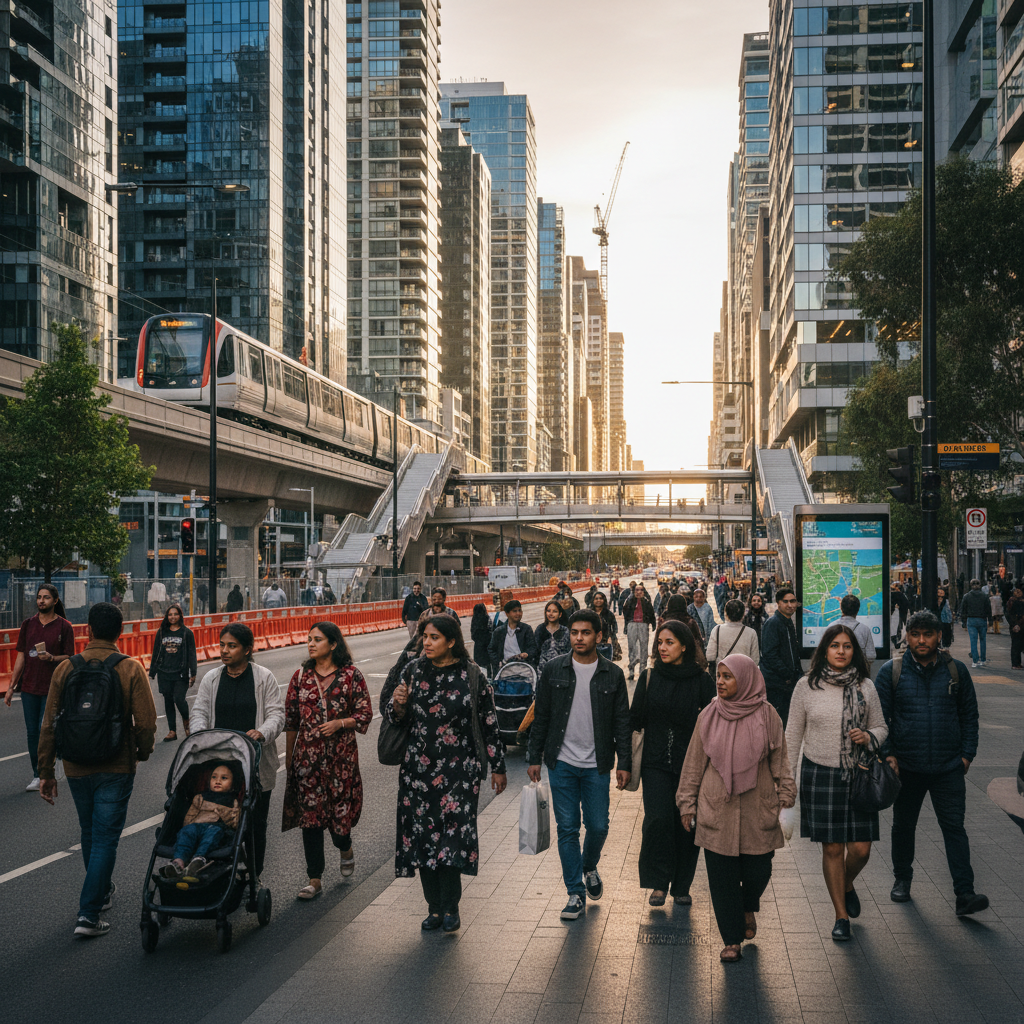
Australia's Demographic Shift: How New Immigrants are Reshaping Communities and Infrastructure
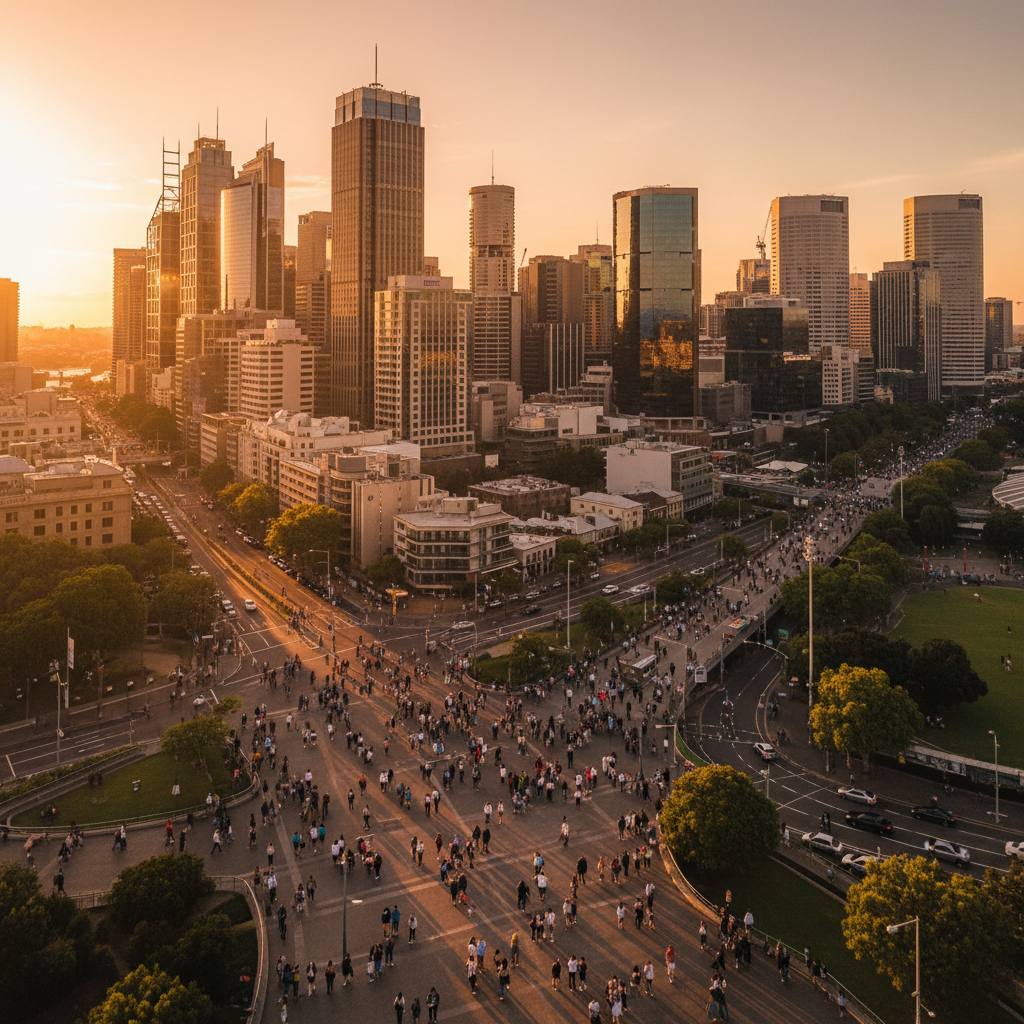
Australia, this land of diverse cultures, is undergoing a profound demographic transformation. With the continuous influx of international migrants, Australia's social landscape, economic vitality, and even infrastructure development are facing unprecedented opportunities and challenges. On April 18, 2026, the Australian Broadcasting Corporation (ABC) reported that the demand for community development and infrastructure from new immigrants in Australia is growing daily, sparking widespread social concern and policy discussions.
Driving Forces and Population Data Behind the Migration Wave
In recent years, Australia's net overseas migration has remained consistently high. According to data from the Australian Bureau of Statistics (ABS), during the post-pandemic recovery phase, net overseas migration reached a record 518,000 in 2023, far exceeding previous expectations. This figure is primarily composed of international students, skilled migrants, and family reunion migrants. Major cities like Sydney and Melbourne are the preferred destinations for new immigrants, undoubtedly exacerbating pressure on housing, transport, and public services in these cities.
The age structure of new immigrants is also noteworthy. They are generally younger and highly educated, bringing fresh blood and labour to the Australian economy. However, this demographic dividend also comes with severe challenges to the cities' carrying capacity.
Profound Impact on Community Development
The arrival of new immigrants is first reflected in the diversification of community culture and economy. New restaurants, shops, and cultural activities are constantly emerging, enriching the lives of local residents. However, such rapid change can also lead to a decline in community cohesion or the formation of cultural enclaves in certain areas. For example, in some suburbs of Western Sydney, the formation of specific ethnic communities, while bringing economic vitality, also places higher demands on local government's community integration services.
Surging Housing Demand: This is the most direct and significant impact. The large influx of new immigrants, especially in popular cities like Sydney, has led to a shortage in the rental market and soaring rents. According to CoreLogic data, Sydney's rents rose by over 10% in 2023, with vacancy rates temporarily falling below 1%. The housing market is also affected; although rising interest rates have curbed some demand, the long-term supporting role of population growth remains strong. First-home buyers and low-income households face greater housing pressure.
Labour Market: New immigrants fill critical labour shortages in the Australian economy, particularly in sectors such as healthcare, aged care, construction, and agriculture. This helps alleviate inflationary pressures and supports economic growth. However, some local workers may also face increased competition.
Infrastructure Faces Severe Challenges
New immigrants' demand for infrastructure is multifaceted, covering transport, education, healthcare, and utilities.
Traffic Congestion: With population growth, traffic congestion in major cities is worsening, and public transport systems are also under immense pressure. The M4 Motorway and public train lines in Sydney during peak hours have become a daily commute pain point for residents. Although the government is actively investing in major projects like the Western Sydney Metro, infrastructure development often struggles to keep pace with population growth.
Education Resources: International students are a significant component of new immigrants, bringing huge revenue to Australia's education industry. However, for local public schools, the increase in student numbers poses challenges to classroom space, teacher staffing, and the allocation of educational resources. In areas with high concentrations of new immigrants, school enrolment pressure has significantly increased.
Healthcare Services: The combination of an ageing population and the influx of new immigrants is overwhelming Australia's healthcare system. Problems such as longer emergency room wait times, difficulty securing GP appointments, and specialist shortages are increasingly prominent. The government needs to invest more funds in hospital expansion, healthcare worker training, and community health services.
Utilities: Basic utilities such as water, electricity, and waste management also face pressure. Especially in the context of climate change, the stability of water resource management and energy supply becomes particularly crucial.
Historical Comparison and Future Predictions
Looking back, Australia has experienced several large-scale migration waves, such as European migration after World War II and Asian migration in the 1970s. Each migration wave was accompanied by infrastructure expansion and accelerated urbanisation. However, the current migration wave is characterised by faster global population movement and a concentration in a few major cities, making the challenges more concentrated.
Future Predictions:
- Continued Urbanisation Pressure: Major cities like Sydney and Melbourne will continue to be preferred by immigrants. The government needs to increase investment in regional centres to guide population dispersal.
- Accelerated Infrastructure Investment: Federal and state governments will be compelled to invest more funds in transport, housing, and public services to cope with population growth pressures. This may be achieved through increased taxation or bond issuance.
- Policy Adjustments: Immigration policies may be fine-tuned to better match labour market demands and infrastructure carrying capacity. For example, policies might favour attracting migrants to regional areas or offer more incentives for specific skilled migrants.
Impact on Australian Households and Responses
For average Australian households, the most direct impact of demographic changes is the rising cost of living, especially housing and transport. Rising rents and property prices, along with increased commute times, are realities many families face.
However, this also brings new opportunities. For example, increased vitality in the labour market and rising wages in some sectors; the formation of multicultural communities also enriches residents' cultural experiences. For investors, population growth provides long-term support for the property market, especially in areas with well-developed infrastructure and job opportunities.
EASOVA's Perspective: Addressing Housing Challenges Amidst Population Growth
In the context of rapid population growth and increasingly tight housing demand, efficient and economical construction solutions are becoming particularly important. Prefabricated buildings, such as the modern prefab homes and granny flats offered by EASOVA, are becoming an effective way to address this challenge. They are not only fast to build, effectively shortening construction periods and reducing on-site disruption to communities, but also offer significant advantages in cost control and sustainability. In Sydney and surrounding areas, EASOVA is committed to providing high-quality prefabricated building solutions, helping Australian families and investors to increase housing supply more efficiently and economically amidst population growth, thereby alleviating market pressure.
Through innovative construction technologies, EASOVA assists Australia in seizing opportunities amidst the challenges brought by demographic changes, jointly building more liveable and sustainable future communities.
Related Articles

EASOVA's Mission: Making Granny Flats the First Breakthrough in Australia's Housing Revolution
EASOVA's mission is not just to build granny flats, but to use them as a starting point to propel Australian housing into the next generation of upgrades. We believe that granny flats are the most suitable real-world scenario for first introducing fifth-generation housing concepts and smart systems. They can not only increase space and rental income but also become a vehicle for residential technology, integrating high-performance construction, age-friendly design, intelligent operation and maintenance, and continuous upgrade capabilities. To truly achieve this goal, we must integrate four core capabilities: structural design, customer decision-making, AI software and hardware, and financial support, to create a complete product system that is approvable, deliverable, and sustainably evolving.
22 Apr 2026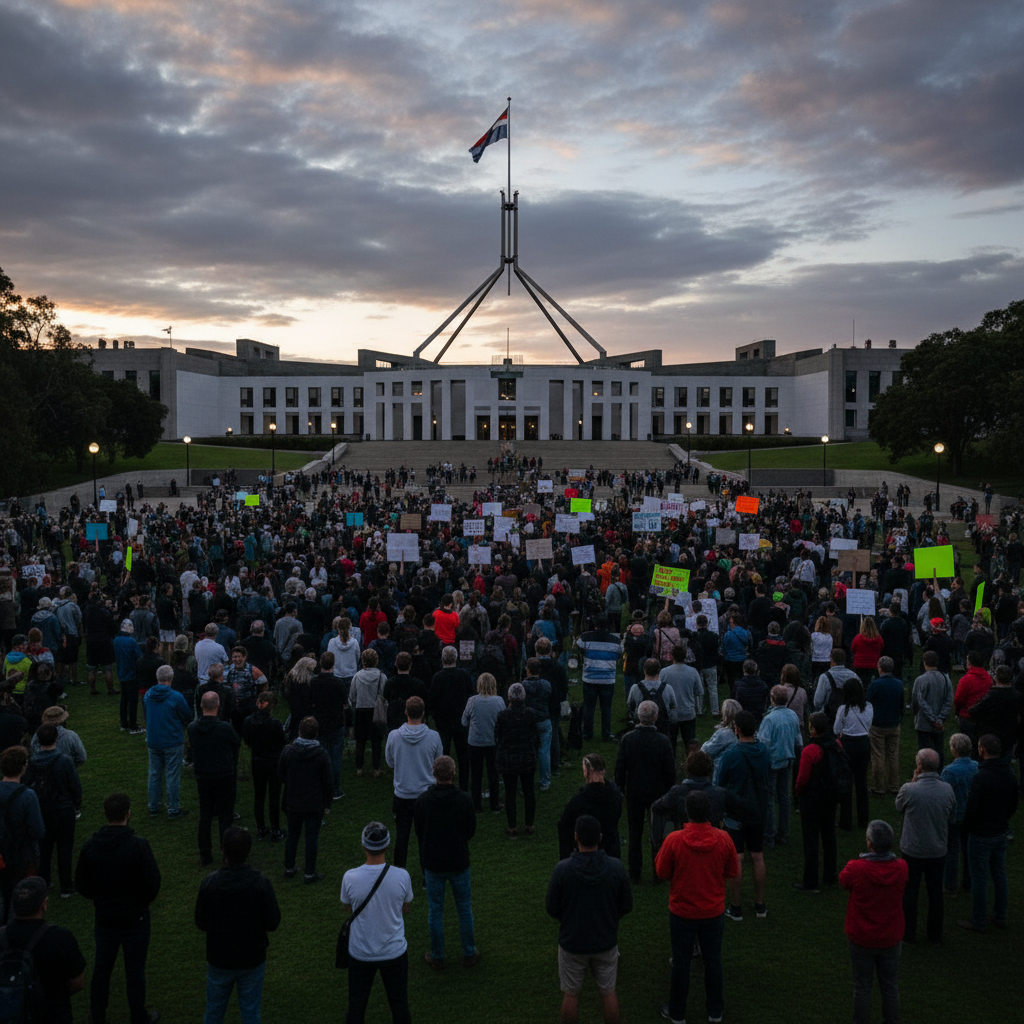
Canavan's Anti-Immigration Rally: Australia's Population Debate
Recent anti-immigration rallies initiated by Senator Matt Canavan have once again pushed Australia's population policy into the spotlight. This article deeply analyses the economic and social drivers behind these rallies, and explores their profound impact on Australia's future demographic structure, economic development, and social cohesion.
27 Apr 2026
Neighborhood Heroes in Fire: Community Aid & Home Safety
Recent fire incidents in Sydney have highlighted the powerful role of community assistance and the critical importance of residential safety measures. This article delves into fire risks, community response mechanisms, and how to enhance home safety in daily life to protect lives and property.
27 Apr 2026