Australia's Construction Labor Shortage: Meeting the Million-Home Target
The Australian government's ambitious "million homes" plan is facing a severe test. Amidst multiple pressures such as labour shortages, skilled worker exodus, and tightening visa policies, how can the construction industry achieve this ambitious goal? This article delves into the current challenges and potential solutions.

The Million Homes Target Challenge: How is the Australian Construction Industry Addressing Labour Shortages?
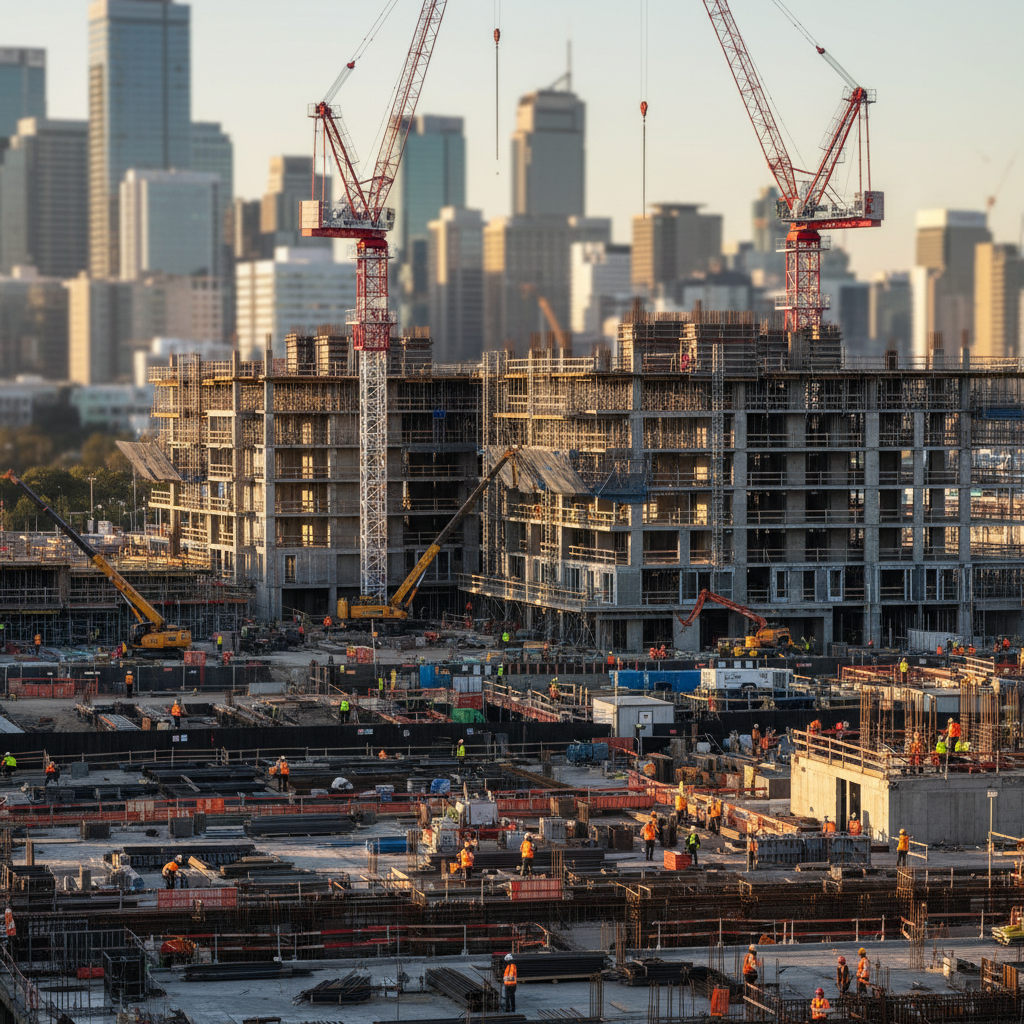
The Australian Federal Government's ambitious goal of building 1.2 million new homes within five years aims to alleviate the nationwide housing crisis. However, this ambitious plan faces a core challenge: a worsening labour shortage. The construction industry, a critical pillar supporting this target, is struggling to find solutions to address the multiple pressures of skilled worker attrition, tightening visa policies, and an aging existing workforce.
Current State and Underlying Causes of Labour Shortages in the Australian Construction Industry
According to a Wood Central report on April 16, 2026, the Australian construction industry is facing a severe labour deficit. While the government has set high targets, structural issues within the industry make achieving these goals exceptionally difficult. Currently, the labour shortfall in the Australian construction industry is estimated to be around 100,000 people, with critical skilled trades such as carpenters, plumbers, and electricians being the most in demand.
In-depth Cause Analysis:
- Lagging Effects of the Pandemic: During the pandemic, international border closures led to a sharp decline in immigrants and international students, cutting off the inflow of overseas skilled workers. Although borders have reopened, the pace of labour return is far slower than the growth in demand.
- Aging and Retirement of Skilled Workers: A large number of experienced construction workers are reaching retirement age, and an insufficient number of younger generations are entering the industry to fill the vacancies. This has led to a disruption in skill transfer and a decline in the overall quality of the workforce.
- Inadequacies in the Education and Training System: The Vocational Education and Training (VET) system has not effectively attracted and trained enough local talent. Many young people prefer university education over technical trades.
- Tightening Visa Policies: Although the government recognises the importance of immigration, the complex approval processes or quota adjustments for certain visa categories have inadvertently increased the difficulty for overseas skilled workers to come to Australia.
- Work Environment and Salary Attractiveness: The construction industry often involves demanding work and complex environments, making it less attractive than other sectors, especially during economic downturns or periods of uncertainty.
Historical Comparison: From Boom to Bottleneck
Looking back, the Australian construction industry experienced a period of prosperity in the early to mid-2000s, thanks to population growth and relaxed immigration policies. However, after the Global Financial Crisis (GFC), the industry went through a brief downturn, only to recover again driven by a resources boom. But unlike the current situation, labour supply was relatively abundant then, and the skilled worker shortage was not as severe as it is today. The current challenge is that demand is unprecedentedly strong, while the supply side faces multiple structural obstacles, making the "million homes" target more like a race against time.
Impact Chain Analysis: How Labour Shortages Affect the Housing Market
Labour shortage is not an isolated issue; it will have a profound impact on the entire Australian housing market through a series of transmission mechanisms:
- Project Delays and Cost Increases: A lack of workers means extended project timelines, leading to increased labour costs and management fees. Contractors may need to pay higher wages to attract workers or face penalties for delays.
- Restricted New Housing Supply: Even with funding and land, without enough workers, construction cannot be completed on time. This directly prevents the new housing supply from meeting government targets, exacerbating market supply-demand imbalances.
- Rising House Prices and Rents: The combination of supply shortages and population growth (especially in major cities like Sydney) will further push up house prices and rents, making housing affordability issues even more prominent.
- Slowing Economic Growth: The construction industry is a vital component of the national economy, and its inefficiency will drag down overall economic growth. At the same time, housing issues can also affect the attractiveness of other industries for labour.
Future Predictions and Potential Solutions
Given such a complex situation, the Australian construction industry and government need to adopt a multi-pronged strategy:
-
Strengthen Local Talent Development:
- Enhance VET Attractiveness: The government should increase investment in vocational education and training, offer more scholarships and apprenticeship programs, and improve the social status and career prospects of skilled tradespeople.
- Industry-Education Collaboration: Encourage construction companies to partner with schools, provide internship opportunities, and ensure that training content is closely aligned with industry needs.
-
Optimise Immigration Policies to Attract Overseas Skilled Talent:
- Streamline Visa Processes: Establish fast-track approval channels for critical construction industry occupations and consider increasing immigration quotas for relevant professions.
- International Skills Recognition: Recognise professional qualifications from more countries to reduce retraining costs and time for overseas workers coming to Australia.
-
Promote Construction Industrialisation and Technological Innovation:
- Prefabricated Construction: Promote modular and prefabricated construction methods, shifting some on-site work to factories to reduce reliance on on-site labour, and improve efficiency and quality.
- Automation and Robotics: Invest in the research and application of construction robots, drones, and other technologies to improve construction efficiency and safety.
- BIM (Building Information Modelling): Widely apply BIM technology to optimise design, construction, and management processes, reducing rework and resource waste.
-
Improve Working Conditions and Remuneration:
- Enhance Industry Image: Promote the modernity and technological content of the construction industry to attract more young people.
- Ensure Fair Wages: Industry associations and unions should work together to ensure that skilled workers receive remuneration and benefits commensurate with their skills and contributions.
What Does This Mean for Australian Residents?
For residents in Australia, the labour shortage issue may mean:
- Persistently High Housing and Rental Costs: Insufficient housing supply will continue to drive up market prices.
- Extended Home Building and Renovation Periods: If you plan to build a new home or undertake major renovations, you may face longer waiting times and higher budgets.
- Government Policy Adjustments: The government is expected to introduce more measures to stimulate the construction industry and attract labour, which may include new subsidies, tax incentives, or changes to immigration policies.
Conclusion
Achieving the "million homes" target is crucial for Australia's economic and social development. The labour shortage is currently the biggest hurdle. Through concerted efforts by the government, industry, and educational institutions, adopting comprehensive strategies including technological innovation, optimising immigration policies, and strengthening local training, the Australian construction industry is poised to overcome current challenges and provide more affordable housing for residents. For example, prefabricated housing companies like EASOVA, through their efficient factory production model, are providing a viable solution to address on-site labour shortages and improve construction efficiency, helping Australia achieve its housing goals.