Australian Housing Resilience: Why Are Most Suburb Prices Still Rising Amid Rate Hikes?
Despite persistently high interest rates, the Australian property market, particularly in most suburbs of Sydney and Melbourne, has demonstrated remarkable resilience, even experiencing counter-cyclical growth. This article delves into the structural factors and market dynamics underpinning this trend, along with future outlooks.
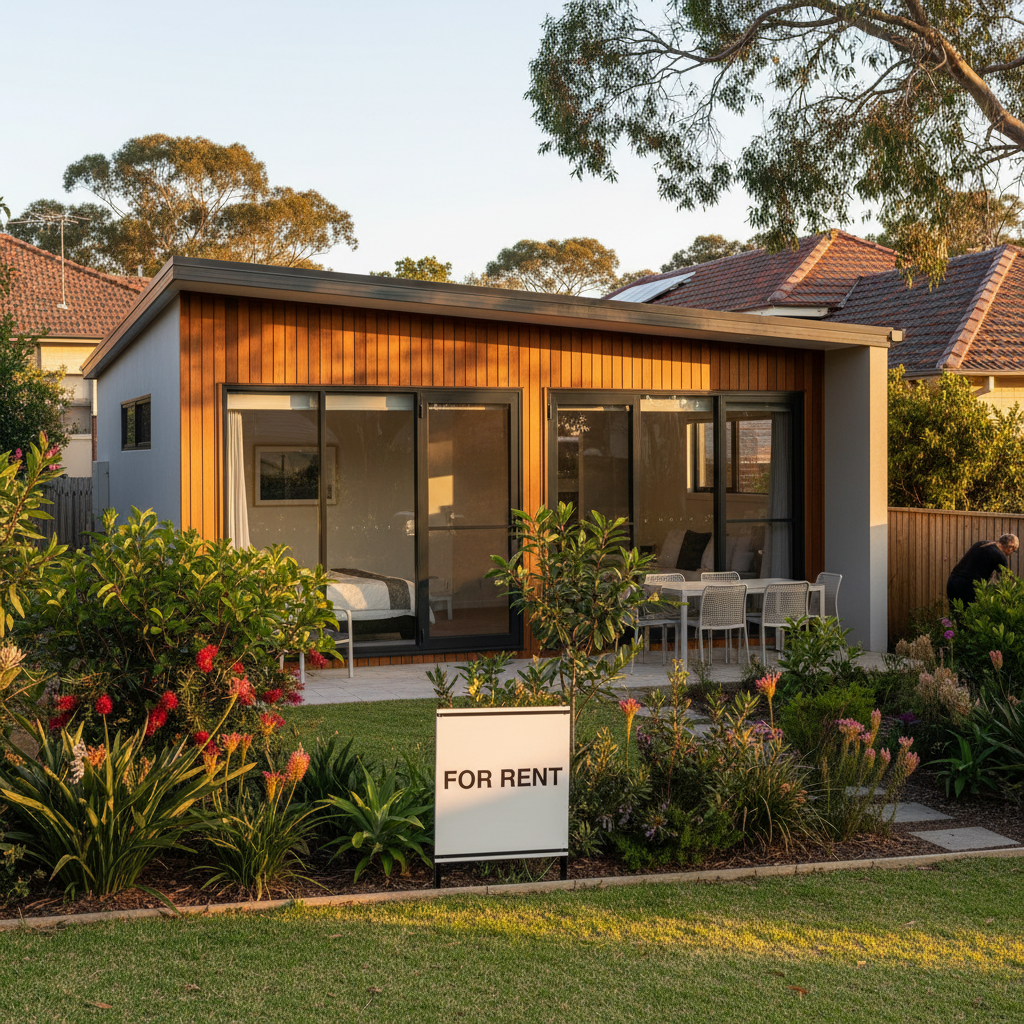
Australian Property Market Resilience: Why Are House Prices Still Rising in Most Suburbs Amid Interest Rate Concerns?
In the current global economic climate of uncertainty and persistently high interest rates, many might expect Australia's property market to face significant pressure. However, according to a market analysis released by realestate.com.au on April 10, 2026, the majority of suburbs across Australia, particularly in major cities like Sydney and Melbourne, have shown surprising resilience, even recording price increases against the odds. This phenomenon has sparked widespread interest: what underlying factors are supporting the performance of the Australian property market?
Market Anomaly Amidst an Interest Rate Hiking Cycle
Since May 2022, the Reserve Bank of Australia (RBA) has repeatedly raised the official cash rate in an effort to curb inflation. Traditional economic theory suggests that rising interest rates directly increase borrowing costs, thereby dampening housing demand and leading to a decline in property prices. However, the reality is more complex. Despite a significant increase in mortgage repayments and evident financial pressure on many Australian households, property prices in specific areas continue to climb.
realestate.com.au's report indicates that despite widespread concerns about further interest rate hikes, nearly 70% of suburbs in Sydney and Melbourne still saw property price growth over the past year. This suggests that micro-level supply and demand dynamics are playing a decisive role amidst macroeconomic headwinds.
Core Factors Supporting Australian Property Resilience
-
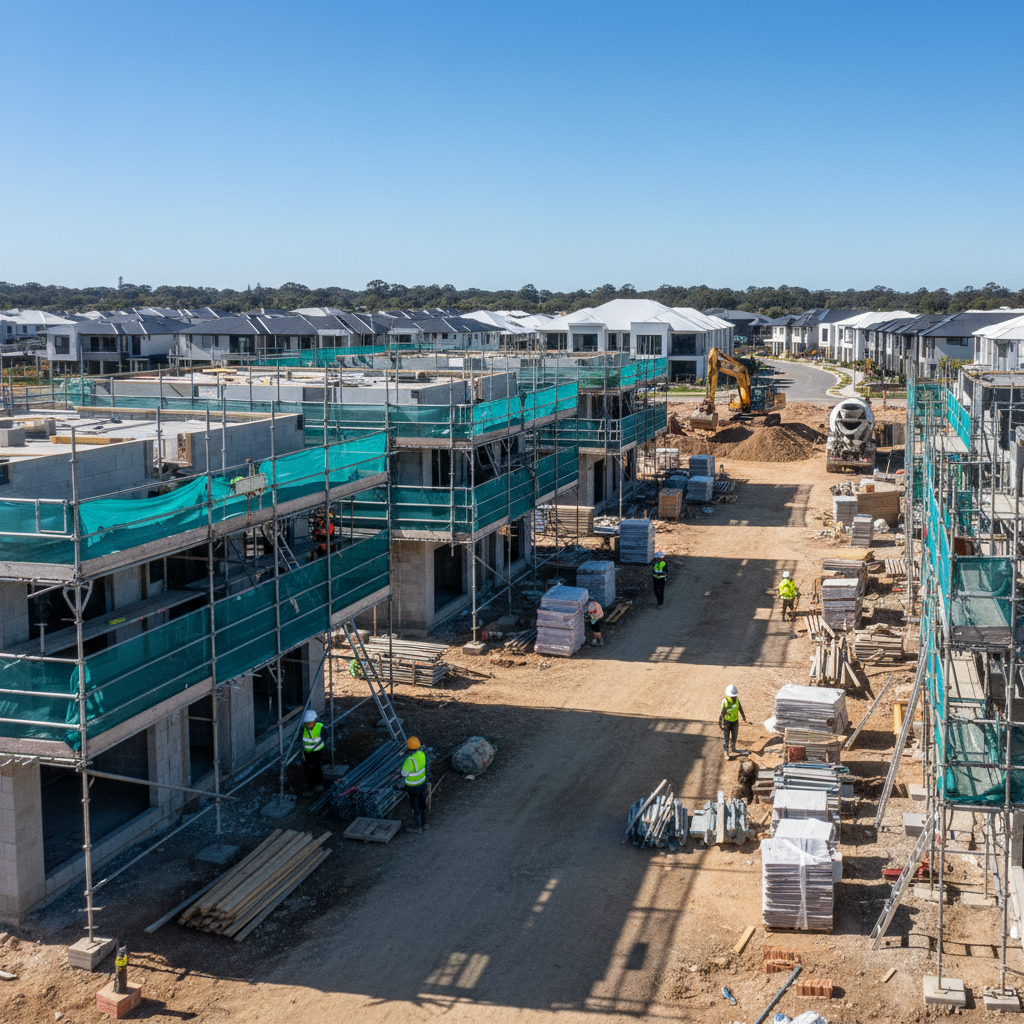
Severe Housing Supply Shortage: This is the most fundamental reason supporting the rise in Australian property prices, especially in Sydney and Melbourne. Australia, particularly its major cities, has long faced a shortage of housing supply. During the pandemic, soaring construction costs, labour shortages, and supply chain disruptions further exacerbated delays in new home construction. Although the government has introduced various policies to encourage housing construction, the lengthy period from approval to completion means that supply bottlenecks are unlikely to ease in the short term.
Supporting Data: Australian Bureau of Statistics (ABS) data shows that new dwelling commencements in recent years have consistently fallen short of the levels required by population growth. For example, national new dwelling commencements in 2023 were significantly below the projected demand of approximately 200,000 per year, leading to a growing accumulated supply deficit.
-
Strong Population Growth & Immigration Influx: Australia has experienced a significant return of international migration post-pandemic, with population growth exceeding expectations. The influx of new immigrants has generated immense demand in both the rental and owner-occupier markets. Sydney and Melbourne, as primary immigration destinations, have seen their housing demand further boosted.
Supporting Data: ABS reports indicate that Australia's population growth rate reached a historical high in 2023, with the majority of this growth attributed to net overseas migration. This rapid population expansion directly translates into strong demand for housing.
-
Robust Labour Market & Wage Growth: Despite rising interest rates, Australia's unemployment rate remains at historical lows, and wage growth momentum is strong. Stable employment and increasing incomes provide many households with the capacity to manage higher repayments and boost their confidence in the property market.
Supporting Data: Data from both the RBA and ABS shows that Australia's unemployment rate has consistently remained below 4%, and the Wage Price Index (WPI) continues to rise, providing a financial buffer for homebuyers.
-
"Wealth Effect" & Limited Selling Pressure: The sustained appreciation of Australian property over the past decade has accumulated substantial household wealth. Many existing homeowners possess considerable home equity, and even when faced with interest rate pressure, they typically have the ability to avoid forced sales through refinancing or drawing on savings. This results in a relatively limited number of properties for sale on the market, further supporting prices.
Historical Comparison: Compared to the early 1990s and the 2008 Global Financial Crisis, the labour market and household balance sheet conditions were different, making the market more susceptible to interest rate shocks. Currently, Australian households demonstrate greater financial resilience.
Impact Chain Analysis and Future Forecast
The current resilience of the property market is the result of multiple interacting factors. Strong population growth and structural supply shortages are the fundamental drivers of price increases, while stable employment and wage growth provide purchasing power for homebuyers. Although interest rates are a significant constraining factor, their impact is partially offset by these positive elements.
Future Forecasts:
- Scenario One: Stable or Slightly Decreasing Interest Rates: If the RBA maintains stable interest rates or begins small rate cuts over the next 12-18 months, market confidence will further strengthen, and property prices may continue to rise moderately, especially in premium suburbs with supply shortages.
- Scenario Two: Further Significant Interest Rate Hikes: If inflation cannot be effectively controlled and the RBA is forced to implement further substantial rate hikes, the market will face greater pressure. Some highly leveraged households may be forced to sell, leading to price corrections in certain areas, but a significant crash is unlikely due to the supply shortage.
- Scenario Three: Government Increases Housing Supply Efforts: If federal and state governments can effectively implement policies to significantly increase housing supply, it will help alleviate upward pressure on property prices in the long term. However, this typically takes several years to show results.
What Does This Mean for Australians?
For first-home buyers, the current Australian property market remains challenging, with high property prices and interest rates making homeownership difficult to achieve. For existing homeowners and investors, market resilience provides confidence, but high interest rates also mean higher holding costs. For investors looking to enter the market, choosing suburbs with strong population growth and limited supply may still be a relatively robust strategy.
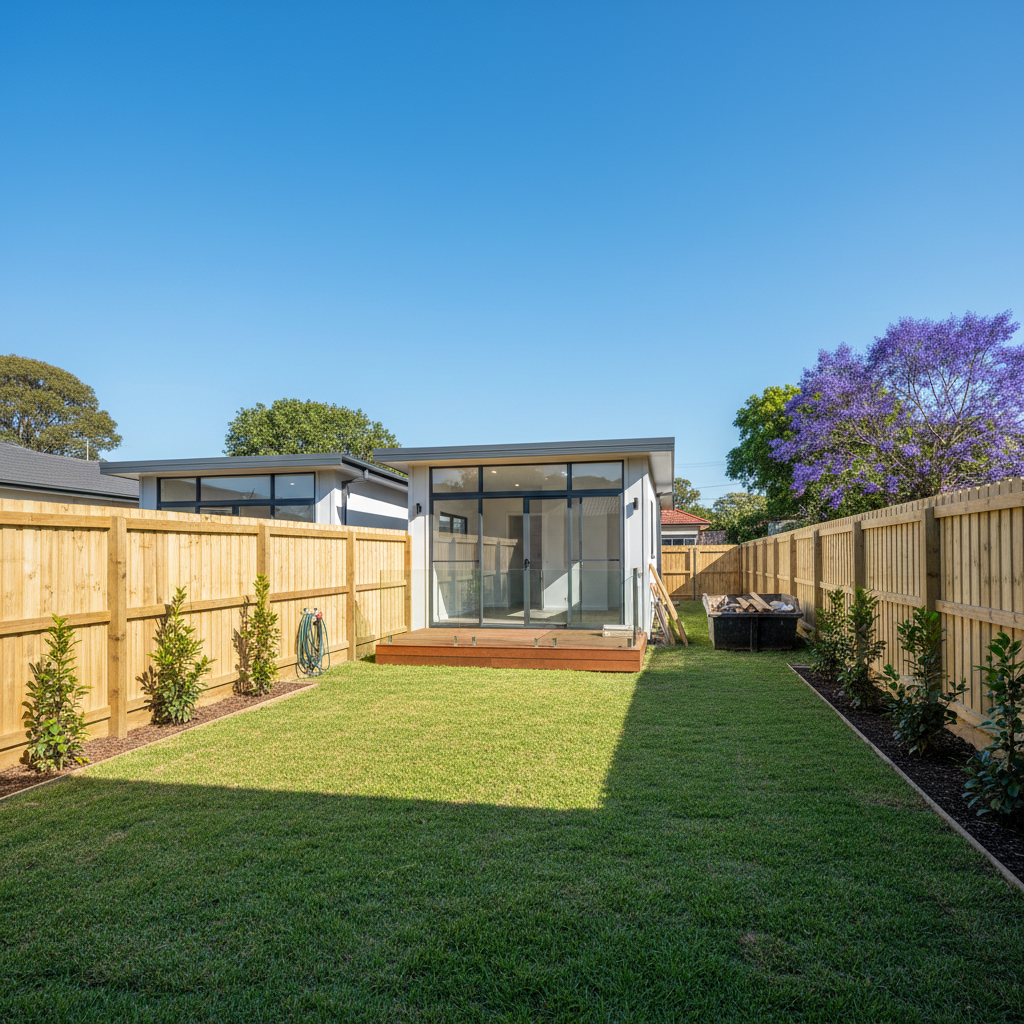
The resilience shown by the Sydney and Melbourne property markets under interest rate pressure highlights their unique structural support. In such a market environment, for individuals and businesses seeking efficient, fast, and cost-effective construction solutions, prefabricated construction is increasingly becoming an attractive option. For example, companies like EASOVA offer prefabricated homes and Granny Flat solutions that can effectively shorten construction periods and reduce on-site construction costs, providing a viable pathway to address housing supply challenges.
Related Articles

Solving the Difficulty of Local Australian Banks Lending for Prefab/Modular Homes: The Core Lies in Breaking the Security Gap
Solving the difficulty of local Australian banks lending for Prefab/Modular Homes revolves around bridging the **“Security Gap”**. Because the main cost of prefab homes occurs at the factory stage rather than on the land site, traditional banks often refuse to issue progress payments as they cannot conduct on-site inspections and asset mortgages before the modules are installed on the land.
13 Apr 2026
Sydney Prefab Backyard Homes Market Research Report V2.0
Based on authoritative sources such as ABS trade data, NCC building codes, and HIA industry surveys, this analysis comprehensively examines the pre-fabricated granny flat market on the cusp of explosion and its breakthrough paths from eight dimensions: supply-side (AUD $278.5 million import value from Chinese factory capacity), demand-side (262,000 housing shortfall), regulatory-side (WaterMark/CodeMark/NATA certification barriers), design blind spots (wind loads/7-star energy efficiency), and the practical constraints of backyard construction in Sydney.
7 Apr 2026
Iran Conflict's Shadow: Global Economy & Australian Households Face Challenges
On April 24, 2026, Under30CEO reported that the conflict in Iran could trigger global economic instability, driving up prices and slowing growth. This article delves into the impact of Middle Eastern geopolitics on global oil prices, inflation, and supply chains, and explores the potential repercussions for the Australian economy and ordinary households.
25 Apr 2026