Australian Construction Data: Why High Prices Don't Mean More Housing
Despite persistently high Australian property prices, the latest building activity data indicates sluggish growth in new housing supply. This article delves into the underlying reasons behind this paradox, analysing key factors such as labour shortages, rising material costs, and approval processes, as well as their impact on the Australian economy and residents' lives.
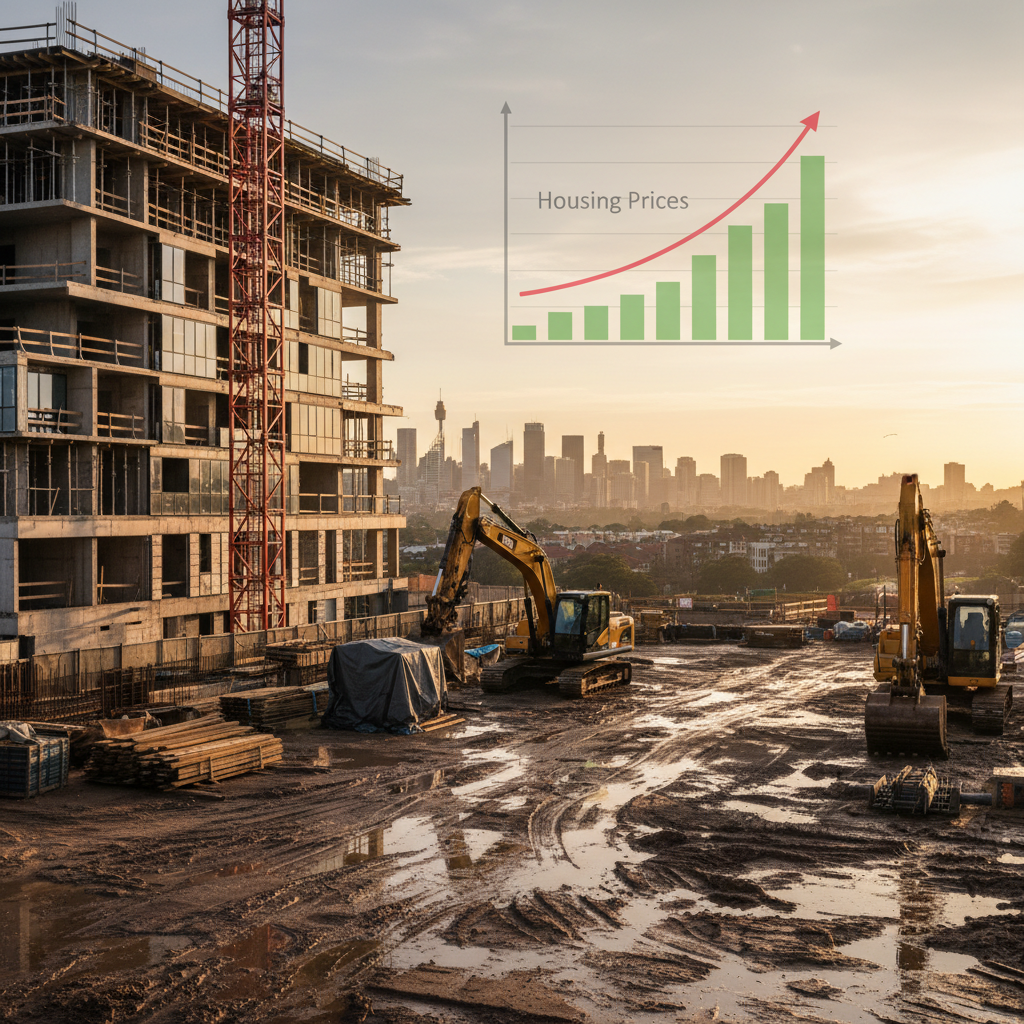
Australian Construction Activity Data Analysis: Why Haven't High House Prices Led to More Housing?
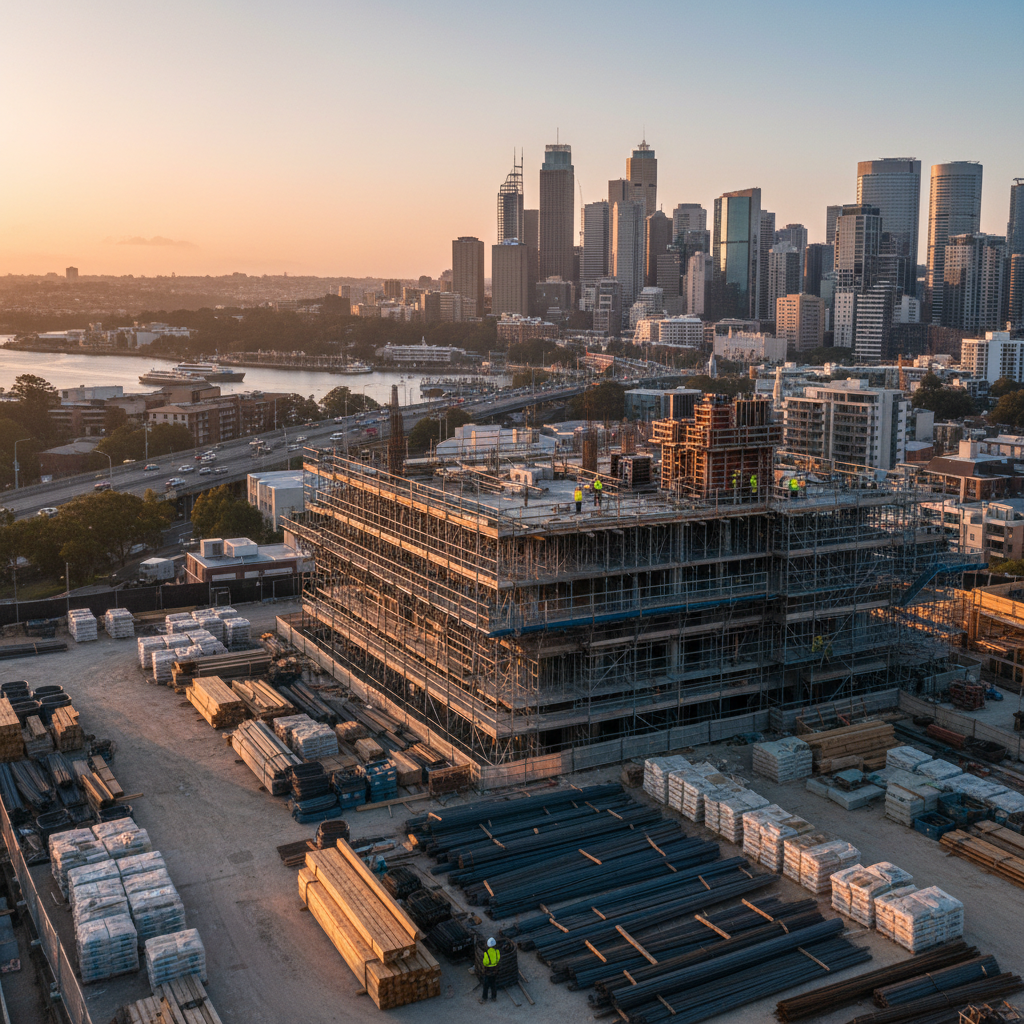
In recent years, Australia's property market has been under the spotlight, particularly in major cities like Sydney and Melbourne, where house prices have repeatedly hit new highs. Logically, soaring house prices should stimulate the construction industry to increase new housing supply to meet market demand and profit from it. However, the latest construction activity data indicates otherwise. According to a report released by Australian Property Update on April 16, 2026, despite strong demand for housing, construction activity has not accelerated accordingly, raising deep concerns about Australia's housing supply crisis.
The Paradox: High House Prices and Stagnant Construction Activity
Data from the Australian Bureau of Statistics (ABS) shows that despite continuous house price increases over the past few years, the number of new dwelling commencements and completions has not met expectations. For instance, in 2025, national new dwelling commencements grew by only 2.5%, well below the historical average and the level required for population growth. In some key regions, there was even a decline. This phenomenon seems to contradict traditional economic principles: when the price of a good rises, producers typically increase supply to achieve higher profits. So, what factors are hindering the development of Australia's construction industry?
In-depth Analysis: Key Factors Hindering Construction Activity
-
Labour Shortages and Soaring Costs
- In-depth Market Research: The construction industry has long faced a shortage of skilled tradespeople. According to a report by the Australian Institute of Architects, as of late 2025, there was a national shortage of approximately 100,000 construction workers, with carpenters, electricians, and plumbers being particularly scarce. The COVID-19 pandemic, which led to border closures and restricted international migration, exacerbated this issue. Even with borders reopened, recruiting skilled tradespeople remains extremely challenging.
- Impact Chain Analysis: Labour shortages directly drive up wage costs. For example, the average hourly wage for construction workers increased by over 15% in the past two years. This significantly raises developers' construction costs, squeezing profit margins and thus reducing the attractiveness of new projects.
-
Persistently High Material Costs
- Data Support: Global supply chain disruptions and fluctuations in international commodity prices have had a huge impact on Australia's construction materials market. Prices for key building materials such as steel, timber, and cement rose by an average of 20% to 30% between 2023 and 2025. For example, timber prices at their peak increased by over 40%.
- Historical Comparison: This differs from the situation after the 2008 Global Financial Crisis, when material price fluctuations were relatively minor. Current price increases are the result of multiple compounding factors, including geopolitical tensions, rising energy prices, and a resurgence in global demand.
- Impact Chain Analysis: Increased material costs are directly passed on to the total project cost, forcing many developers to postpone or cancel projects, especially in the lower-margin, mid-to-low-end housing market.
-
Lengthy and Complex Approval Processes
- In-depth Market Research: In major cities like Sydney and Melbourne, local government Development Application (DA) approval processes are protracted and uncertain. Approvals for a standard residential project can take anywhere from 6 months to 2 years, or even longer. This not only increases developers' time costs but also their financial costs (e.g., loan interest).
- Impact Chain Analysis: Lengthy approval cycles make it difficult for developers to respond quickly to market changes and increase project risk. Many smaller developers are deterred as a result, limiting the supply of new housing in the market.
-
Infrastructure Bottlenecks and Land Supply Constraints
- Data Support: As urban populations grow, existing infrastructure (such as roads, utilities, and public transport) faces immense pressure. New developments often require配套的基础设施升级 (associated infrastructure upgrades), the cost of which is typically borne by developers, further increasing costs. Furthermore, the supply of developable land, especially in urban centres, is increasingly scarce, driving up land prices.
Future Predictions and Impact on Australian Households
If current trends continue, Australia's housing supply shortage problem is likely to worsen in the coming years. We can foresee the following scenarios:
- Scenario One: House prices continue to rise, exacerbating the affordability crisis. Insufficient supply will further push up house prices and rents, making housing unaffordable for more households, especially in high-cost cities like Sydney.
- Scenario Two: Economic growth is constrained. Housing affordability issues will affect labour mobility and business recruitment, thereby dragging down overall economic growth.
- Scenario Three: Increased government intervention. Faced with a worsening housing crisis, federal and state governments may introduce stronger policies, such as streamlining approval processes, increasing infrastructure investment, and even direct involvement in housing construction.
What This Means for Australian Residents
For Australian households planning to buy a home, the market will continue to be challenging. The dual pressure of high interest rates and high house prices creates unprecedented difficulties for first-home buyers. For investors, while rental yields have improved, the high cost of purchasing property and uncertain market prospects also require careful consideration.
Resolving the housing supply issue requires multifaceted efforts, including policy-level reforms from the government, industry investment in technological innovation and efficiency improvements, and an effective replenishment of the international labour market. Only through such efforts can Australia's housing supply pressure be gradually alleviated, allowing more people to achieve their dream of secure housing.
EASOVA's Perspective
In the current market environment of high construction costs and uncertain project timelines, prefabricated construction is gaining increasing attention as an efficient and cost-controllable solution. EASOVA, an Australian prefabricated home company based in Sydney, effectively mitigates many uncertainties of on-site construction, such as weather impacts, labour shortages, and material waste, through factory-based production. This provides Australian households with a more economical and faster housing option. This modern construction method may contribute to solving Australia's housing supply challenges.
Related Articles

EASOVA's Mission: Making Granny Flats the First Breakthrough in Australia's Housing Revolution
EASOVA's mission is not just to build granny flats, but to use them as a starting point to propel Australian housing into the next generation of upgrades. We believe that granny flats are the most suitable real-world scenario for first introducing fifth-generation housing concepts and smart systems. They can not only increase space and rental income but also become a vehicle for residential technology, integrating high-performance construction, age-friendly design, intelligent operation and maintenance, and continuous upgrade capabilities. To truly achieve this goal, we must integrate four core capabilities: structural design, customer decision-making, AI software and hardware, and financial support, to create a complete product system that is approvable, deliverable, and sustainably evolving.
22 Apr 2026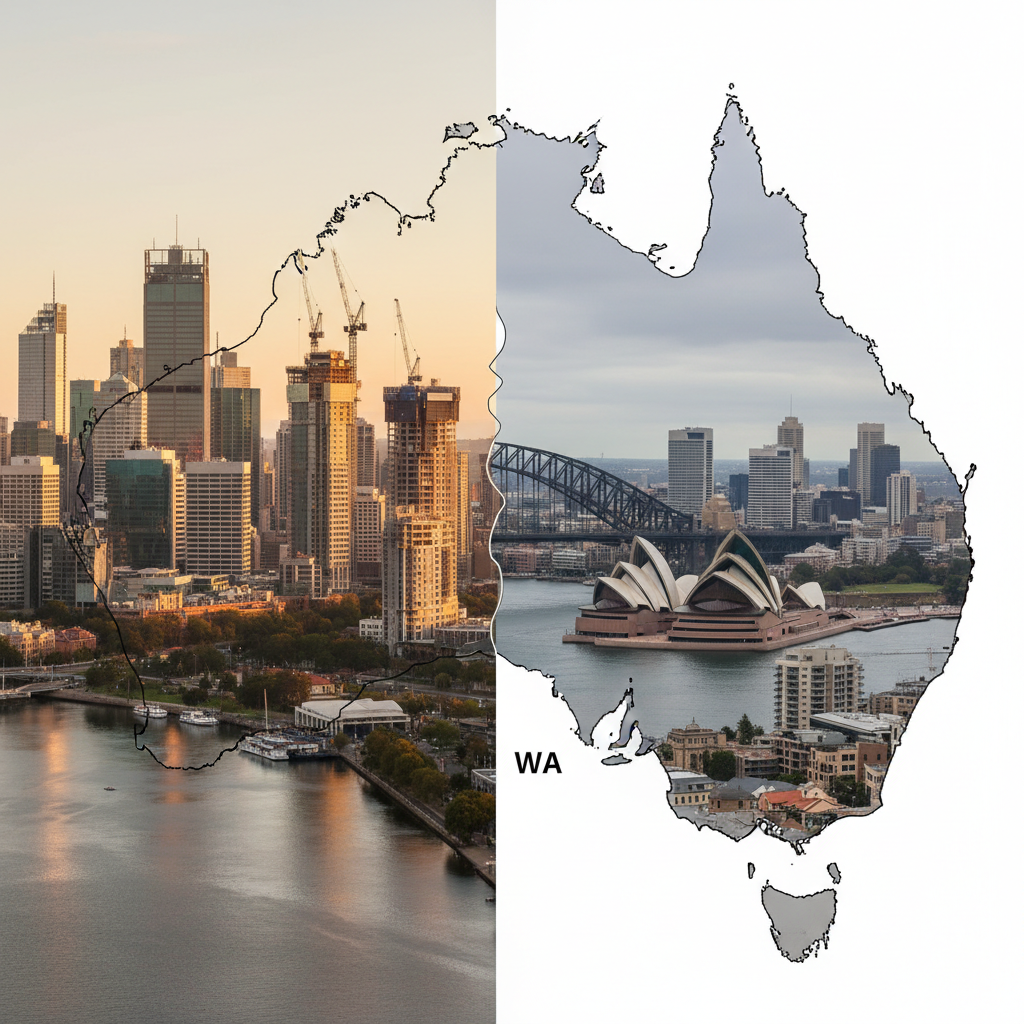
Australia's Two-Speed Property Market: WA Leads, Why Are Eastern States Lagging?
Recently, the Australian property market has shown a significant "two-speed" divergence, with Western Australia performing strongly while the eastern states face slowing growth. This article delves into the economic, demographic, and policy factors contributing to this phenomenon, and explores its profound implications for the national housing market and future trends.
30 Apr 2026
Australia's Failing Pension System: Elderly Renters' Housing Crisis
Australia's proud superannuation system is facing severe challenges, especially for elderly people who still need to rent after retirement. A new report indicates that the system is failing to adequately secure housing for elderly renters, pushing them to the brink of poverty.
29 Apr 2026