Australia Manufacturing Week: How Innovation Reshapes Local Manufacturing's Future
The 2026 Australian Made Week grandly opened in Brisbane, focusing on innovation and transformation within the local manufacturing sector. This article delves into the current state and challenges facing Australian manufacturing, how advanced technologies are driving its shift towards high-value, sustainable development, and explores the profound implications this may have for the Australian economy and construction industry.
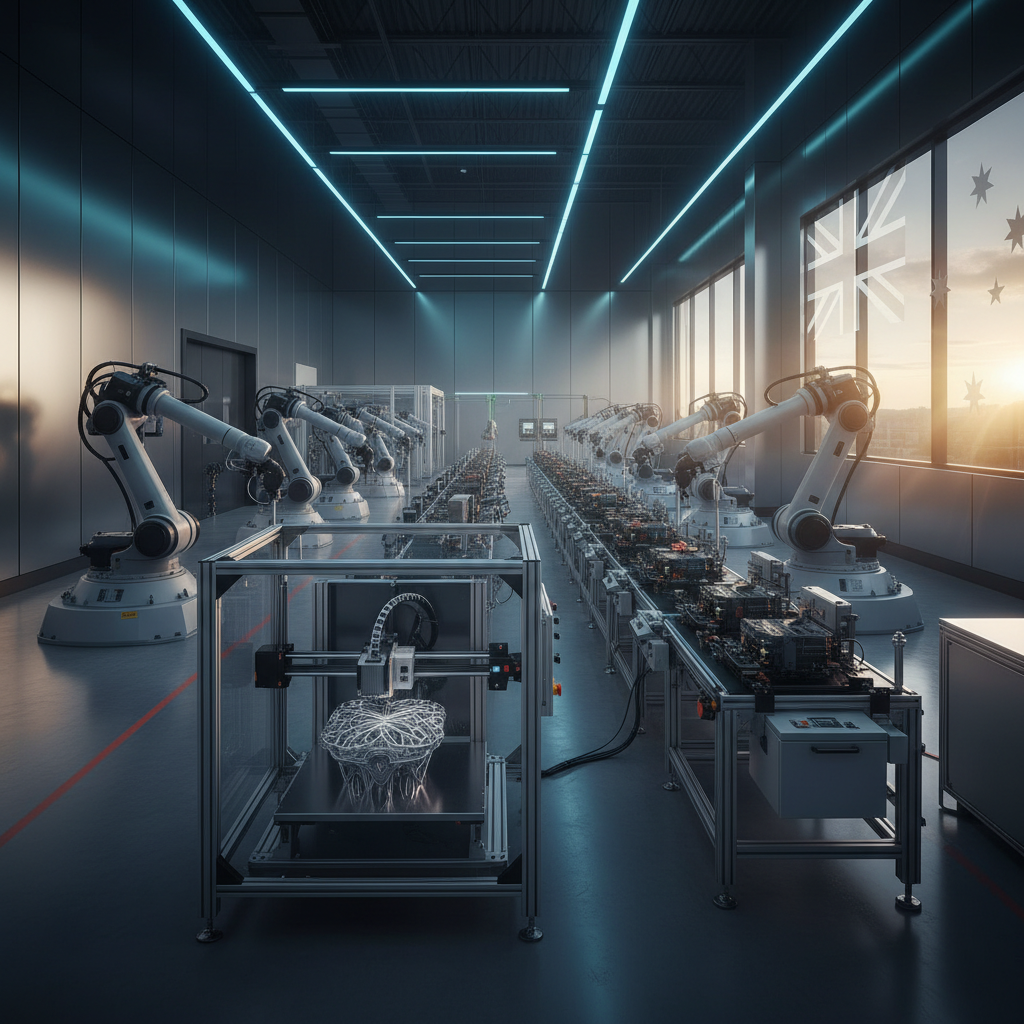
Australian Manufacturing Week: How Innovative Technology is Reshaping the Future of Local Manufacturing
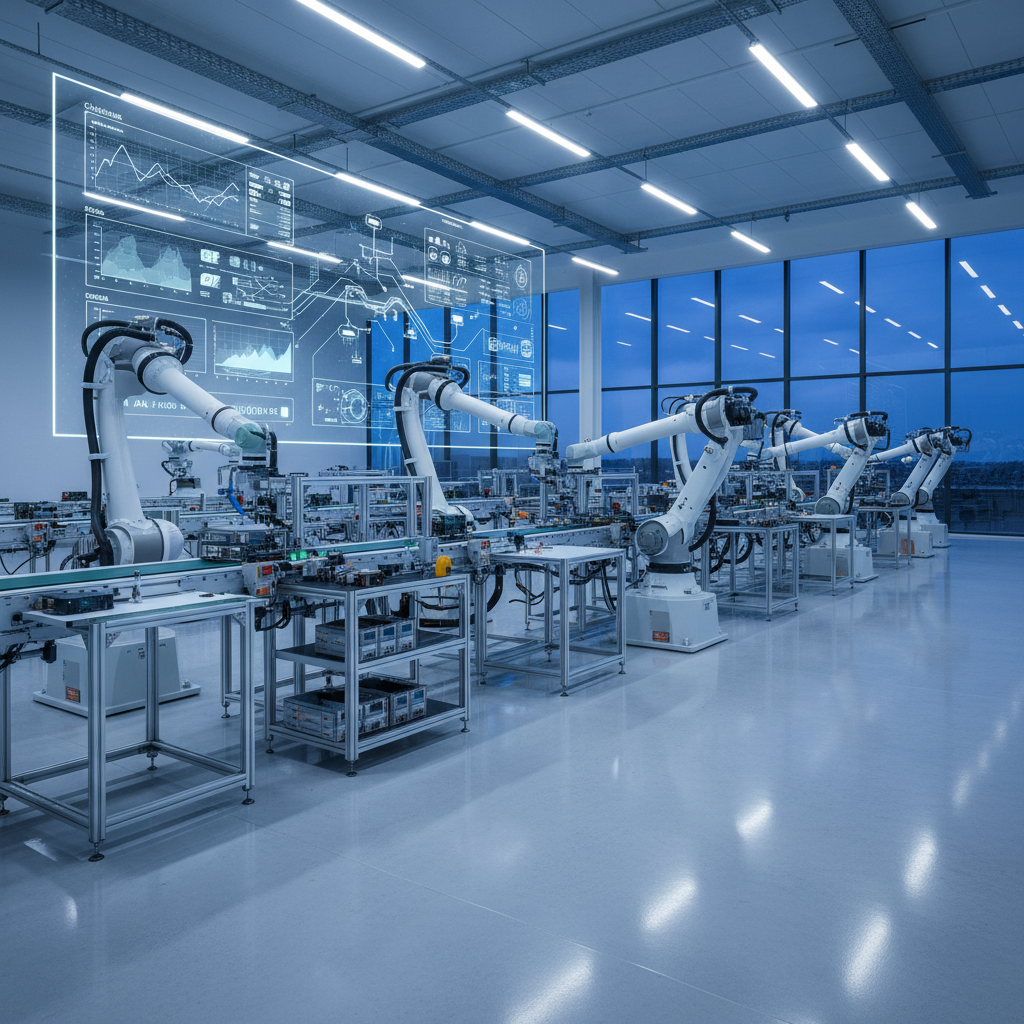
On May 11, 2026, the annual flagship event for Australian manufacturing, Australian Manufacturing Week (AMW), grandly opened at the Brisbane Convention & Exhibition Centre (BCEC). This three-day industry gathering brought together the elite of Australian manufacturing to showcase the latest technologies, innovations, and solutions, and collectively explore the future direction of local manufacturing. As reported by The Manila Times on May 11, 2026, the event will "showcase manufacturing innovations live, focusing on cutting-edge industry technologies."
The Current State and Transformation Opportunities for Australian Manufacturing
For a long time, the Australian economy has been renowned for its abundant natural resources and strong service sector, but manufacturing has remained relatively peripheral in the global supply chain. However, in recent years, global geopolitical uncertainties, challenges of supply chain disruptions, and an increasing emphasis on economic resilience have prompted the Australian government and businesses to re-evaluate the strategic value of local manufacturing. The Labor government's "National Reconstruction" plan and its vision for "manufacturing a future" both underscore the importance of revitalising manufacturing through technological innovation and high-value-added production.
Currently, Australian manufacturing is at a critical juncture of transformation. Traditionally, high labour costs and a small market size have been two major factors hindering its development. But with the widespread adoption of Industry 4.0 technologies such as Artificial Intelligence (AI), Internet of Things (IoT), robotic automation, additive manufacturing (3D printing), and advanced materials science, these challenges are being converted into opportunities. These technologies can not only improve production efficiency and reduce operating costs but also enable small-batch, customised production, better meeting local market demands and opening up niche export markets.
Innovative Technology: The Core Driver for Manufacturing Upgrade
Australian Manufacturing Week serves as a central platform for showcasing these innovative technologies. Exhibitors presented their latest achievements, ranging from smart factory solutions to advanced robotics, from precision machining equipment to sustainable materials. These technologies are crucial for enhancing the competitiveness of Australian manufacturing:
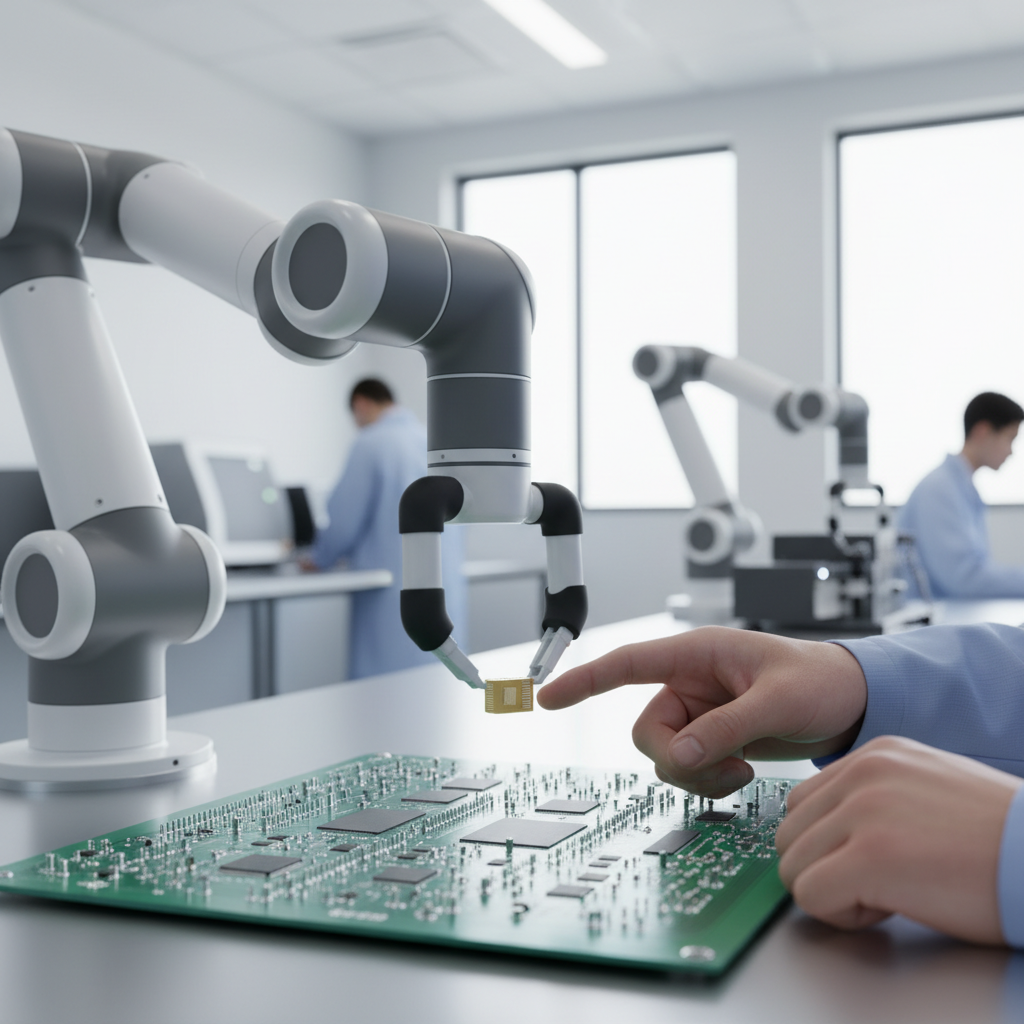
- Automation and Robotics: Robots are no longer merely performing repetitive tasks on production lines; they now possess learning capabilities and collaborative functions. For example, collaborative robots (cobots) can safely work alongside human employees, improving production flexibility and efficiency. According to the Australian Robotics Association, the rate of robot deployment in Australian manufacturing has grown by over 15% annually in the past five years.
- Additive Manufacturing (3D Printing): Especially in aerospace, medical devices, and customised building components, 3D printing technology is transforming design and production models, significantly shortening product development cycles and reducing material waste.
- Industrial Internet of Things (IIoT) and Data Analytics: Through sensors and network connectivity, factory equipment can transmit data in real-time, enabling predictive maintenance, optimising production processes, and improving energy efficiency. This allows manufacturers to make smarter, more timely decisions.
- Advanced Materials Science: From lightweight, high-strength alloys to renewable bioplastics, the application of new materials is driving improvements in product performance and reductions in environmental footprint.
Historical Comparison and Future Predictions
Looking back, Australian manufacturing experienced a wave of de-industrialisation in the late 1970s, with many traditional industries relocating offshore. Unlike then, the current transformation is not a simple industrial transfer but an upgrade towards high-tech, high-value-added, knowledge-intensive industries. This trend parallels Germany's "Industry 4.0" strategy and the United States' "reindustrialisation" policies, aiming to maintain national economic leadership through technological innovation.
In the coming years, we may see the following scenarios:
- Scenario One: Rise of High-Value Niche Markets. Australian manufacturing will focus on producing high-tech products, customised solutions, and specialised services, such as medical devices, defence industry components, and advanced agricultural machinery, occupying a unique position in the global supply chain.
- Scenario Two: Enhanced Supply Chain Resilience. More critical components and materials will be localised, reducing reliance on external supply chains and improving the economy's ability to withstand shocks.
- Scenario Three: Green Manufacturing Becomes Mainstream. With increasing global emphasis on sustainability, Australian manufacturing will increasingly adopt renewable energy, circular economy models, and low-carbon production technologies, becoming a benchmark for green manufacturing.
Impact on the Australian Economy and Construction Industry
The revitalisation of manufacturing has a multiplier effect on the entire Australian economy. It not only creates high-skilled job opportunities but also drives R&D investment, technological innovation, and export growth. For Australian households, a stronger local manufacturing sector means a more stable job market and a more resilient supply chain, which can, to some extent, mitigate price fluctuations.
Of particular note, the transformation and upgrade of manufacturing will have a profound impact on the Australian construction industry:
- Building Materials Innovation: Breakthroughs in advanced materials science will lead to more environmentally friendly, durable, and efficient building materials, such as high-performance concrete, smart glass, and modular prefabricated components. This will drive innovation in architectural design and construction methods.
- Prefabricated and Modular Construction: The application of automation and robotics in factory manufacturing environments will significantly enhance the production efficiency and quality of prefabricated building components. This means more construction projects can adopt a factory-prefabricated, on-site assembly model, shortening construction periods, reducing costs, and minimising on-site waste.
- Digital Construction: The digital transformation concepts from manufacturing will permeate the construction industry, with BIM (Building Information Modelling), Digital Twins, and AI-driven design optimisation becoming standard practice, improving project management efficiency and construction accuracy.
- Supply Chain Localisation: As local manufacturing capabilities improve, some building materials and equipment may be sourced domestically, reducing import dependence, lowering transport costs and carbon footprint, and enhancing supply chain reliability.
For companies like EASOVA, dedicated to promoting modern prefabricated building solutions, the innovation and development of Australian local manufacturing undoubtedly present significant advantages. Advances in factory automation, advanced materials, and digital production processes will directly empower us to provide higher quality, more cost-effective, and more sustainable prefabricated homes and granny flat solutions in Sydney. This not only enhances product competitiveness but also brings more innovative options to the Australian property market, helping to address housing affordability issues. By embracing these technological changes, the Australian construction industry is moving towards a smarter, more efficient future.
Related Articles
EASOVA's Mission: Making Granny Flats the First Breakthrough in Australia's Housing Revolution
EASOVA's mission is not just to build granny flats, but to use them as a starting point to propel Australian housing into the next generation of upgrades. We believe that granny flats are the most suitable real-world scenario for first introducing fifth-generation housing concepts and smart systems. They can not only increase space and rental income but also become a vehicle for residential technology, integrating high-performance construction, age-friendly design, intelligent operation and maintenance, and continuous upgrade capabilities. To truly achieve this goal, we must integrate four core capabilities: structural design, customer decision-making, AI software and hardware, and financial support, to create a complete product system that is approvable, deliverable, and sustainably evolving.
22 Apr 2026
Son of Iranian Official in Australia: International Politics & Australian Scrutiny
The life and work of a high-ranking Iranian political figure's son in Melbourne have sparked widespread discussions regarding international sanctions, national security, and Australia's immigration vetting mechanisms. This article delves into the geopolitical implications, legal challenges, and potential impacts on Australian society and its investment environment stemming from this incident.
12 May 2026
Australia's Middle Class Disappearing? Wealth Inheritance Reshaping Society
SBS reports reveal that over the past five years, the wealth of Australia's middle class has stagnated, while the assets of those inheriting wealth have soared, sparking profound discussions about social structure and economic fairness. This article delves into the causes, impacts, and future trajectory of this trend.
12 May 2026