Australia EV Sales Record in 2026: End of Gas Cars?
In 2026, Australian electric vehicle sales reached an all-time high, sparking widespread discussion about the future of traditional internal combustion engine vehicles. This article delves into the driving factors behind this trend, the evolving market landscape, and its long-term implications for the Australian economy and society.
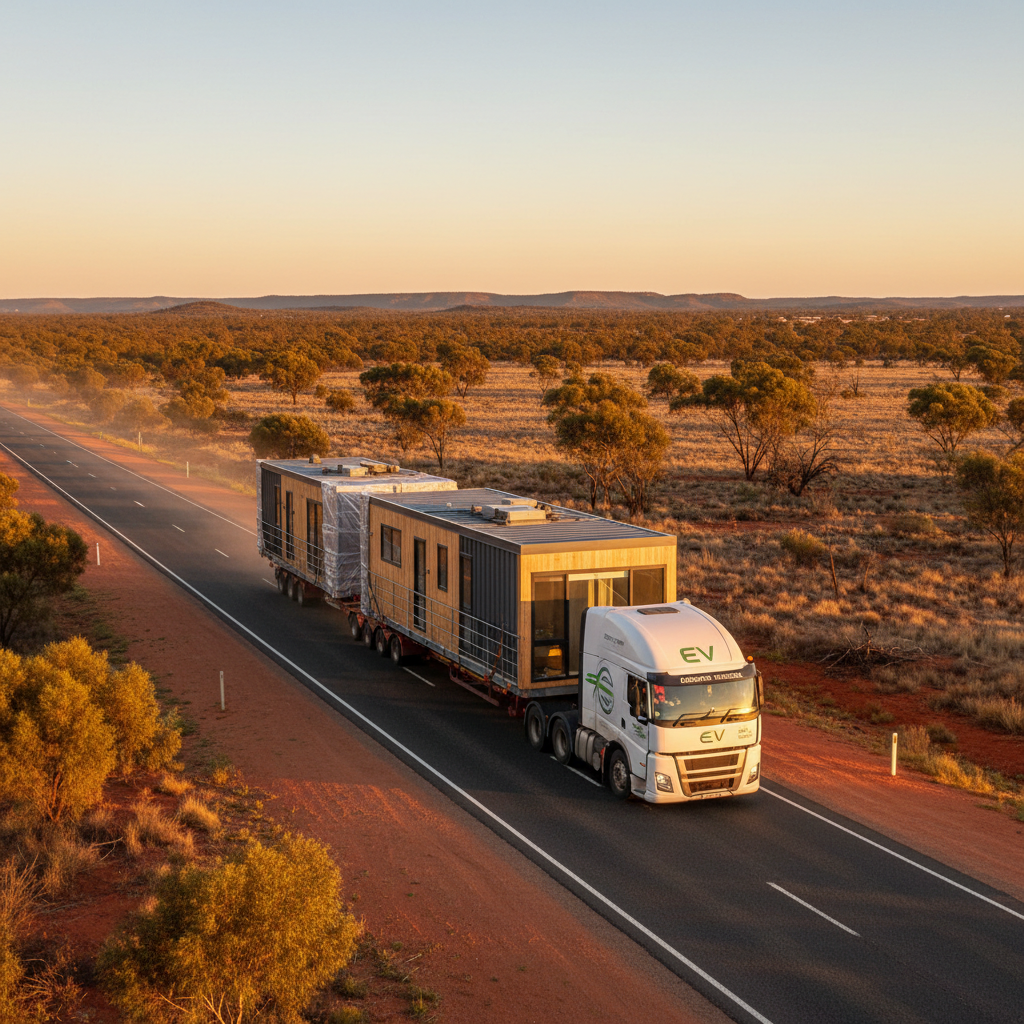
2026 Australian EV Sales Hit Record High: Is the End of the Internal Combustion Engine Era Nigh?
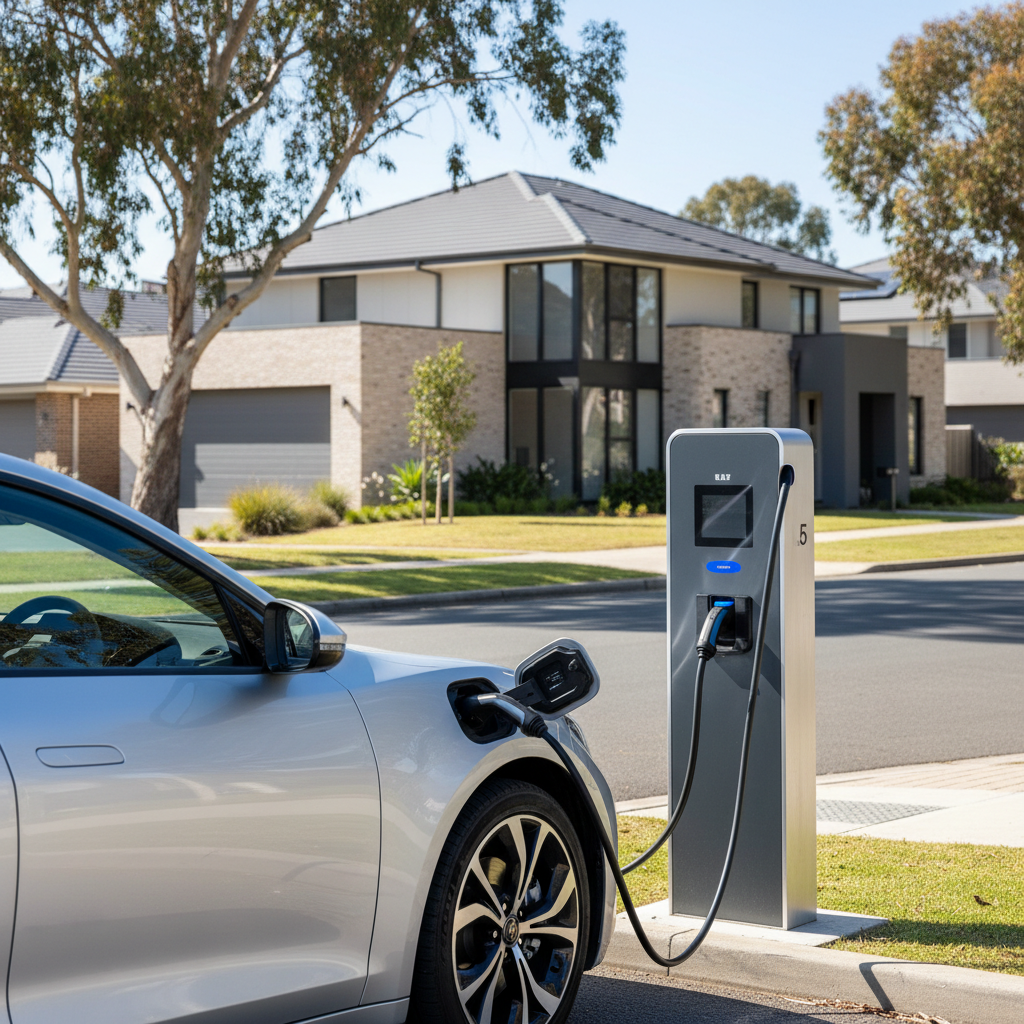
In 2026, the Australian automotive market reached a historic milestone. According to a WhichCar report on April 7, 2026, electric vehicle (EV) sales set a new record, surpassing the 200,000 annual unit mark for the first time, accounting for nearly 20% of total new car sales. This figure not only far exceeded market expectations but also sparked profound discussions among industry players and consumers about whether the era of traditional internal combustion engine (ICE) vehicles is drawing to a close.
Behind the Sales Surge: A Confluence of Multiple Factors
The explosive growth in EV sales is not accidental but rather the result of several contributing factors:
- Policy Drives and Incentive Measures: The Australian Federal Government and state governments introduced more proactive EV subsidy policies and tax incentives in 2025. For instance, the Federal Government's "Zero Emissions Vehicle Strategy" not only provided purchase subsidies but also significantly invested in charging infrastructure development. Some states also implemented EV stamp duty exemptions and registration fee concessions, substantially reducing the cost of vehicle ownership and use for consumers.
- Expanded Model Choice and Price Reductions: Over the past few years, major global automotive manufacturers have intensified their research, development, and launch of EV models. By 2026, there were over 80 EV brands and models available on the market, covering various segments from economical sedans to luxury SUVs. With advancements in battery technology and economies of scale, the average price of EVs decreased by approximately 15% compared to 2023, making them more affordable for middle-income households.
- Improved Charging Infrastructure: Charging anxiety has long been a key impediment to EV adoption. However, driven by combined government and private investment, the number of public charging stations in Australia reached three times that of 2023 by 2026, and the fast-charging network along highways has become increasingly comprehensive, effectively alleviating users' range anxiety.
- Rising Consumer Environmental Awareness and Fuel Cost Pressure: As climate change issues gain increasing attention, more Australian consumers are opting for more environmentally friendly modes of transport. Concurrently, persistent fluctuations in international oil prices have made the long-term running cost advantages of EVs even more pronounced. For example, geopolitical tensions in late 2025 to early 2026 caused oil prices to surge above USD 100 per barrel, further stimulating consumer shifts towards EVs.
Profound Changes in the Market Landscape
The surge in EV sales is reshaping Australia's automotive market. The market share of traditional ICE vehicles continues to shrink, with some automotive brands announcing plans to gradually cease selling ICE vehicles within the next 5-10 years. The used car market has also begun to diverge, with EVs gradually outperforming comparable ICE vehicles in terms of retained value.
This transformation is not limited to sales but extends across the entire automotive value chain. The automotive repair and maintenance industry needs to adapt to the technical characteristics of EVs, energy providers face the challenge of grid upgrades, and battery recycling and reuse are emerging as new industries.
Historical Comparison and Future Predictions
Looking back, the automotive industry's transformation is not unprecedented. The transition from horse-drawn carriages to ICE vehicles took decades. However, the rise of EVs has far exceeded expectations. In 2023, EVs accounted for only 7.2% of new car sales in Australia; by 2026, this figure was close to 20%, demonstrating astonishing growth momentum. If this trend continues, EV sales could surpass 50% by 2030, at which point ICE vehicles will truly enter a "sunset industry" phase.
Future Predictions:
- Optimistic Scenario (High Growth): If government policies continue to be supportive, battery technology and charging infrastructure see further breakthroughs, and EV prices continue to fall, EV sales could account for over 60% of the new car market by 2030. New ICE vehicle sales would face immense pressure, and some brands might exit the ICE market earlier.
- Neutral Scenario (Steady Growth): Under current policy and technological development speeds, EV sales could reach 40%-50% by 2030. ICE vehicles would still hold some market share, but their dominant position would be thoroughly shaken, with the market focus shifting towards electrification.
- Conservative Scenario (Slowed Growth): If global economic downturns, soaring raw material costs, or stagnation in charging infrastructure development occur, EV adoption might slow. By 2030, sales could remain around 30%. Even so, the dominance of ICE vehicles would still be eroded.
Impact on Australian Society and Economy
The widespread adoption of EVs will have a profound impact on Australia.
- Energy Structure Transformation: Promoting renewable energy development and reducing reliance on fossil fuels will help Australia achieve its carbon emission targets.
- Job Market: Traditional automotive manufacturing and maintenance industries face transformation, but new job opportunities will also emerge, such as in battery technology research and development, charging network operations, and EV maintenance.
- Urban Planning: The placement of urban charging stations and the installation of charging facilities in residential areas will become important considerations for urban planning.
- Property Market: As EVs become more prevalent, the demand for charging facilities in residential and commercial properties will increasingly grow. Properties with EV charging stations may become more desirable, especially for new residential and apartment developments, where pre-wiring for charging will become standard. For Australia's construction industry, this means new design standards and construction requirements.
Conclusion
The record-breaking performance of Australian EV sales in 2026 is undoubtedly a significant signal in the transformation of the automotive industry. While traditional ICE vehicles will not disappear entirely in the short term, their market share and dominant position are being rapidly eroded by EVs. We are in a new era of mobility driven by electrification, and the changes it brings will be comprehensive and profound.
For Australian residents, whether in choosing modes of transport or considering future properties, the rise of EVs will be an undeniable trend. For example, in major cities like Sydney, the construction of granny flats is also beginning to consider integrating solar power and EV charging stations to meet the growing demand for green mobility and enhance living experiences. EASOVA, as an innovator in the Australian granny flat sector, is also closely monitoring these market changes, committed to providing more environmentally friendly and smarter living solutions.
Related Articles

EASOVA's Mission: Making Granny Flats the First Breakthrough in Australia's Housing Revolution
EASOVA's mission is not just to build granny flats, but to use them as a starting point to propel Australian housing into the next generation of upgrades. We believe that granny flats are the most suitable real-world scenario for first introducing fifth-generation housing concepts and smart systems. They can not only increase space and rental income but also become a vehicle for residential technology, integrating high-performance construction, age-friendly design, intelligent operation and maintenance, and continuous upgrade capabilities. To truly achieve this goal, we must integrate four core capabilities: structural design, customer decision-making, AI software and hardware, and financial support, to create a complete product system that is approvable, deliverable, and sustainably evolving.
22 Apr 2026
Australian Billionaire's Urgent Warning: Housing Crisis Escalates, How Will Government Respond?
Australia's second-richest person has issued a dire warning, stating that Australia's housing crisis will worsen unless the government intervenes urgently. This article delves into the causes of the crisis, its potential impacts, and possible policy interventions.
30 Apr 2026
Australia's Two-Speed Property Market: WA Leads, Why Are Eastern States Lagging?
Recently, the Australian property market has shown a significant "two-speed" divergence, with Western Australia performing strongly while the eastern states face slowing growth. This article delves into the economic, demographic, and policy factors contributing to this phenomenon, and explores its profound implications for the national housing market and future trends.
30 Apr 2026