Aurora Over Australia: Science & Life Lessons Behind the Natural Spectacle
In May 2026, astronauts aboard the International Space Station captured a spectacular aurora display over Australia, sparking widespread interest in this natural wonder and its scientific principles. This article delves into the mechanisms of aurora formation, its impact on Earth, and how it inspires our thinking about nature and sustainable living.
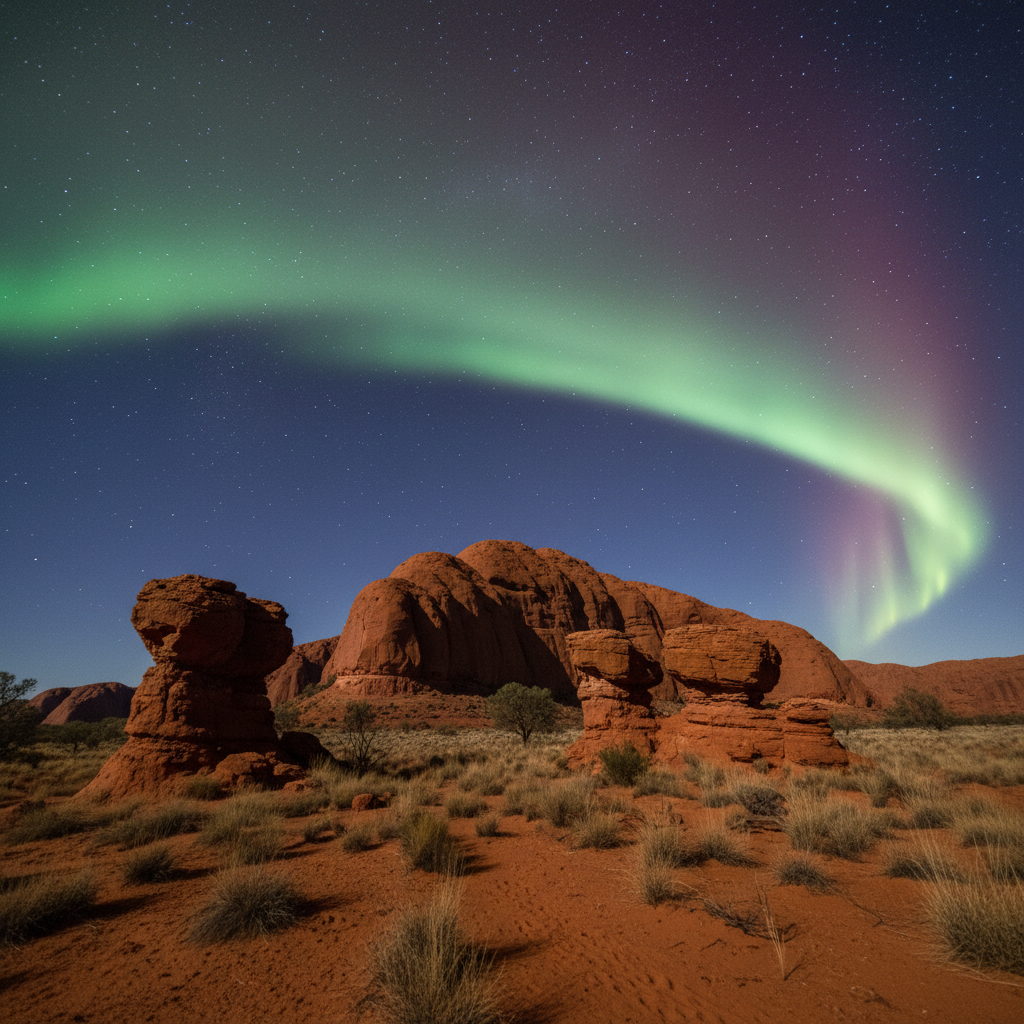
Aurora Lights Up Australian Night Sky: Science and Life Insights Behind the Natural Spectacle

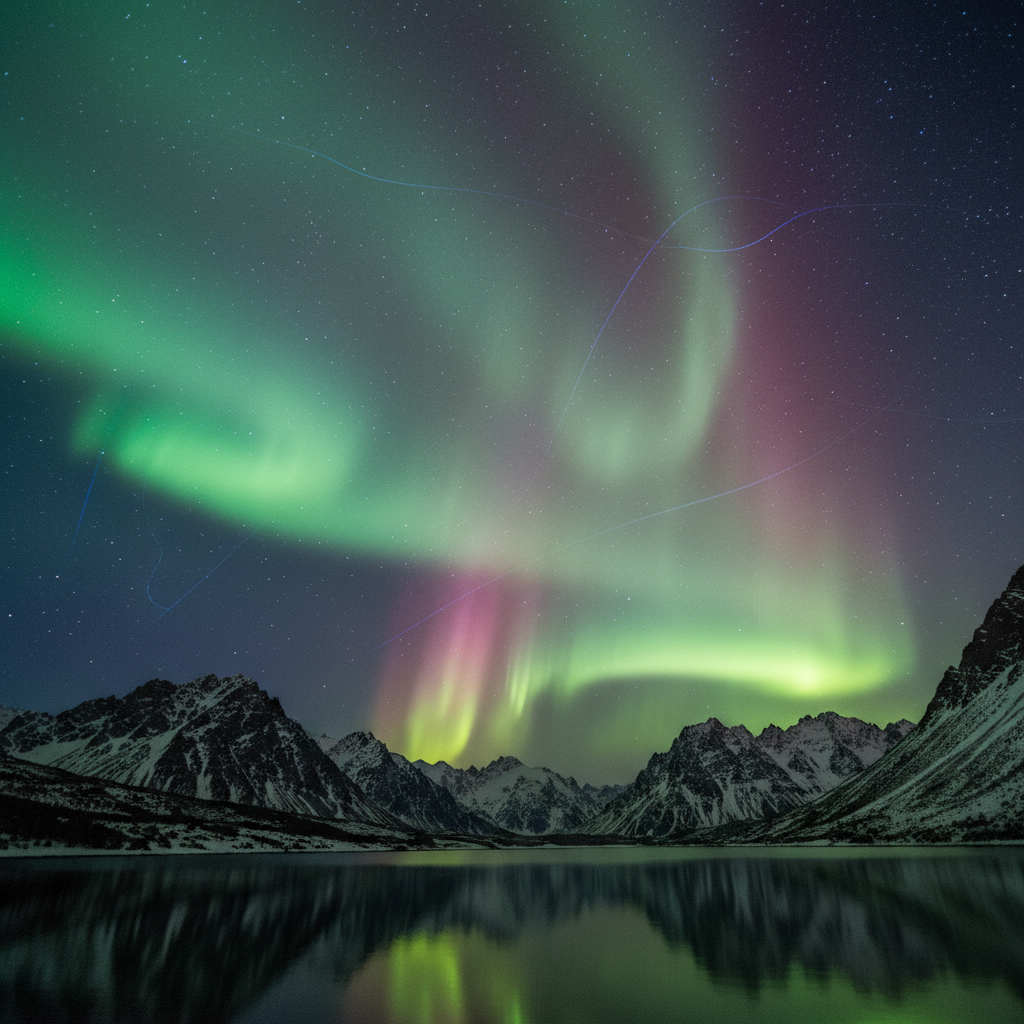
On May 15, 2026, a report from Space.com (published via MSN) once again drew global attention to the Southern Hemisphere's night sky. An astronaut aboard the International Space Station (ISS) successfully captured a stunning aurora display over Australia, with green and pink hues interweaving in a sight as breathtaking as a sci-fi movie. This magnificent natural phenomenon not only provides visual enjoyment but also sparks deeper reflections on the scientific principles behind auroras, their impact on Earth, and how we can coexist harmoniously with nature.
How Do Auroras Form? A Cosmic Dance Between the Sun and Earth
Auroras, also known as "Northern Lights" or "Southern Lights," are natural light displays in the Earth's magnetosphere or ionosphere. Their formation mechanism is an exquisite cosmic dance:
- Energy Release from Solar Storms: The source of auroras is the Sun. When intense activity occurs on the Sun's surface, such as solar flares or coronal mass ejections (CMEs), large quantities of charged particles (primarily electrons and protons) are ejected into space.
- Journey Through Interstellar Space: These charged particles travel towards Earth at extremely high speeds (hundreds of kilometres per second), forming what is known as "solar wind."
- Earth's Magnetic Field as a Guardian: Earth possesses a powerful magnetic field, acting like a giant shield protecting us. As the solar wind approaches Earth, most of the charged particles are deflected by this magnetic field.
- Attraction to the Magnetic Poles: However, near Earth's North and South magnetic poles, the magnetic field lines curve towards the Earth's surface. A portion of these charged particles follows these magnetic field lines into Earth's upper atmosphere.
- Collisions and Light Emission: When these high-speed particles collide with oxygen atoms and nitrogen molecules in the atmosphere, they transfer energy to them, exciting them. As these excited atoms and molecules return to their ground state, they release photons, creating the brilliant auroras visible to our eyes. Different gases and different altitudes produce different colours; for example, oxygen atoms produce red at higher altitudes and green at lower altitudes, while nitrogen molecules produce blue or purple.
The aurora observed over Australia is strong evidence of an active solar period. According to historical data, the solar activity cycle is approximately 11 years, and we are currently in the ascending phase of Solar Cycle 25, expected to peak around 2025. This means that in the coming years, various regions worldwide, including mid-to-low latitude areas in Australia, will have more opportunities to witness this spectacle.
The Science Behind Auroras: More Than Just Beautiful Lights
Auroras are not just beautiful natural phenomena; they also carry important scientific information and have profound impacts on Earth's ecology and human activities:
- Space Weather Research: The intensity and frequency of auroras are important indicators of space weather activity. Severe solar storms can lead to geomagnetic storms, which in turn can affect Earth's power systems, satellite communications, GPS navigation, and even aviation safety. For instance, the "Carrington Event" in 1859 caused global telegraph systems to fail.
- Atmospheric Research: Auroras provide scientists with a crucial window for studying the composition and dynamics of Earth's upper atmosphere. By analysing the aurora's spectrum, we can understand the content of different elements and temperature changes in the atmosphere.
- Climate Change Correlation: While auroras themselves do not directly cause climate change, variations in solar activity (such as increases or decreases in solar radiation) are considered one of the natural factors influencing Earth's climate. Studying auroras helps us more comprehensively understand the complex Earth climate system.
Historical Comparison and Future Predictions: What Do Frequent Auroras Portend?
Looking back at history, intense aurora events have often been closely linked to increased solar activity. For example, during several solar activity peaks in the late 19th and mid-20th centuries, exceptionally spectacular auroras were reported worldwide. The appearance of this aurora in Australia indicates that we are entering a period of relatively active solar activity.
Future Predictions:
- More Aurora Viewing Opportunities: As solar activity peaks around 2025, it is expected that in the next 1-2 years, mid-to-high latitude regions globally, and even relatively southern cities like Sydney, may once again observe auroras. This is undoubtedly good news for astronomy enthusiasts and the tourism industry.
- Increased Space Weather Risks: Accompanying frequent auroras is the risk of geomagnetic storms and enhanced solar radiation. This could pose challenges to modern society, which relies on satellite communication and power grids. Governments and relevant agencies need to strengthen space weather forecasting and protection measures.
- Golden Age for Scientific Research: Active solar activity provides scientists with valuable research opportunities, helping us gain a deeper understanding of the Sun-Earth system's interactions and improve the accuracy of space weather predictions.
Auroras and Australian Life: From Natural Spectacle to Sustainable Development
For residents of Australia, auroras are a rare natural gift. They remind us that even amidst the bustling urban life of Sydney, we should look up at the night sky and appreciate the vastness of the universe and the grandeur of nature. This reverence for natural wonders naturally extends to our thoughts on the environment and sustainable development.
In Australia, particularly in the housing and construction sectors, there is increasing attention to sustainability and energy efficiency. People are increasingly opting for living arrangements that harmonise with nature and reduce their environmental footprint. For example, prefabricated homes are gaining market favour due to their advantages: efficient factory construction, reduced on-site waste, and easy integration of energy-saving technologies (such as solar panels, high-efficiency insulation materials). This construction method not only effectively controls costs but also significantly shortens construction periods, offering Australian families more environmentally friendly and economical housing options.
Just as auroras remind us of the universe's grandeur and intricacy, our choices for living environments should also reflect respect for the Earth. Choosing sustainable construction solutions is not only for immediate comfort but also for future generations to continue enjoying the natural wonders of this land. EASOVA, an Australian company rooted in Sydney, understands this deeply and is committed to providing high-quality, eco-friendly, and efficient prefabricated housing solutions, helping more Australian families achieve their dream homes while growing together with this beautiful land.
References:
- Space.com on MSN, May 15, 2026: "Auroras over Australia look like sci-fi from space — Space photo of the day for May 15, 2026" (http://www.bing.com/news/apiclick.aspx?ref=FexRss&aid=&tid=6a07a046eb9e471981a0aca89b4745b8&url=https%3a%2f%2fwww.msn.com%2fen-gb%2fnews%2ftechandscience%2fauroras-over-australia-look-like-sci-fi-from-space-space-photo-of-the-day-for-may-15-2026%2far-AA23hGun&c=1879797359241884589&mkt=en-us)