ANZAC Day: Australia's Retail Hours and New Spending Trends
As Anzac Day 2026 approaches, news.com.au reports reveal significant disparities in store trading hours across Australian states. This article delves into the profound impact of this public holiday on the retail sector, consumer behaviour, and the Australian economy, while also exploring its underlying historical and cultural significance.
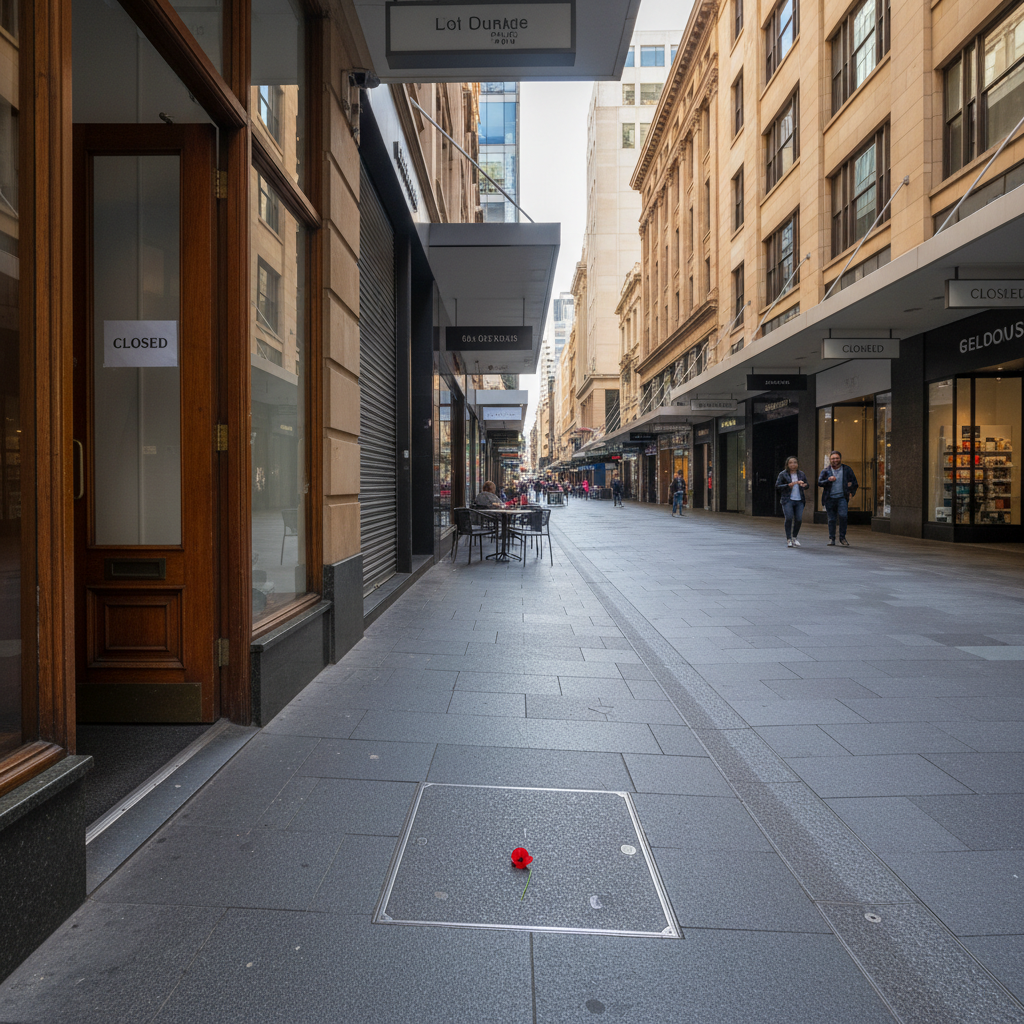
Anzac Day: Retail Opening Hours Vary Across Australia, Reflecting New Consumer Trends

Each year on April 25th, Australia and New Zealand observe a solemn and special public holiday – Anzac Day – commemorating the servicemen and women who sacrificed their lives in war. Beyond the memorial services, the operational patterns of the retail sector also become a focal point for public attention. According to a news.com.au report on April 22, 2026, this year's Anzac Day will see significant variations in shop opening hours across Australia, ranging from complete closure to delayed openings, with regulations differing by state. This not only reflects the variations in state legislation and cultural practices but also mirrors profound shifts in the Australian retail industry and consumer behaviour.
History and Regulations: Why Such Significant State Differences?
As a national day of remembrance, Anzac Day's unique nature dictates that retail operating rules differ from other public holidays. In many states, the morning is typically reserved for memorial services and parades, with shops required to close or delay opening as a sign of respect. However, the specific enforcement of regulations varies by state:
- New South Wales (NSW) and Victoria (VIC): Large retail stores are generally permitted to open after 1 PM, but small shops or specific sectors (e.g., hospitality, pharmacies) may not be subject to this restriction.
- Queensland (QLD): Regulations are stricter, with many large retailers required to close before 1 PM, and some areas even remaining closed all day.
- South Australia (SA) and Tasmania (TAS): Have similar restrictions, but there may be relaxations for tourist areas or specific product categories.
- Western Australia (WA) and Northern Territory (NT): Regulations are relatively flexible, with some areas potentially allowing earlier openings or full-day trading.
The root of these differences lies in the independent legislative powers held by each state under Australia's federal system. On holidays with deep historical and cultural significance like Anzac Day, state governments adopt different strategies to balance commercial interests with traditions of social remembrance. For example, some states are more inclined to protect small businesses and family-run operations, preventing large chain stores from dominating the market during the first half of the day.
Challenges and Opportunities for the Retail Sector
For retailers, Anzac Day trading hour restrictions present both challenges and opportunities.
Challenges:
- Revenue Loss: Especially for large shopping centres and department stores reliant on high foot traffic, mandatory morning closures mean hours of lost sales. According to the Australian Retailers Association (ARA), the overall impact of public holidays on the retail sector can amount to hundreds of millions of Australian dollars. Although consumer willingness to shop on Anzac Day is relatively lower due to its special nature, this loss remains significant.
- Operational Complexity: Retailers operating across multiple states must navigate different state regulations, increasing the complexity of rostering, logistics, and marketing.
- Staff Costs: Public holidays typically require higher staff wages (penalty rates), which further compresses profit margins.
Opportunities:
- E-commerce Growth: Physical store closures or restricted hours provide significant growth opportunities for e-commerce platforms. Consumers turn to online shopping, especially during morning hours, to meet immediate needs. This accelerates the Australian retail sector's transition to an omnichannel model.
- Local Consumption: Restricting large stores may encourage consumers to frequent smaller community shops, cafes, and restaurants more, supporting local economies.
- Tourism and Leisure: During Anzac Day, many families opt for short trips or leisure activities. Tourism-related retail (such as petrol stations, convenience stores, souvenir shops) may experience a sales peak.
Evolution of Consumer Habits and Future Predictions
Anzac Day retail restrictions have, to some extent, shaped Australian consumer shopping habits.
Changes in Consumer Habits:
- Advance Stocking Up: Many households complete major purchases the day before the holiday, especially if they plan family meals or barbecues.
- Reliance on Online Shopping: When physical stores are closed or inconvenient, consumers are more inclined to use e-commerce platforms, such as the online delivery services of major supermarkets like Woolworths and Coles.
- Growth in Leisure Spending: Consumers reallocate some of their shopping budget towards leisure and entertainment, such as dining out, going to the cinema, or visiting attractions, thereby boosting the service sector.
Future Predictions:
- Regulatory Flexibility: With economic development and changing consumer demands, state governments may fine-tune Anzac Day retail regulations in the future to strike a better balance between memorial traditions and commercial vitality. For example, more states might allow earlier afternoon openings or provide more exemptions for specific industries.
- Deepening Omnichannel Retail: Retailers will further invest in online platforms and logistics to ensure convenient shopping experiences even on public holidays. The Click & Collect model will become more widespread.
- Rise of Experiential Consumption: As consumers increasingly seek "experiences" over "goods," shopping centres may offer more non-retail entertainment activities during Anzac Day to attract foot traffic.
Indirect Impact on Australian Property and Construction Sectors
While Anzac Day retail regulations might seem unrelated to the property and construction sectors, there are some indirect links from a macroeconomic perspective.
Firstly, consumer confidence and spending are crucial indicators of economic health. If retail activity is overly restricted during public holidays, it could temporarily dampen consumer spending, subsequently affecting overall economic confidence. Consumer confidence and economic growth are key drivers of demand in the property market and investment in construction.
Secondly, labour costs. Public holiday penalty rates affect not only the retail sector but also construction sites. Although Anzac Day typically does not involve large-scale construction work, for urgent projects or those requiring continuous operations, high labour costs are a factor to consider. In the long term, rising labour costs can translate into increased construction costs, impacting the final selling price of homes.
Finally, logistics and supply chains. Changes in retail operating models, particularly the increased demand for e-commerce and logistics, will drive the development of industrial properties such such as warehouses and distribution centres. At the same time, if public holidays lead to transport or logistics restrictions, it could also temporarily affect the delivery of construction materials.
Conclusion
Anzac Day, as a significant day of remembrance in Australia, has special retail regulations that reflect not only the interplay of history and current realities but also the cultural and economic considerations of each state. For residents in Sydney and across Australia, understanding these regulations helps in better planning holiday activities. For retailers, adapting to and leveraging these changes is key to maintaining competitiveness. From a broader perspective, these seemingly minor regulations also reflect the deeper pulse of the Australian economy and society, subtly influencing various sectors, including property and construction. On this special day, we must both remember history and look to the future, understanding every subtle shift in the socio-economic landscape.
(This article is based on a news.com.au report from April 22, 2026)
Related Articles

EASOVA's Mission: Making Granny Flats the First Breakthrough in Australia's Housing Revolution
EASOVA's mission is not just to build granny flats, but to use them as a starting point to propel Australian housing into the next generation of upgrades. We believe that granny flats are the most suitable real-world scenario for first introducing fifth-generation housing concepts and smart systems. They can not only increase space and rental income but also become a vehicle for residential technology, integrating high-performance construction, age-friendly design, intelligent operation and maintenance, and continuous upgrade capabilities. To truly achieve this goal, we must integrate four core capabilities: structural design, customer decision-making, AI software and hardware, and financial support, to create a complete product system that is approvable, deliverable, and sustainably evolving.
22 Apr 2026
Australian Billionaire's Urgent Warning: Housing Crisis Escalates, How Will Government Respond?
Australia's second-richest person has issued a dire warning, stating that Australia's housing crisis will worsen unless the government intervenes urgently. This article delves into the causes of the crisis, its potential impacts, and possible policy interventions.
30 Apr 2026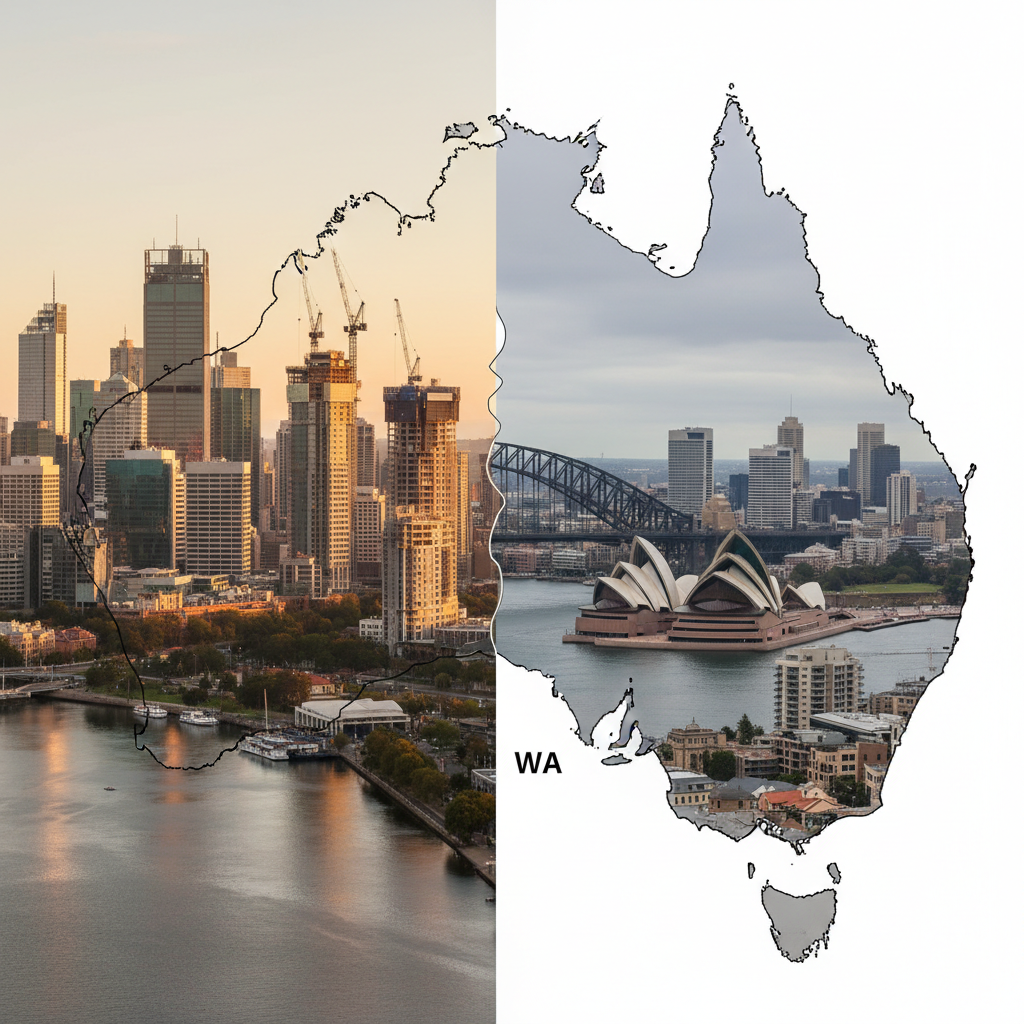
Australia's Two-Speed Property Market: WA Leads, Why Are Eastern States Lagging?
Recently, the Australian property market has shown a significant "two-speed" divergence, with Western Australia performing strongly while the eastern states face slowing growth. This article delves into the economic, demographic, and policy factors contributing to this phenomenon, and explores its profound implications for the national housing market and future trends.
30 Apr 2026