Alibaba Enters Prefab Market: Australia's Modular Building Opportunities & Challenges
Alibaba's high-profile entry into the prefabricated housing market has garnered global attention. This article provides an in-depth analysis of the impact of this event on Australia's modular construction industry, exploring the opportunities and challenges facing the Australian prefabricated housing market from the perspectives of supply chain, technological innovation, market competition, and consumer perception. It also offers forward-looking advice for homeowners and investors.
Alibaba Enters Prefabricated Housing Market: Opportunities and Challenges for Australian Modular Construction
News Headline: Global E-commerce Giant Eyes New Construction Frontier
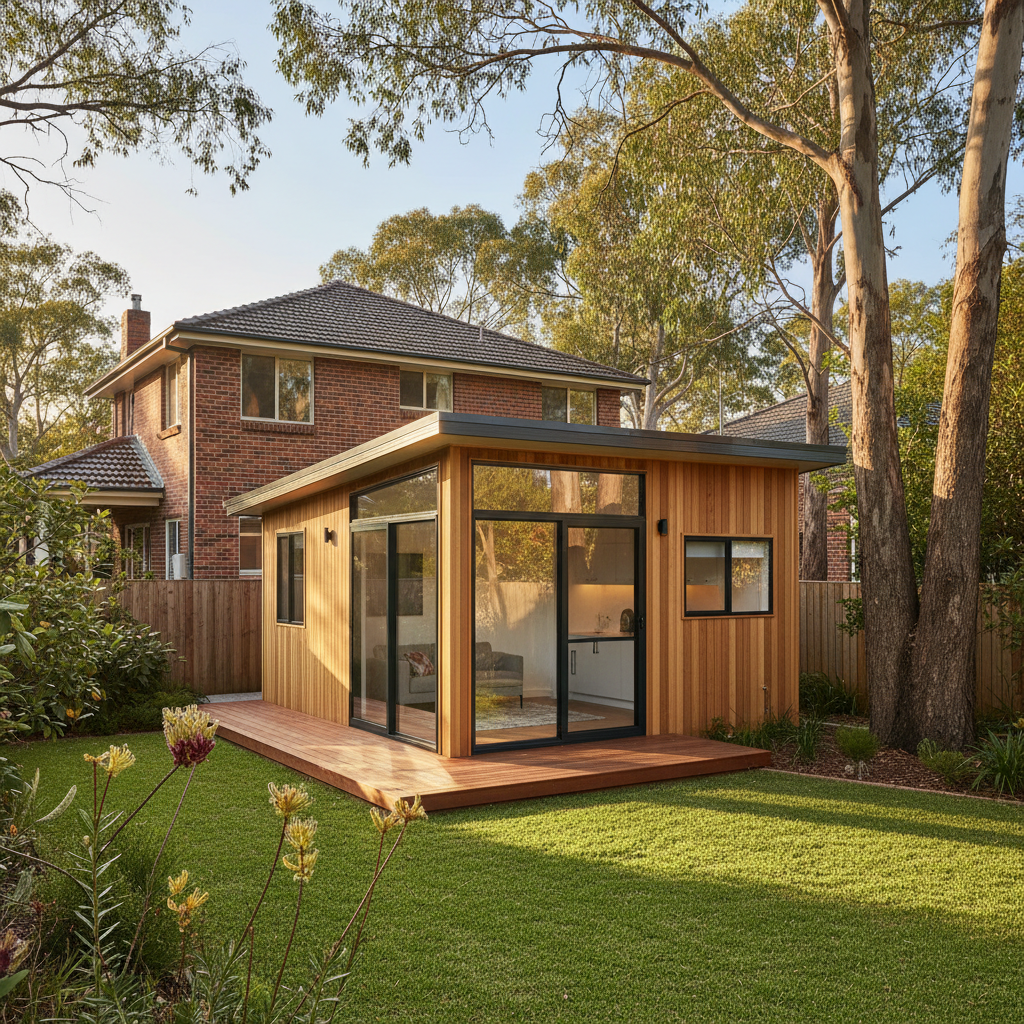
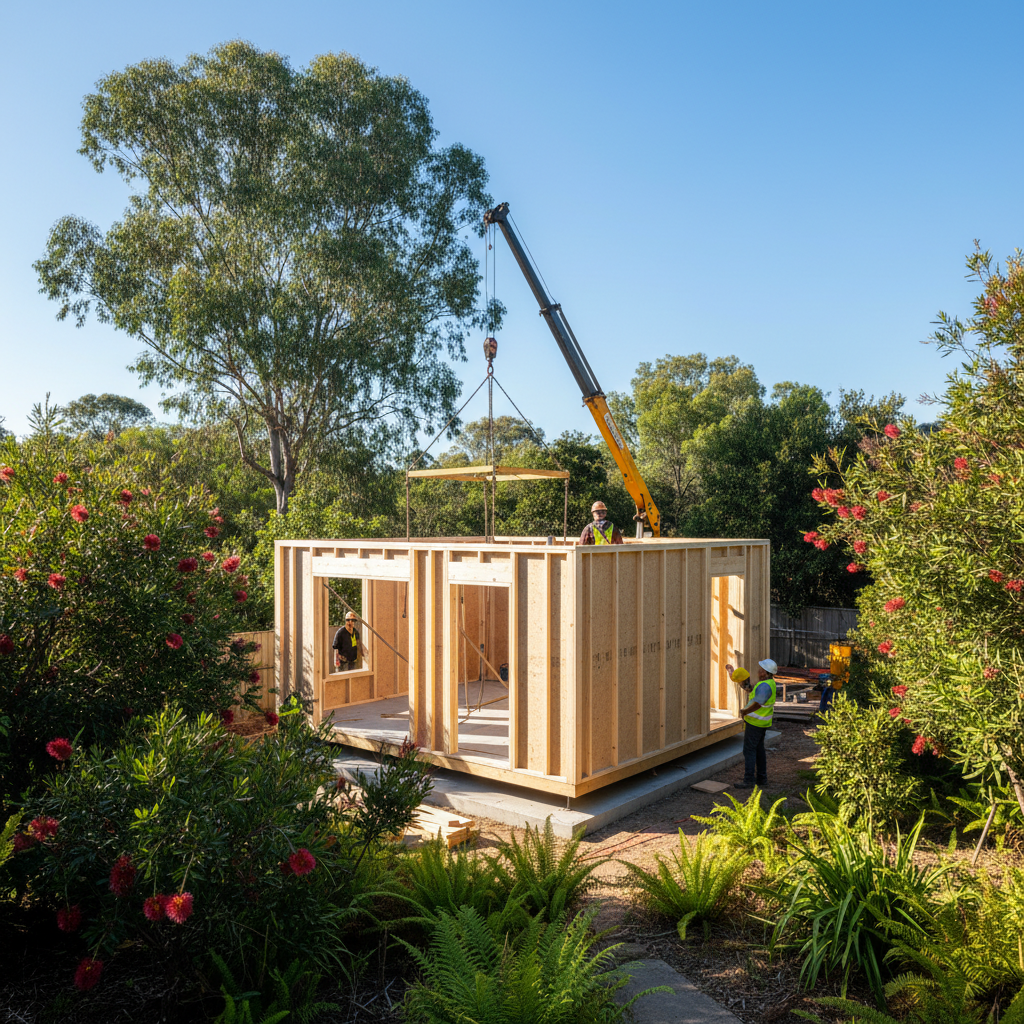
According to a Built Offsite report on April 2, 2026, global e-commerce giant Alibaba has announced its high-profile entry into the prefabricated housing market. The company plans to leverage its strong supply chain integration capabilities and digital platform to promote standardized, cost-effective modular housing products worldwide. This news has sent shockwaves through the traditional construction industry and sparked profound discussion and impact on the global modular construction market, particularly in Australia.
As a local enterprise deeply rooted in Australia's prefabricated housing sector, EASOVA is closely monitoring this trend. Alibaba's entry is not just an injection of capital but a global recognition of the potential of prefabricated construction. How will it reshape Australia's construction landscape?
Impact Chain Analysis: From Chinese E-commerce Giant to Australian Granny Flats
Alibaba's foray into the prefabricated housing market is not a distant concern; its impact will be transmitted to Australia's construction industry through multiple channels, especially affecting the prefab and granny flat markets.
-
Supply Chain and Cost Optimization: Alibaba's core strength lies in its powerful supply chain management and large-scale procurement capabilities. Once its prefabricated housing business expands globally, it will likely integrate building material suppliers worldwide, creating significant purchasing leverage. This will directly influence the prices of bulk building materials such as steel, timber, and cement, reducing production costs. For the Australian market, if Alibaba's supply chain can penetrate Australia, or if its model is emulated by other international giants, local Australian prefabricated housing companies will have the opportunity to secure more competitive material prices, thereby lowering overall construction costs. For homeowners in high-cost areas like Sydney, this means more economical granny flat options.
-
Technological and Standardization Innovation: As a tech giant, Alibaba's accumulated expertise in Industry 4.0, IoT, big data, and artificial intelligence is expected to be applied to the design, production, and installation processes of prefabricated homes. For example, AI-assisted design could optimize modular structures, IoT could enable highly automated production lines, and big data could predict market demand and optimize logistics. This technology-driven standardized production will significantly enhance the efficiency and quality of prefabricated homes. While Australia's modular construction industry is already more efficient than traditional construction, there is still room for improvement. Alibaba's model will prompt Australian companies to accelerate technological upgrades and adopt more advanced production processes to meet future competition.
-
Market Competition and Consumer Perception: Alibaba's brand influence is immense. Its entry into the prefabricated housing market will undoubtedly greatly enhance public awareness and acceptance of prefabricated construction. For a long time, prefabricated homes might have been associated with labels like "temporary" or "low quality" by some consumers. However, when a globally renowned brand enters this sector with a high-tech, high-efficiency approach, it will help overturn these stereotypes, allowing more Australian families to recognize the quality, speed, and cost advantages of prefabricated homes. Nevertheless, this also means increased market competition, requiring local businesses to continuously innovate and improve service quality to establish themselves in the new market landscape.
-
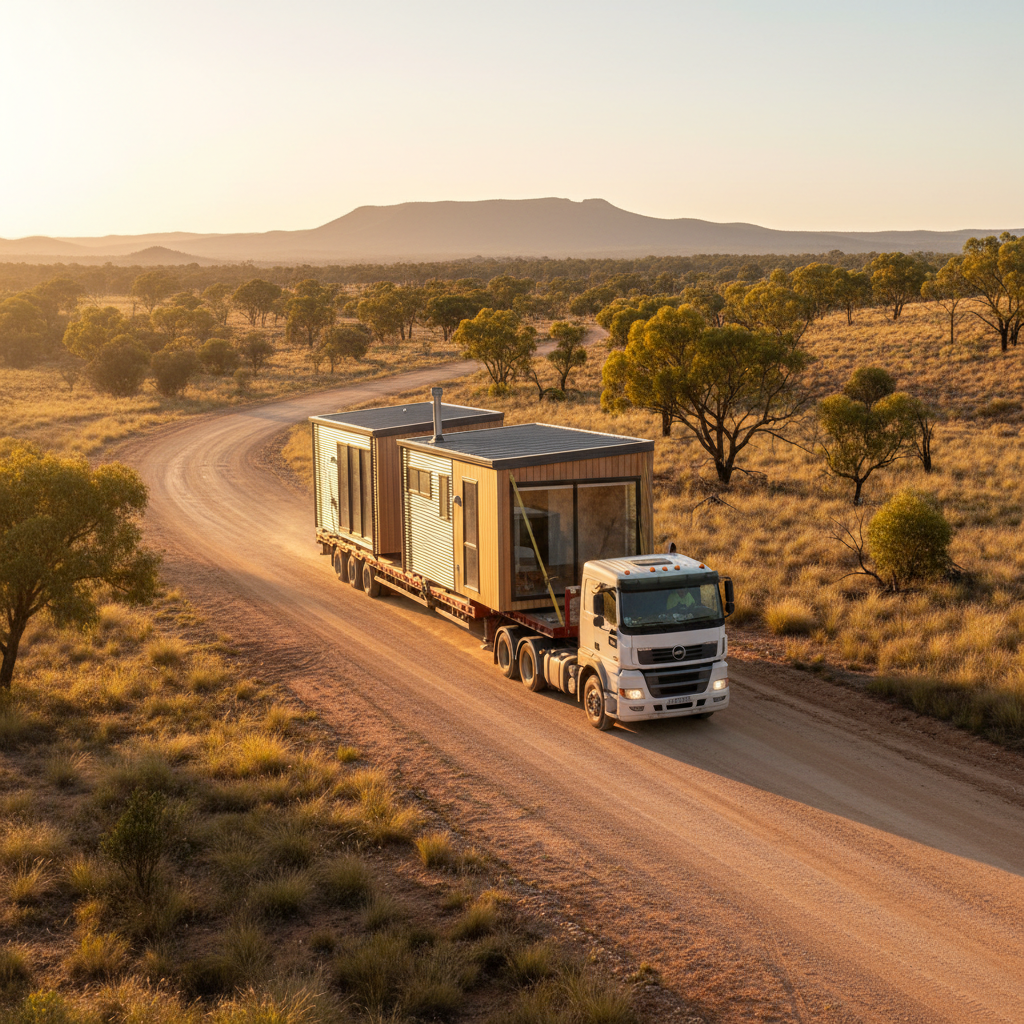
Logistics and Installation Model Innovation: Alibaba's experience in logistics will also be brought into the prefabricated housing industry. An efficient global logistics network and local distribution system will ensure that prefabricated modules are delivered to construction sites quickly and accurately. For a country like Australia, with its vast land area and higher logistics costs, optimizing the logistics chain is crucial. For example, EASOVA's 90% factory prefabrication model has already significantly reduced on-site construction time, and more efficient logistics solutions in the future will further boost overall delivery speed, fulfilling the promise of delivery within 3 months.
Historical Comparison: Globalisation's Impact on the Construction Industry
Looking back, the impact of globalisation and technological progress on Australia's construction industry is not unprecedented. After the 2008 Global Financial Crisis (GFC), Australia's construction industry experienced a brief downturn but quickly recovered driven by government stimulus and population growth. The GFC also prompted builders to focus more on cost control and efficiency. During the COVID-19 pandemic, global supply chain disruptions led to soaring building material prices; for instance, steel prices rose by 23% in 2021, and timber prices at one point doubled, causing Australian construction costs to skyrocket, with many projects delayed or even halted. These events profoundly illustrate the importance of supply chain stability and cost control for the construction industry.
Alibaba's entry into the prefabricated housing market can be seen as a new wave of globalisation and technological integration in the construction sector. In the past, we witnessed how "Made in China" products like home appliances and automobiles reshaped global markets. Now, this model may extend to the construction domain. Historical experience shows that only companies capable of adapting to change, embracing new technologies, and optimizing supply chains can thrive in competition. For the Australian prefabricated housing industry, this is both a challenge and an excellent opportunity for leapfrog development.
Data Support and Market Insights
Currently, Australia's construction costs remain persistently high. According to CoreLogic data, Australian construction costs increased by approximately 8.4% year-on-year in 2023, well above the inflation rate. The average residential construction cost in Sydney has exceeded AUD $3,000 per square meter. Concurrently, the median house price in Sydney has surpassed AUD $1.4 million, making traditional homeownership and extensions increasingly difficult. This directly fuels the demand for more economical and faster housing solutions, such as granny flats.
The Australian prefabricated housing market is experiencing rapid growth. According to an IBISWorld report, the modular building industry has achieved robust growth over the past five years and is expected to maintain its upward trend in the coming years, with the market size reaching billions of Australian dollars. However, compared to regions like Europe and North America, the market penetration rate of prefabricated homes in Australia still has room for improvement. Alibaba's entry is expected to accelerate this process, especially in enhancing large-scale production and reducing costs.
Future Projections: Three Possible Scenarios and Their Impacts
-
Scenario One: Increased Competition, Industry Upgrade. Alibaba's model may attract more international capital and technology into the Australian market, leading to intensified market competition. Local businesses will face greater pressure but will also be incentivized to innovate technologically, improve efficiency, and optimize services. This will accelerate the maturation of Australia's prefabricated housing industry, ultimately benefiting consumers who will gain access to more cost-effective, high-quality options.
-
Scenario Two: Supply Chain Integration, Cost Reduction. If Alibaba or its imitators successfully integrate global and regional supply chains, it will effectively reduce building material procurement costs. This will directly translate into lower selling prices for Australian prefabricated homes, making products like granny flats more price-competitive and further stimulating market demand. For homeowners, this means achieving home extensions or generating rental income with lower investment.
-
Scenario Three: Technology Integration, Smart Building Popularization. The digital and intelligent technologies brought by Alibaba will accelerate the development of Australian prefabricated homes towards smart homes. For example, integrating smart control systems, energy management systems, etc. This will enhance the added value and living experience of prefabricated homes, attracting a younger generation of consumers who seek a modern lifestyle.
Significance for Australian Homeowners and Investors
For Australian homeowners and investors, Alibaba's entry into the prefabricated housing market is a signal worth close attention:
- More Cost-Effective Housing Options: As market competition intensifies and technology advances, the cost-effectiveness of prefabricated homes will become even more pronounced. If you are considering building a granny flat in Sydney or surrounding areas for rental (generating substantial rental income, e.g., Sydney granny flats can fetch $400-$600 per week) or for personal use, there will be more high-quality and reasonably priced options available in the future.
- Increased Return on Investment (ROI): The rapid construction cycle of prefabricated homes (such as EASOVA's 3-month delivery) and fixed-price advantage mean a faster return on investment. If construction costs decrease due to supply chain optimization, the ROI for investing in granny flats will become even more attractive, especially in the current high-interest rate environment, by increasing rental income to offset mortgage pressure.
- Focus on Technology and Quality: When selecting a prefabricated home supplier, in addition to price, you should pay more attention to their technological strength, production processes, and product quality. Choose companies with advanced factory prefabrication technology, standardized processes, and a good reputation.
EASOVA's Advantages: Addressing Future Challenges
As an Australian-based prefabricated housing expert, EASOVA is committed to providing clients with efficient, high-quality, and cost-effective granny flat solutions. Facing the market transformation brought by Alibaba, our core advantages will become even more prominent:
- 90% Factory Prefabrication: Our high-percentage factory prefabrication model ensures stable product quality and efficient construction processes, effectively mitigating on-site weather delays and labor shortages.
- Fixed Price, Certain Costs: We offer transparent fixed-price contracts, giving clients clarity on their total investment and avoiding common budget overrun risks associated with traditional construction.
- Fast Delivery: Our industry-leading 3-month delivery cycle ensures your investment yields returns faster, whether for rental or personal use.
- Local Expertise: Deep understanding of Australian building regulations, climate characteristics, and consumer needs ensures our products perfectly fit the local market.
Alibaba's entry signals a new stage of development for the prefabricated construction industry. EASOVA will continue to uphold the spirit of innovation, constantly improving products and services, to provide Australian families with better, smarter, and more economical living solutions, allowing the concept that "clothing, food, housing, and transportation are all related to construction" to flourish anew in the modular construction sector.
Related Articles
EASOVA's Mission: Making Granny Flats the First Breakthrough in Australia's Housing Revolution
EASOVA's mission is not just to build granny flats, but to use them as a starting point to propel Australian housing into the next generation of upgrades. We believe that granny flats are the most suitable real-world scenario for first introducing fifth-generation housing concepts and smart systems. They can not only increase space and rental income but also become a vehicle for residential technology, integrating high-performance construction, age-friendly design, intelligent operation and maintenance, and continuous upgrade capabilities. To truly achieve this goal, we must integrate four core capabilities: structural design, customer decision-making, AI software and hardware, and financial support, to create a complete product system that is approvable, deliverable, and sustainably evolving.
22 Apr 2026
Australian Billionaire's Urgent Warning: Housing Crisis Escalates, How Will Government Respond?
Australia's second-richest person has issued a dire warning, stating that Australia's housing crisis will worsen unless the government intervenes urgently. This article delves into the causes of the crisis, its potential impacts, and possible policy interventions.
30 Apr 2026
Australia's Two-Speed Property Market: WA Leads, Why Are Eastern States Lagging?
Recently, the Australian property market has shown a significant "two-speed" divergence, with Western Australia performing strongly while the eastern states face slowing growth. This article delves into the economic, demographic, and policy factors contributing to this phenomenon, and explores its profound implications for the national housing market and future trends.
30 Apr 2026